





>>
Tractor units
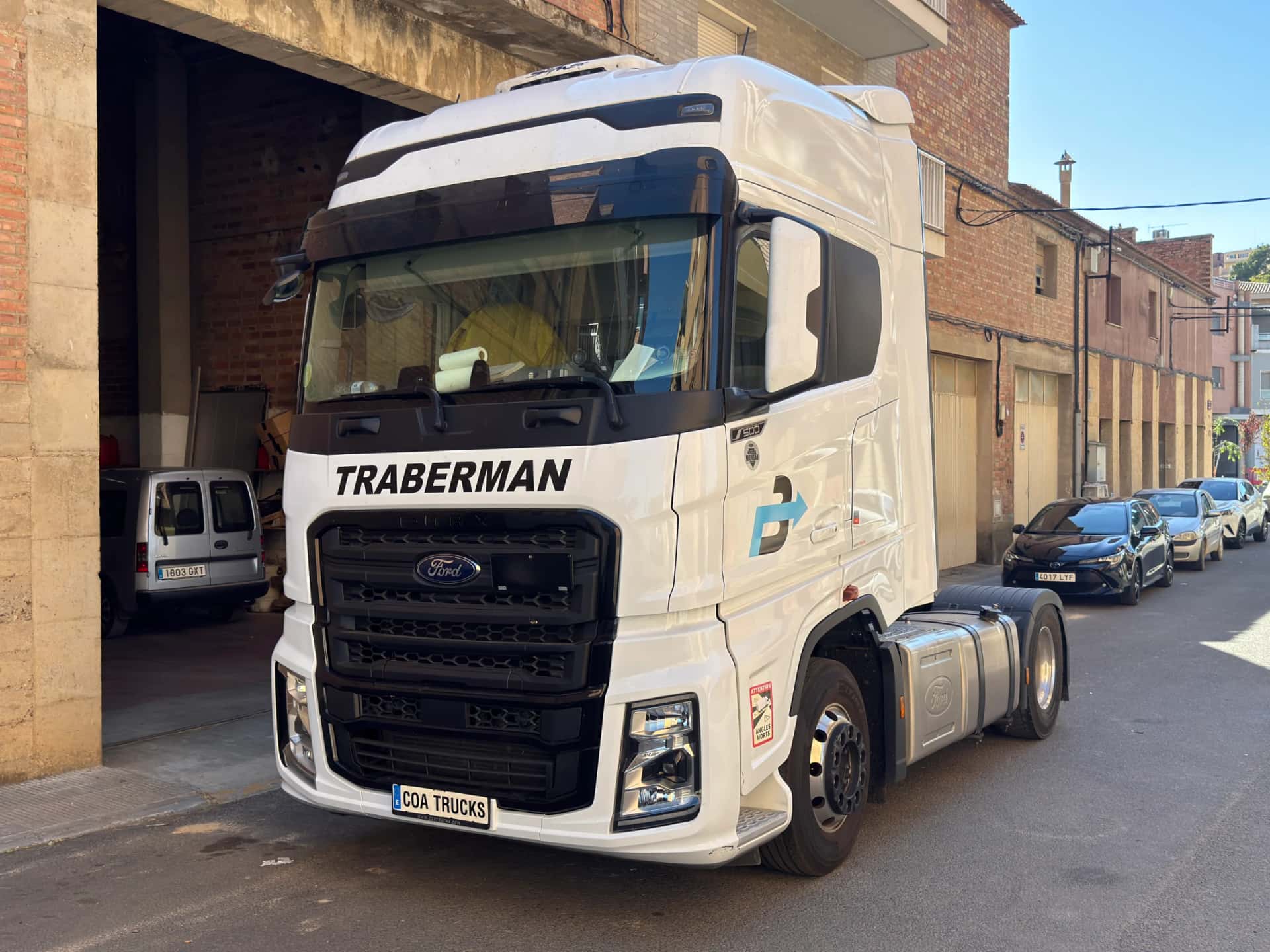
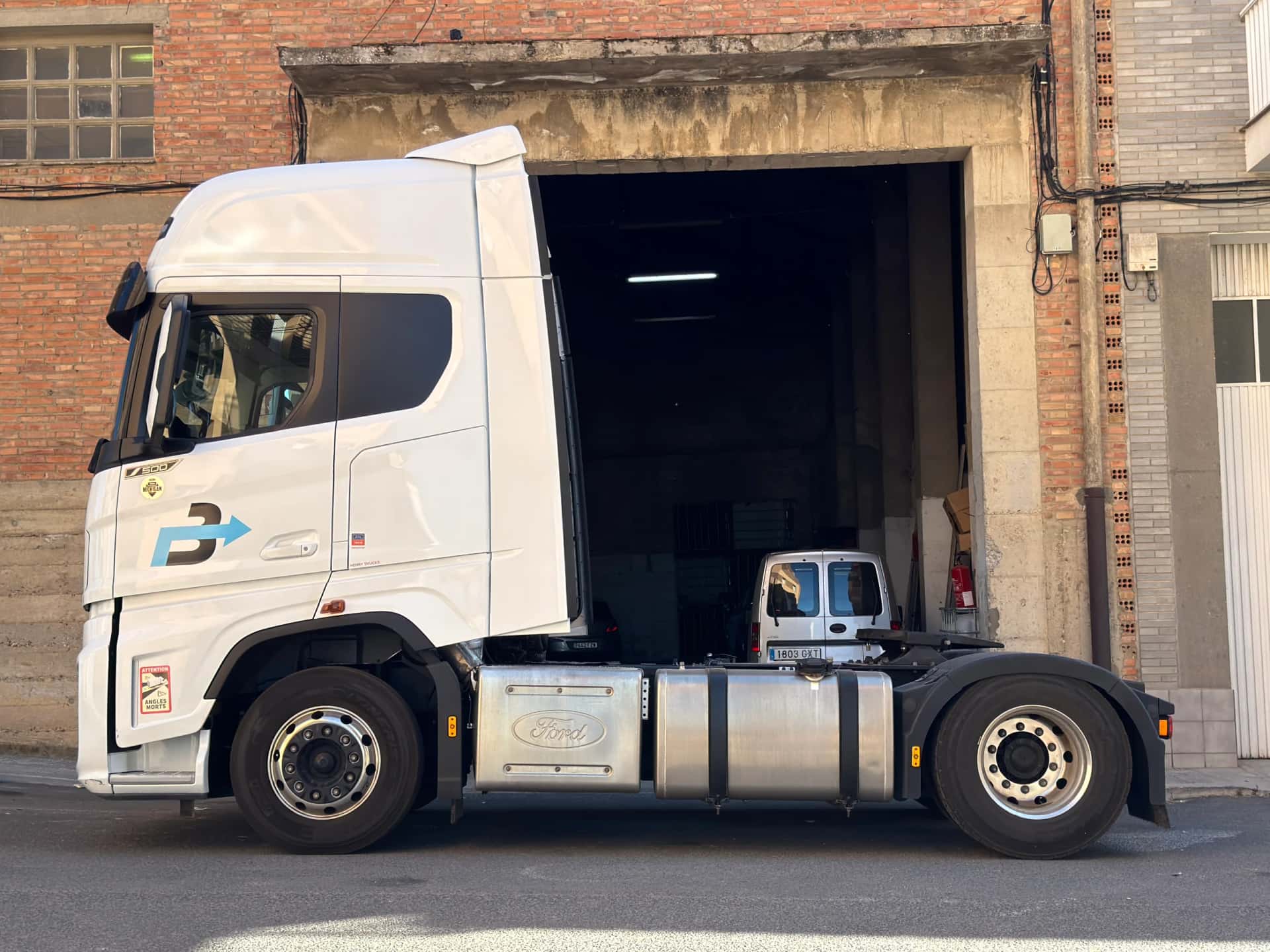
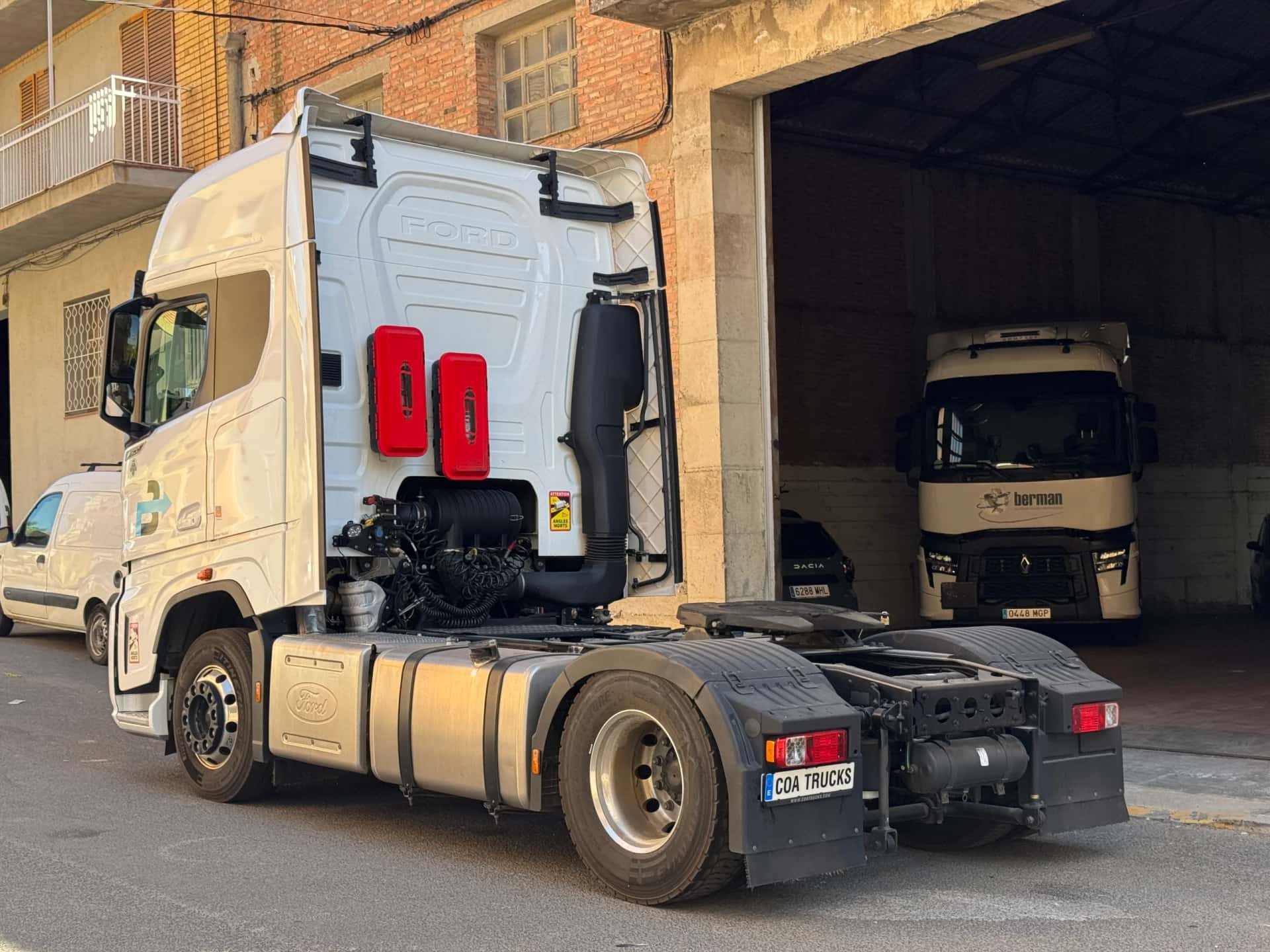
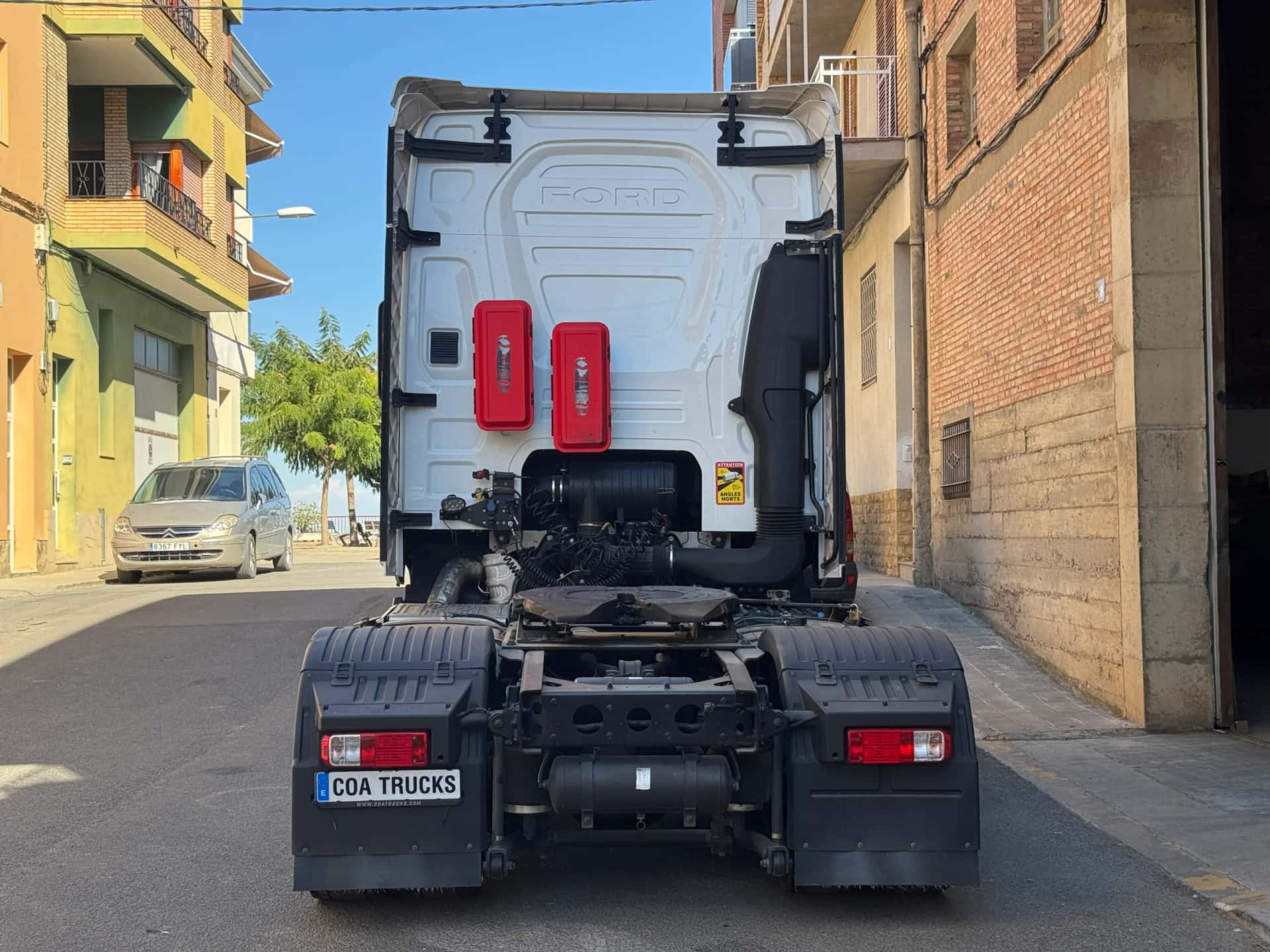
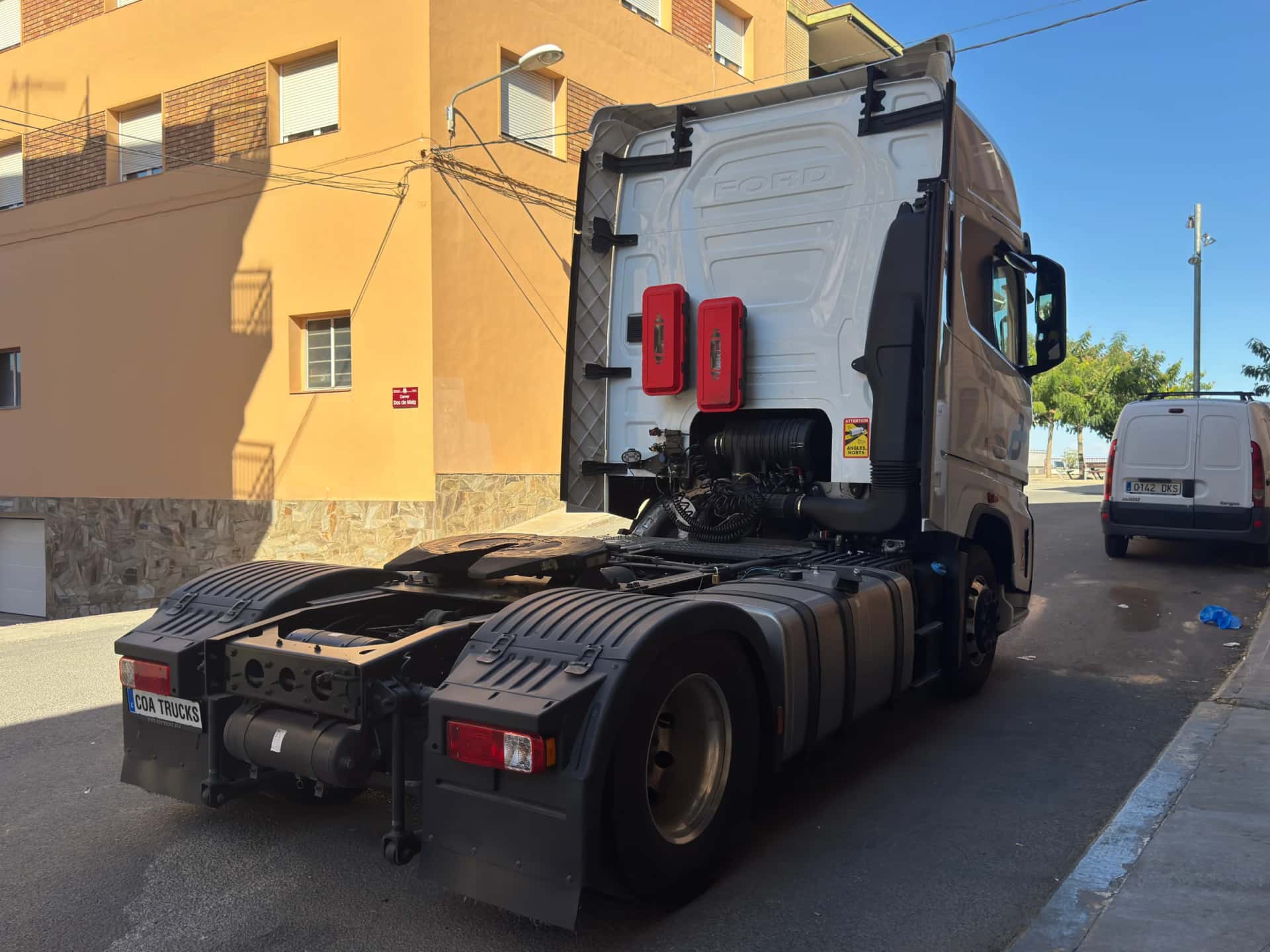
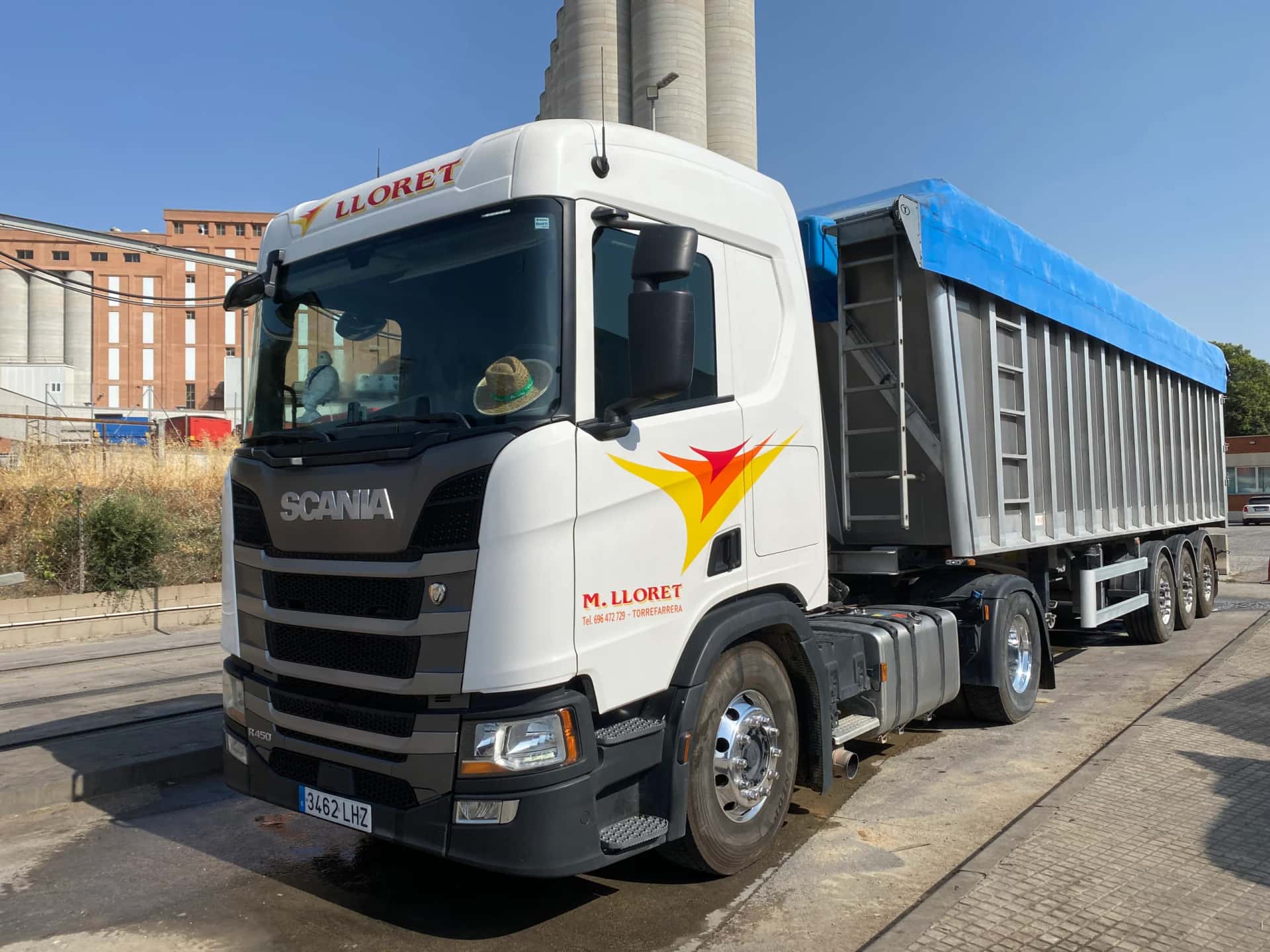
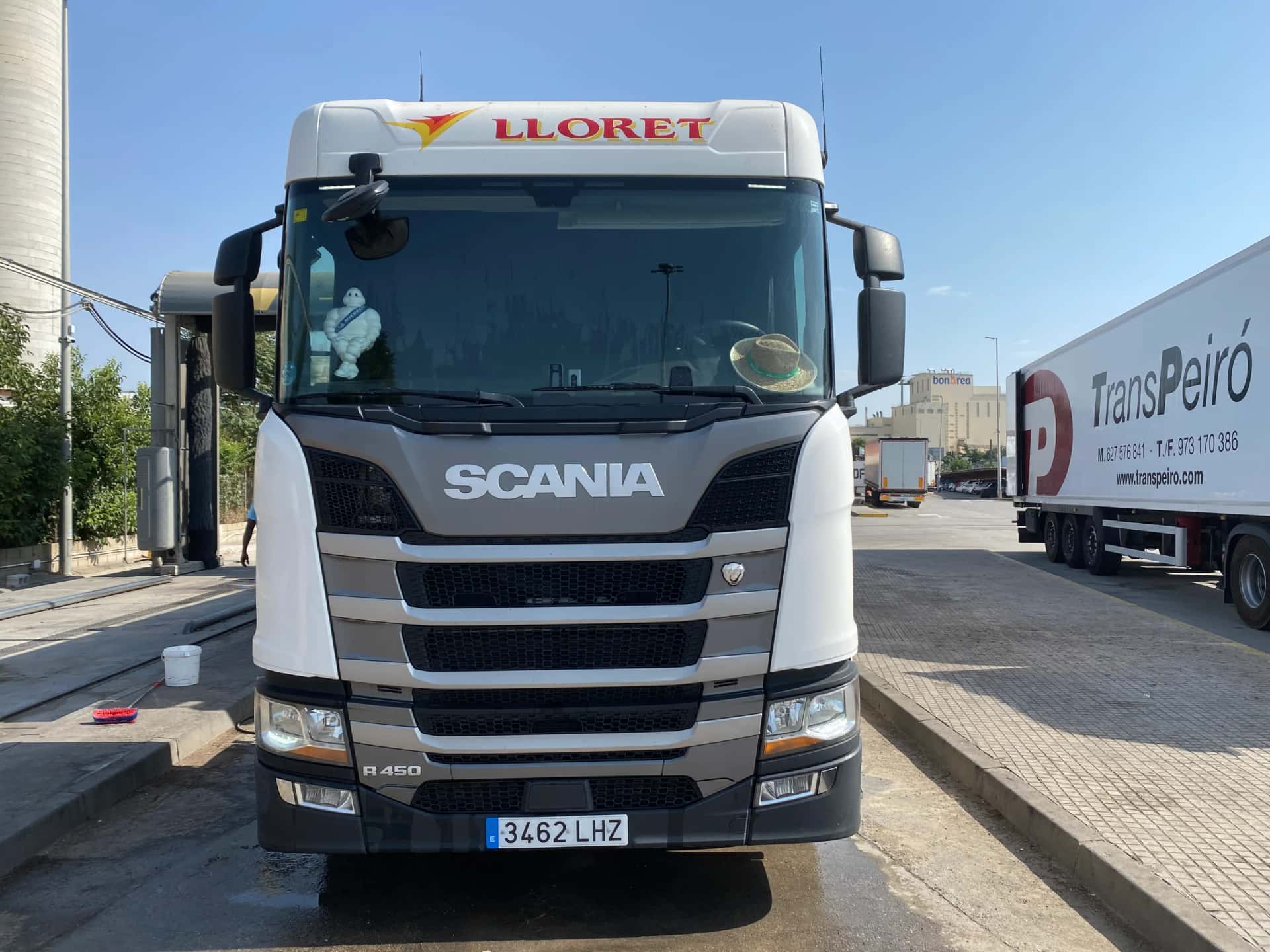
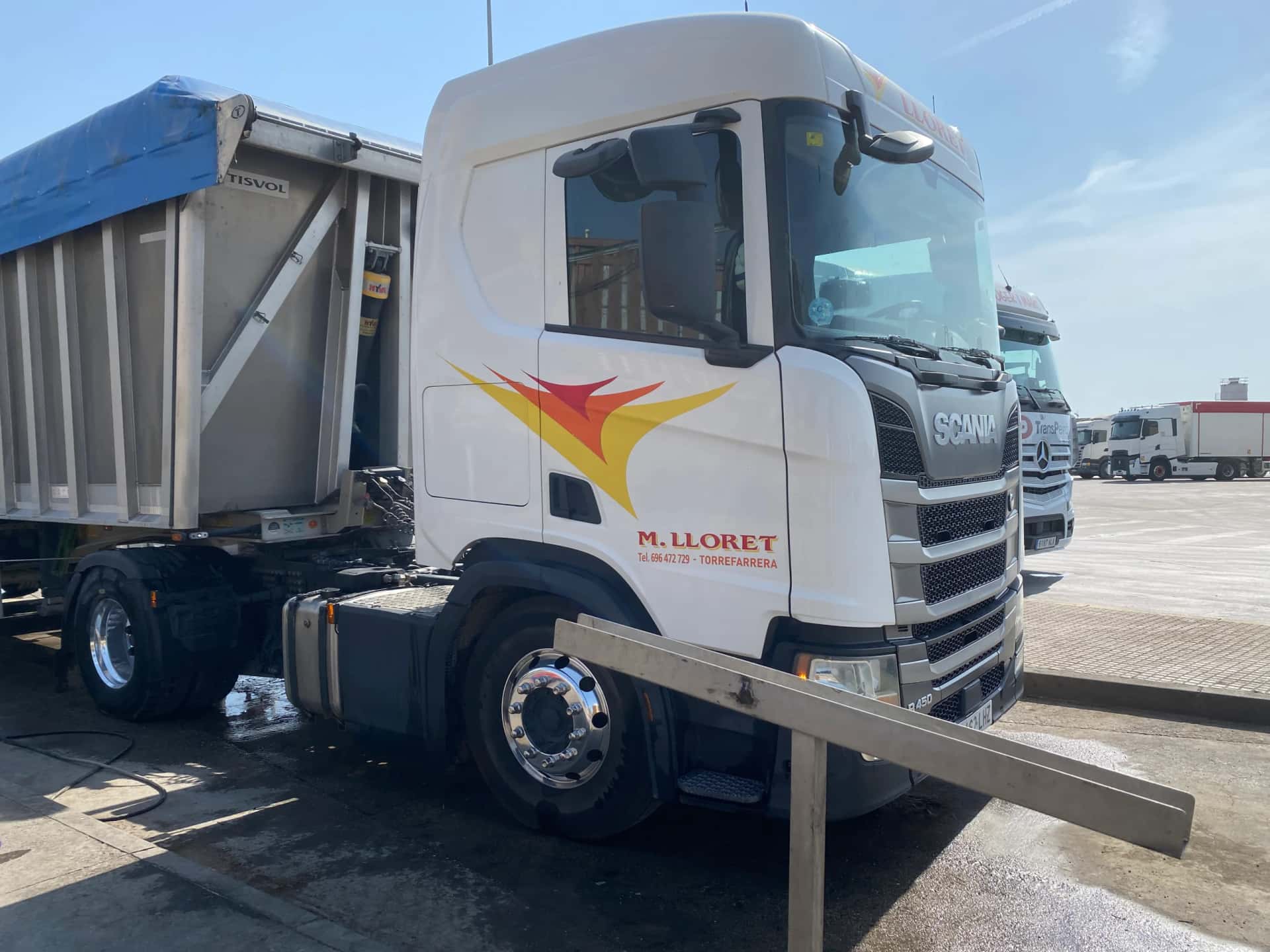
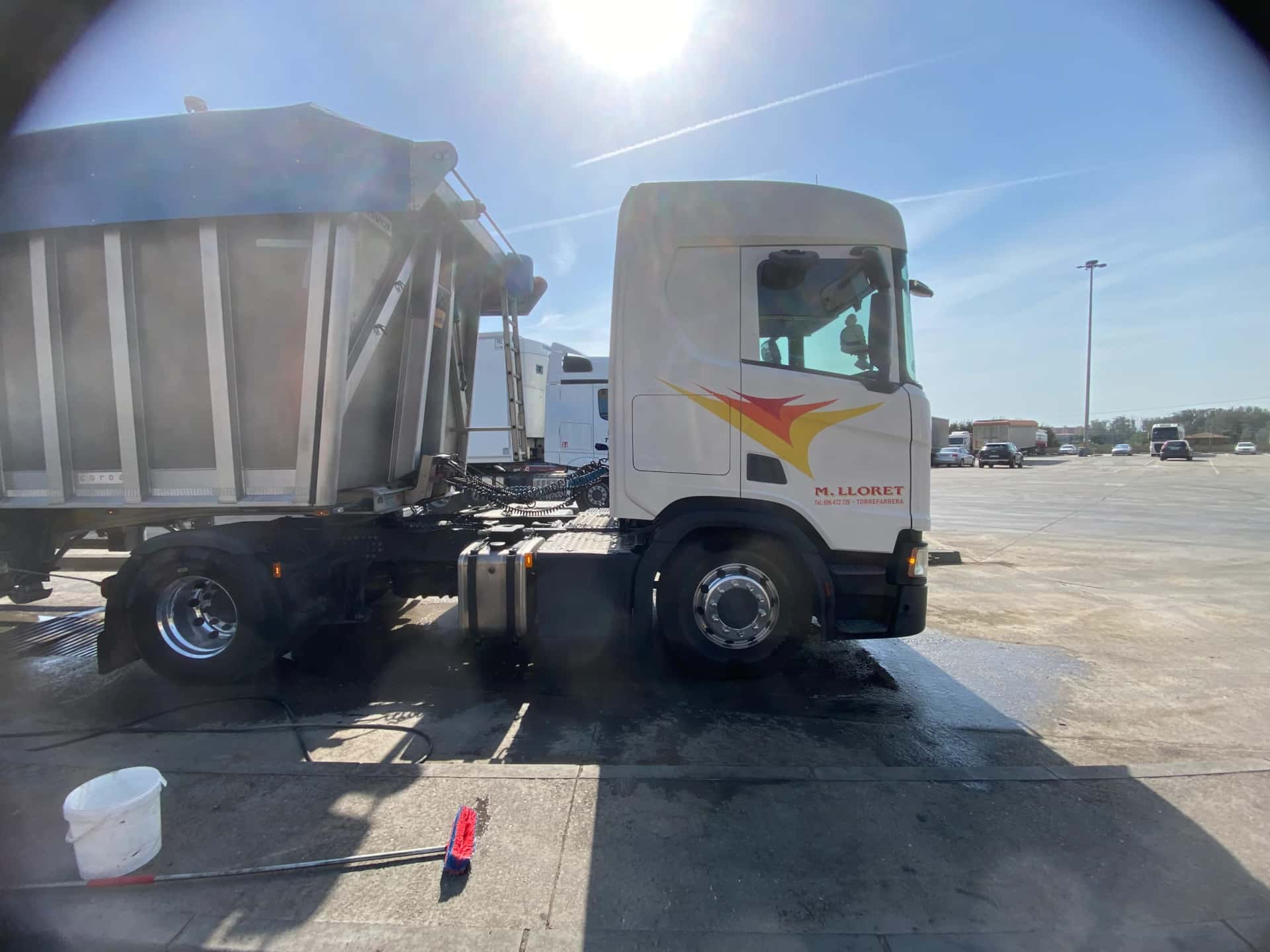
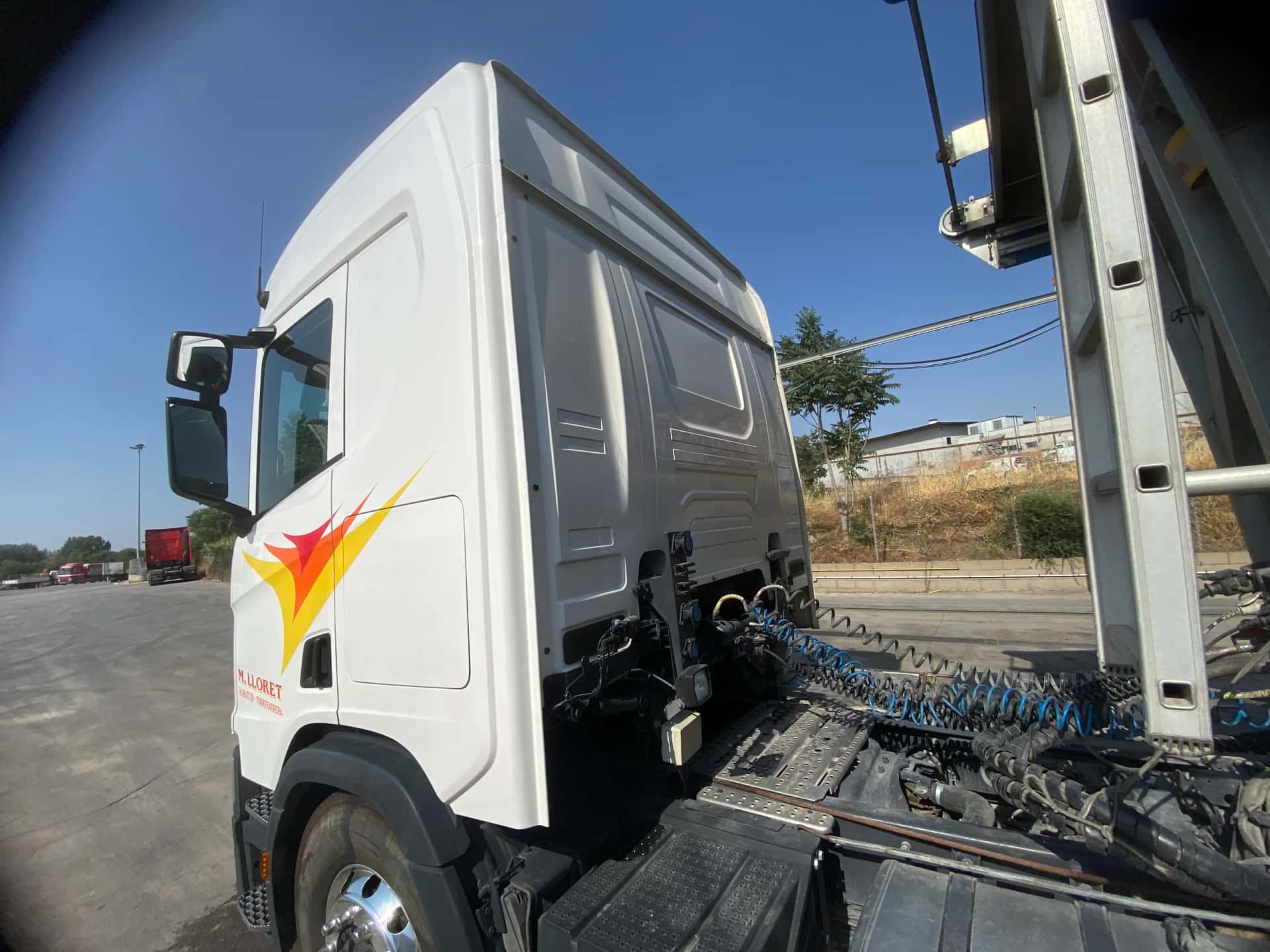
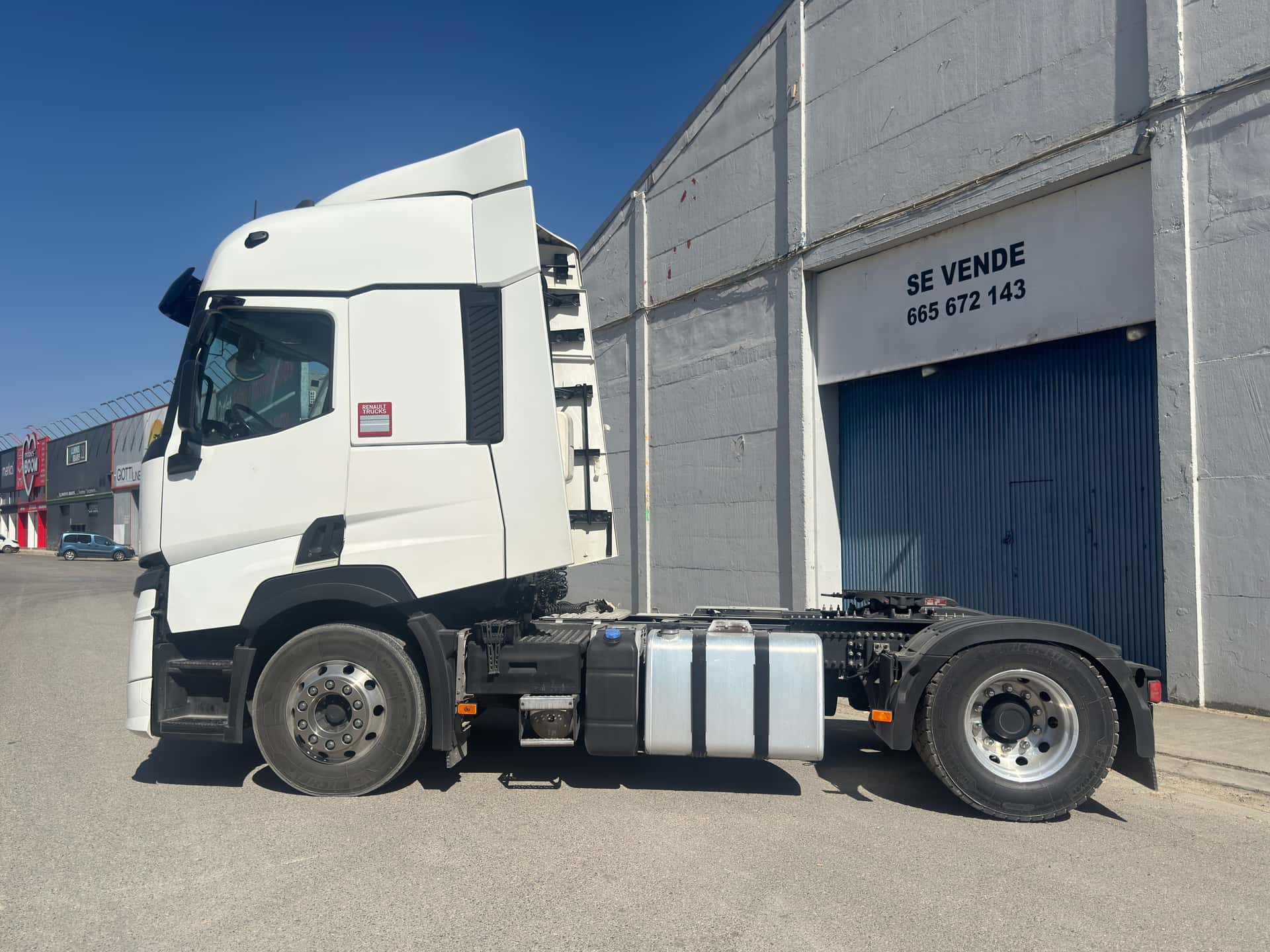
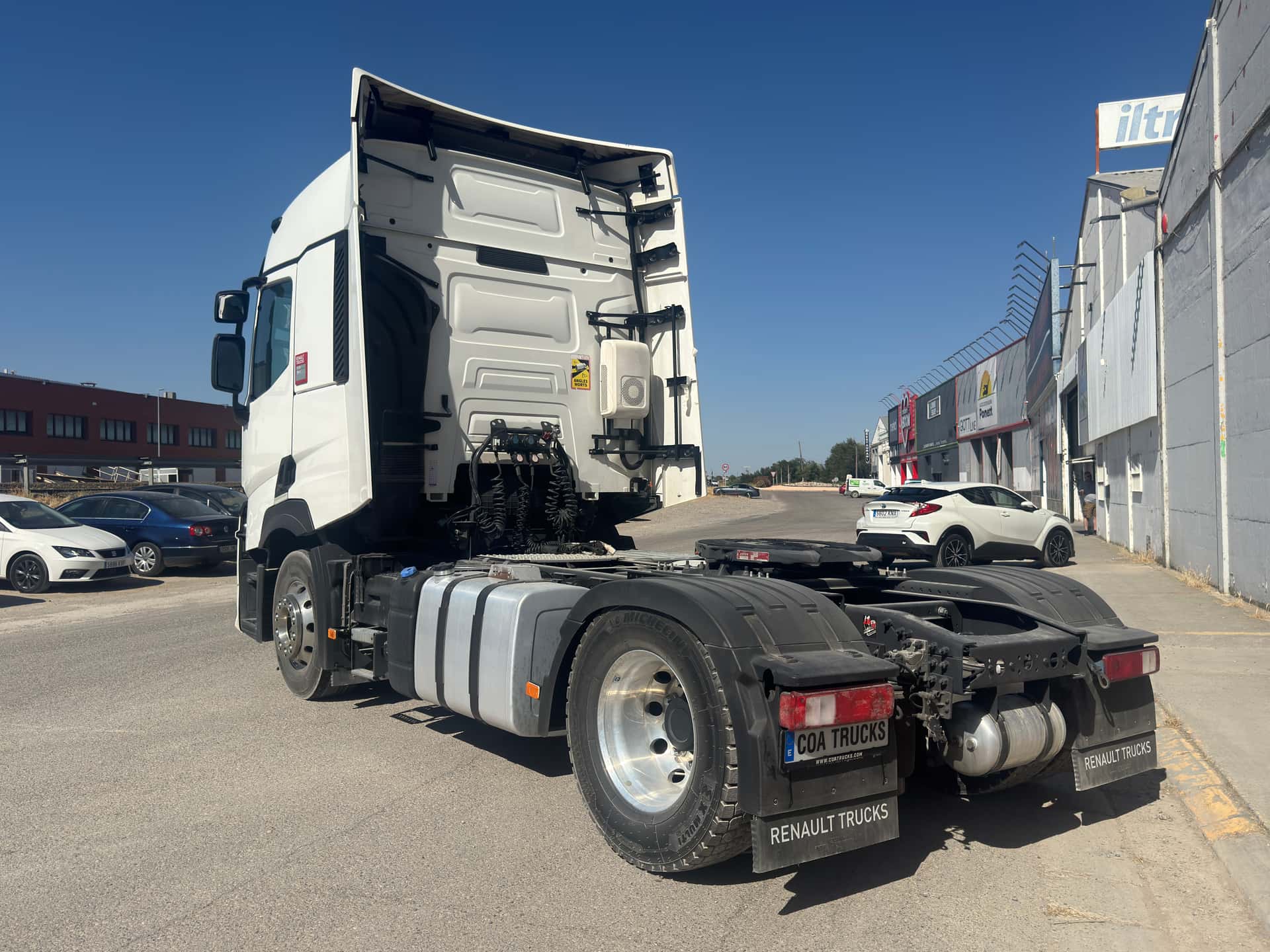
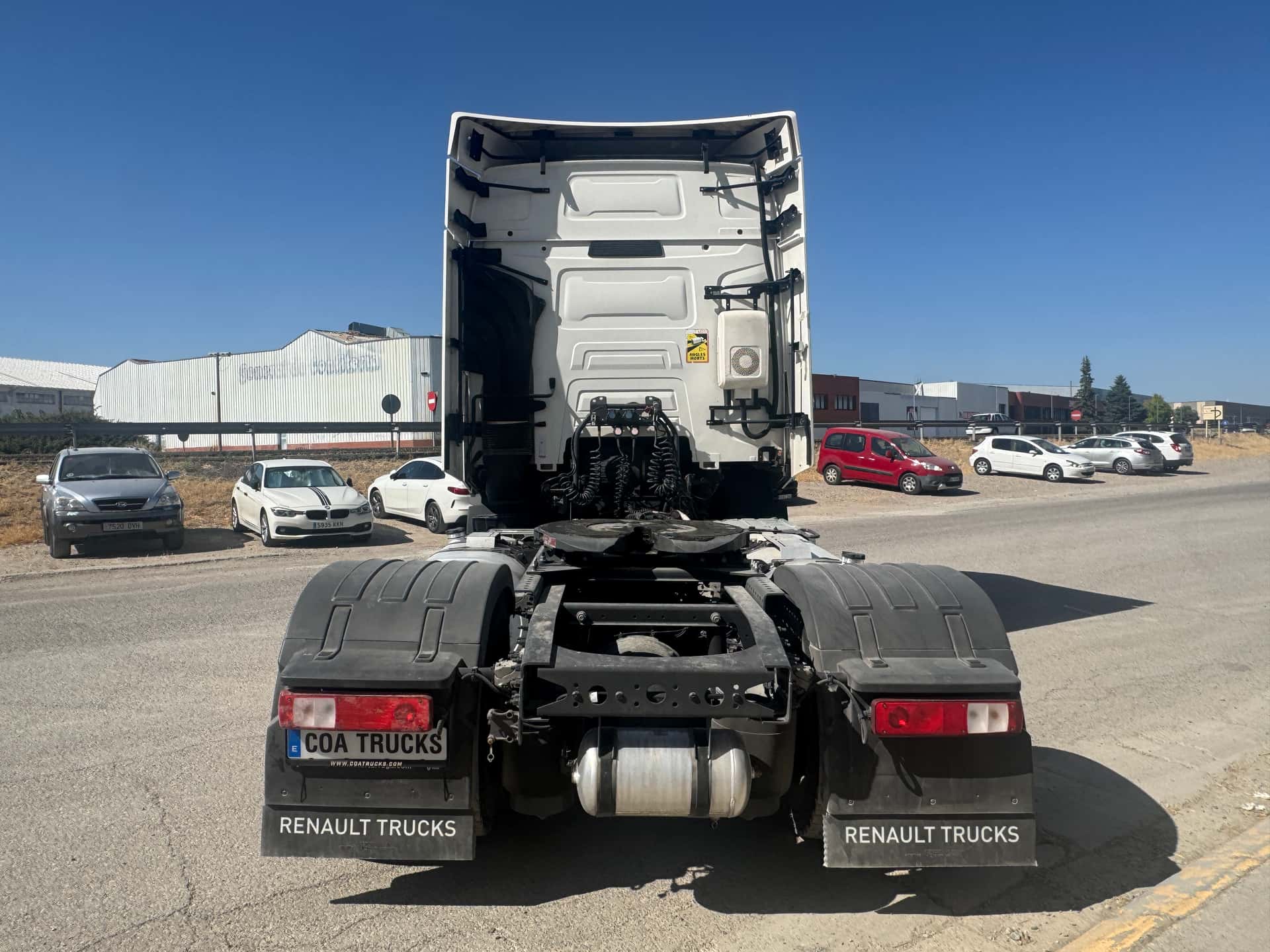
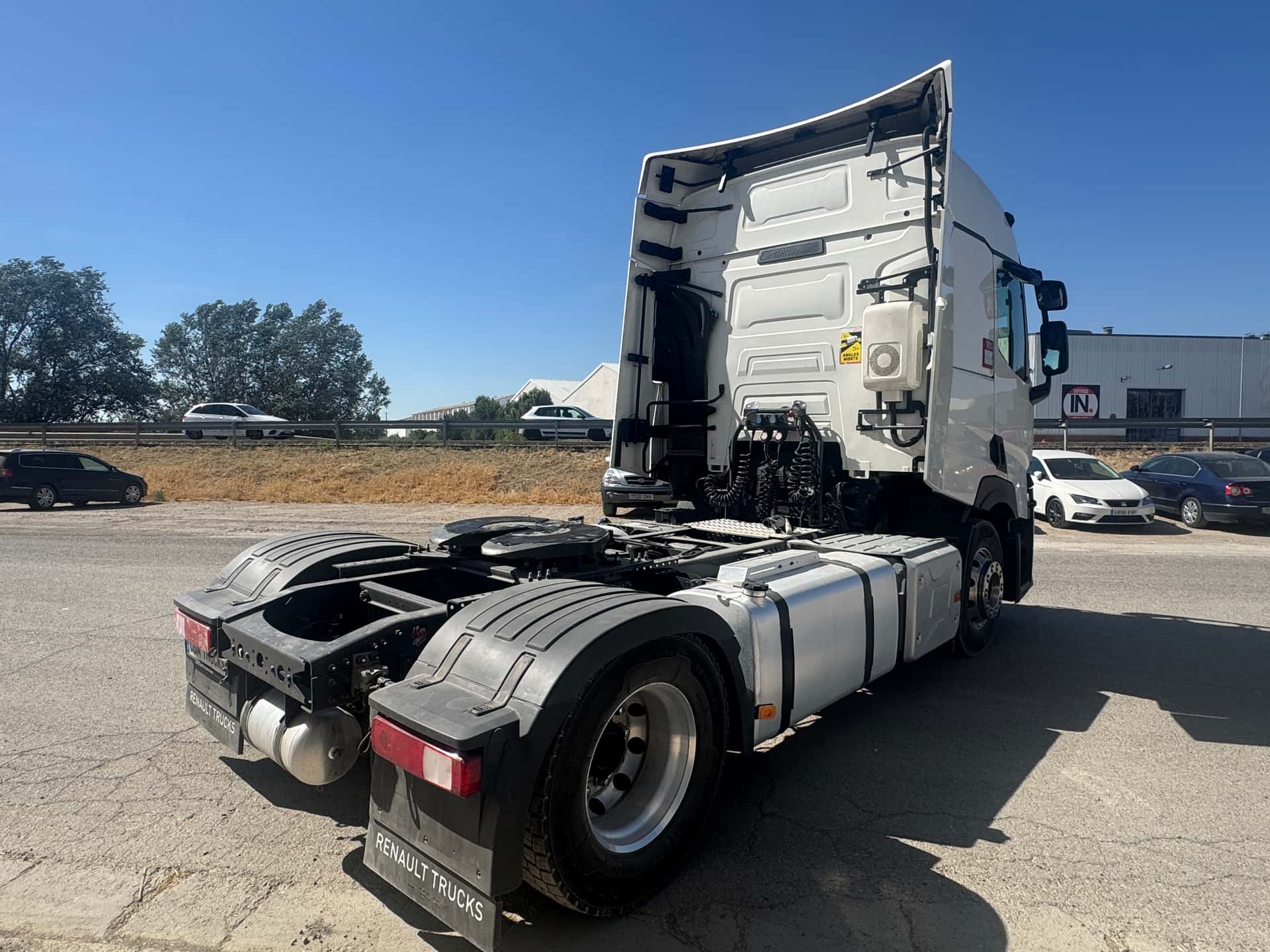
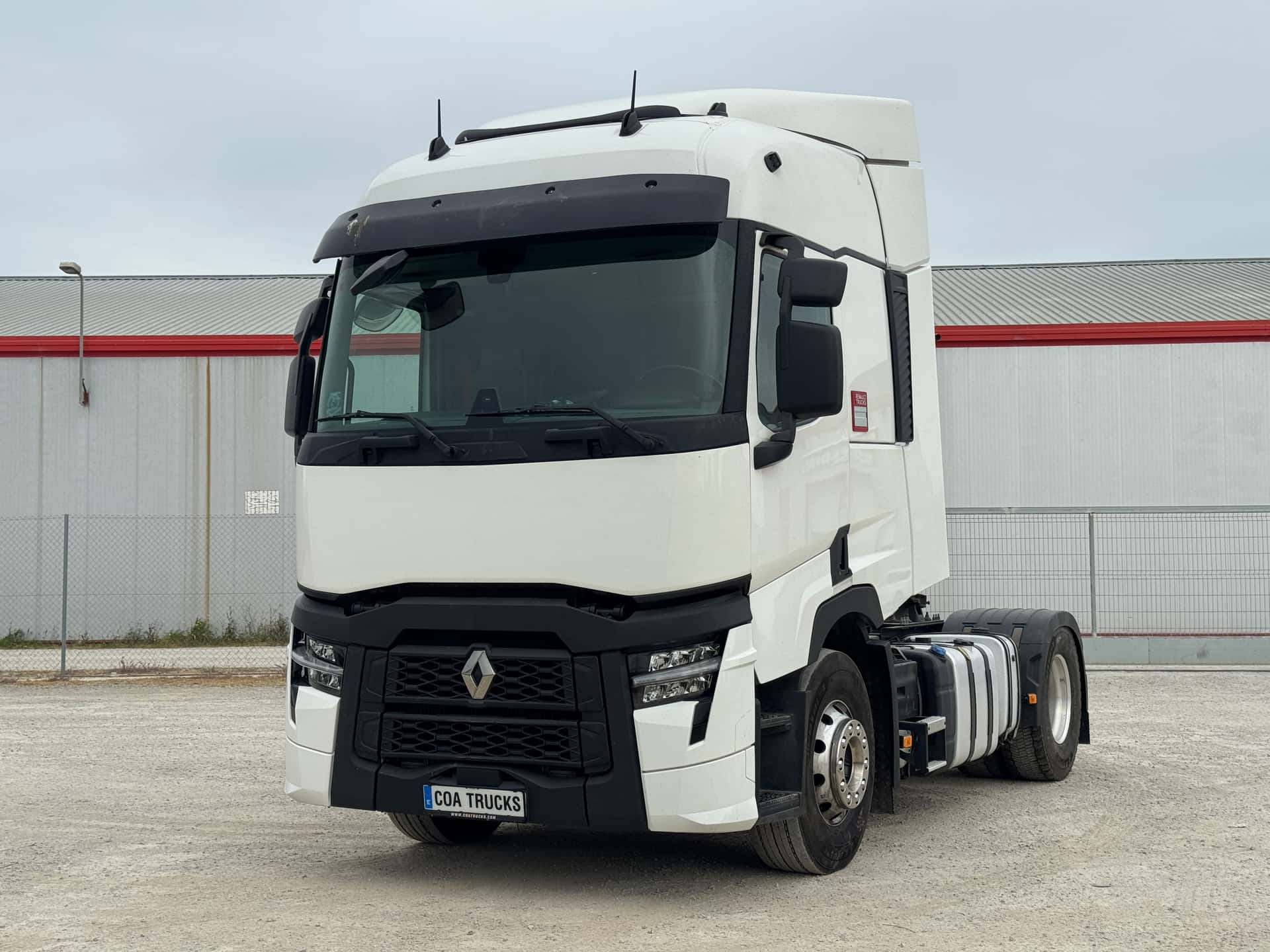
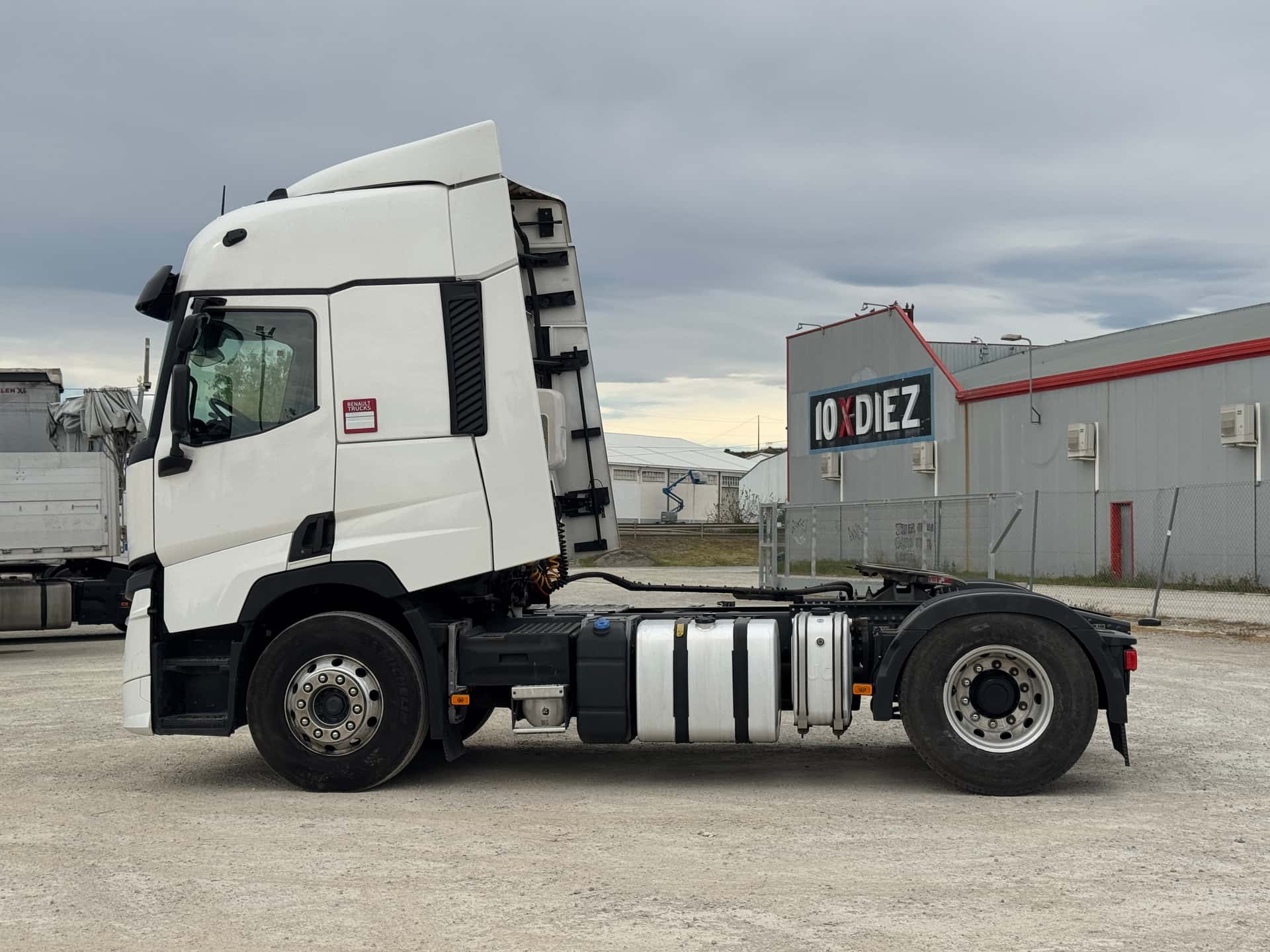
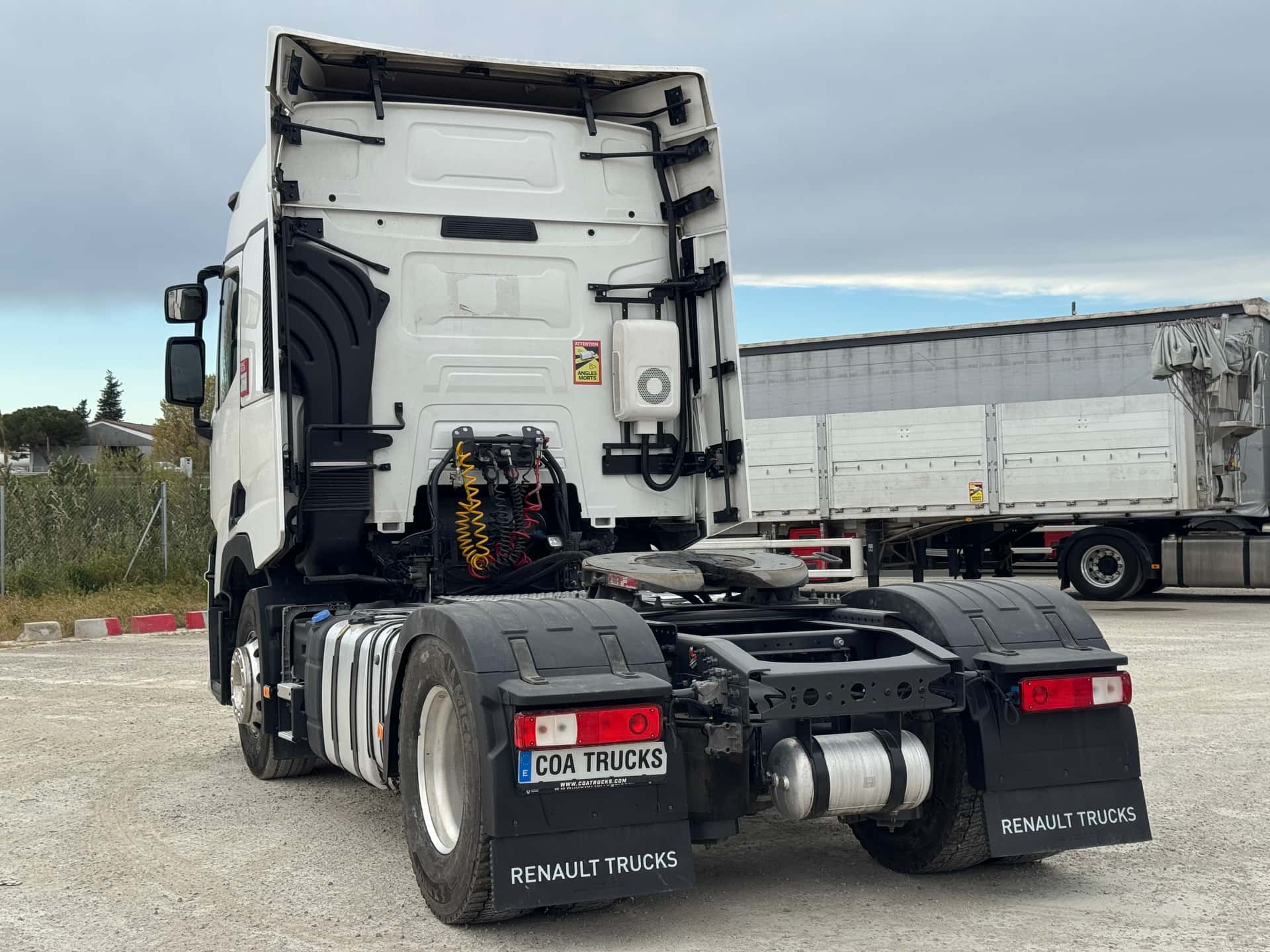
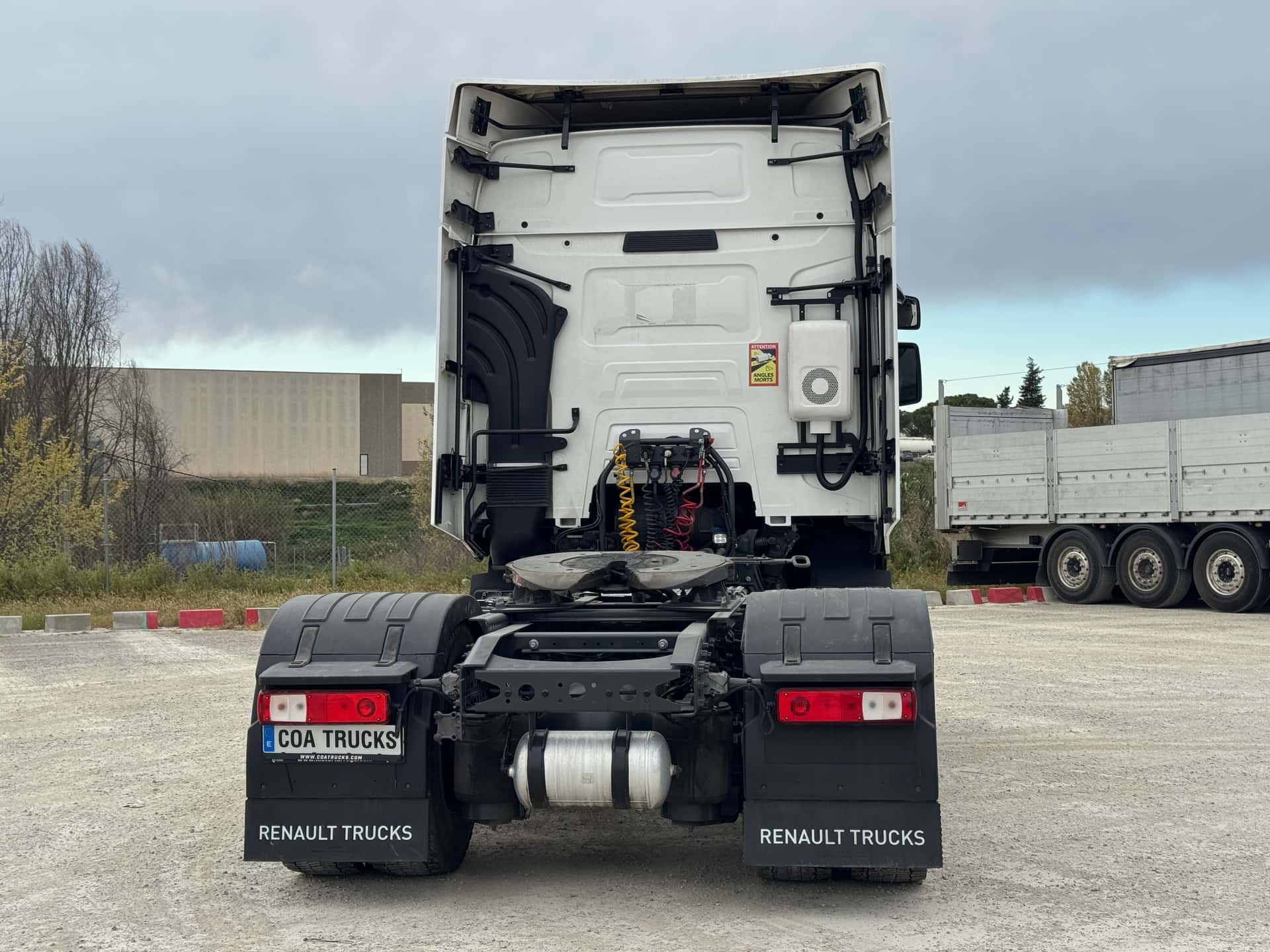
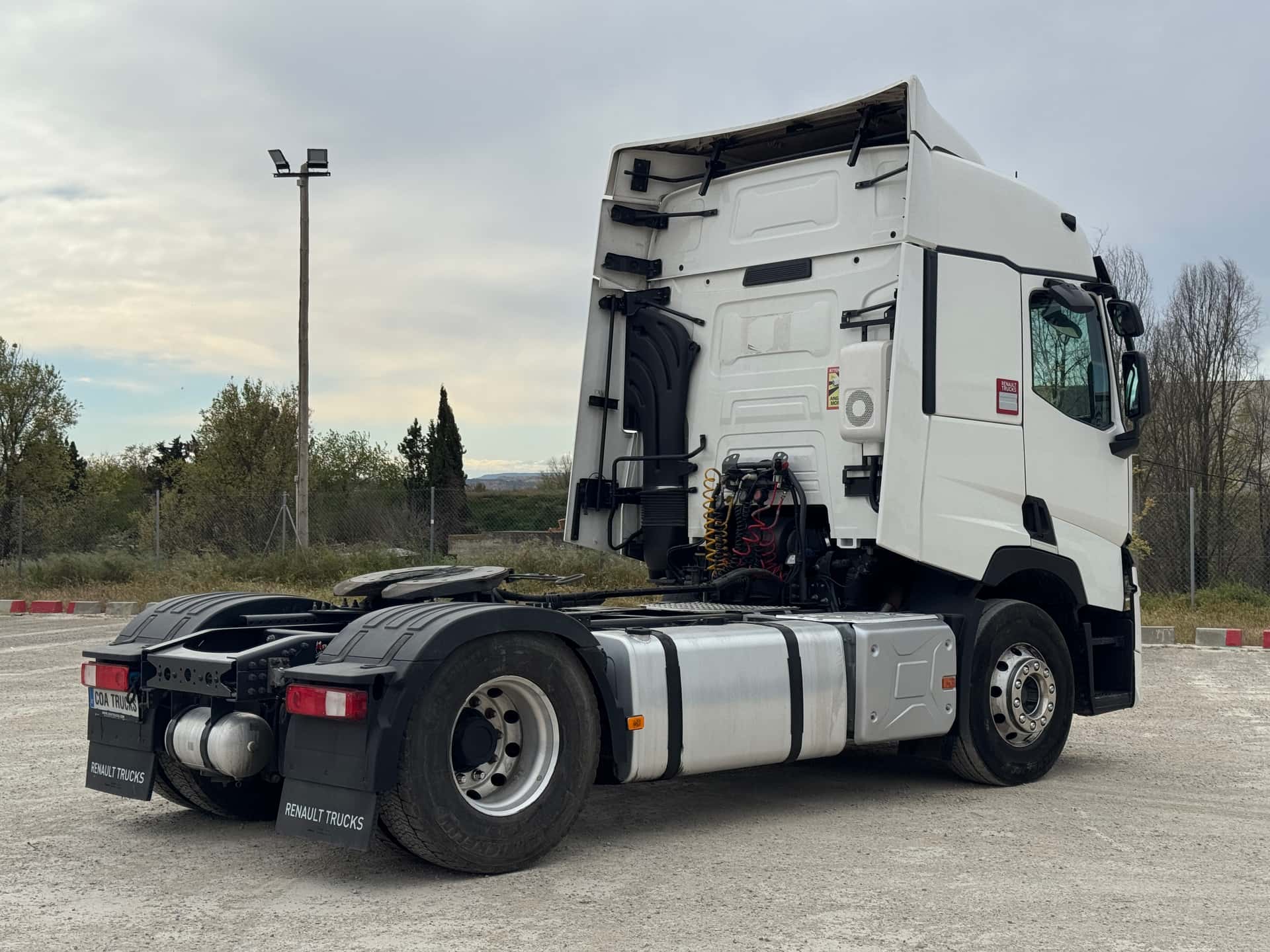
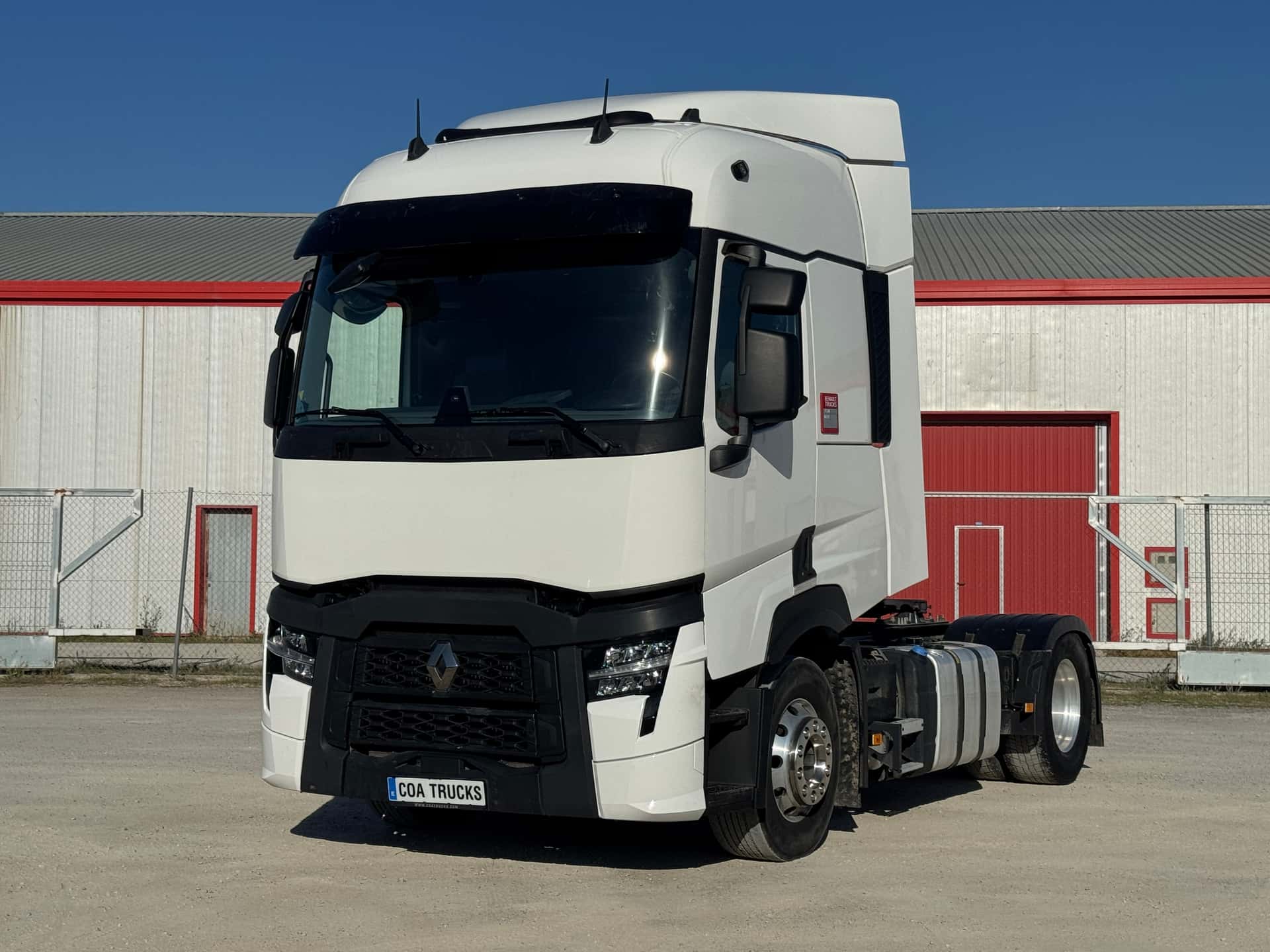
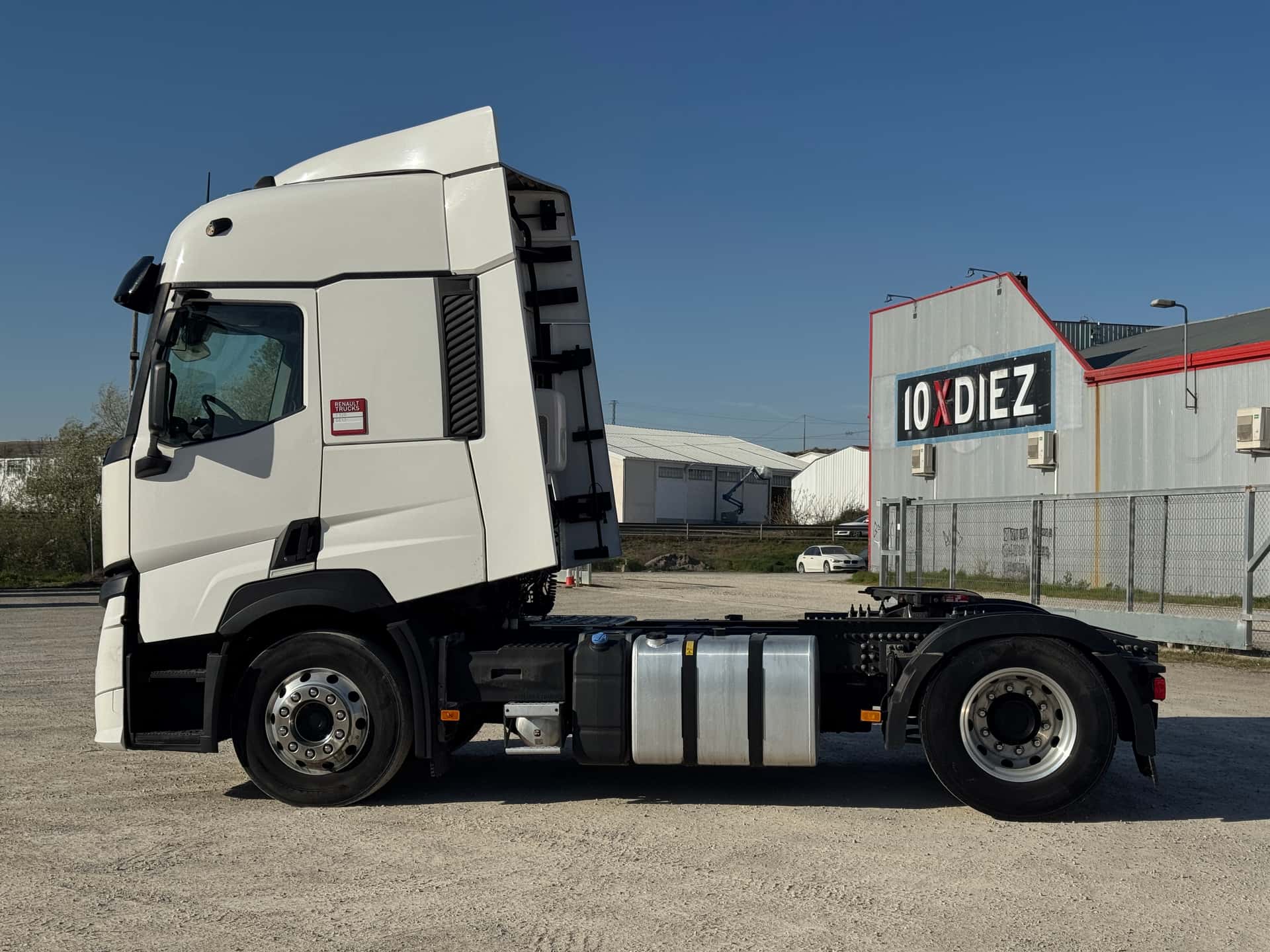
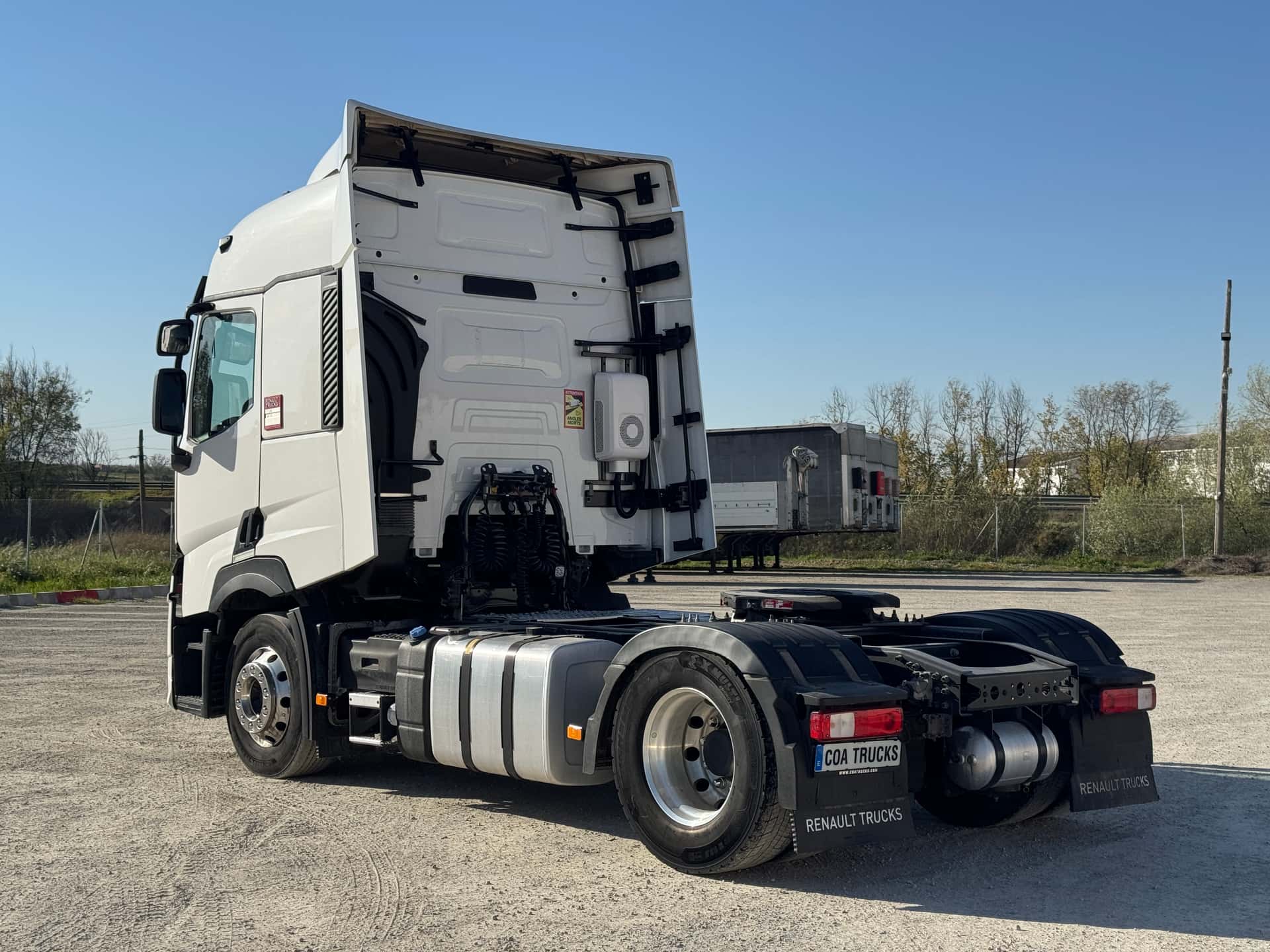
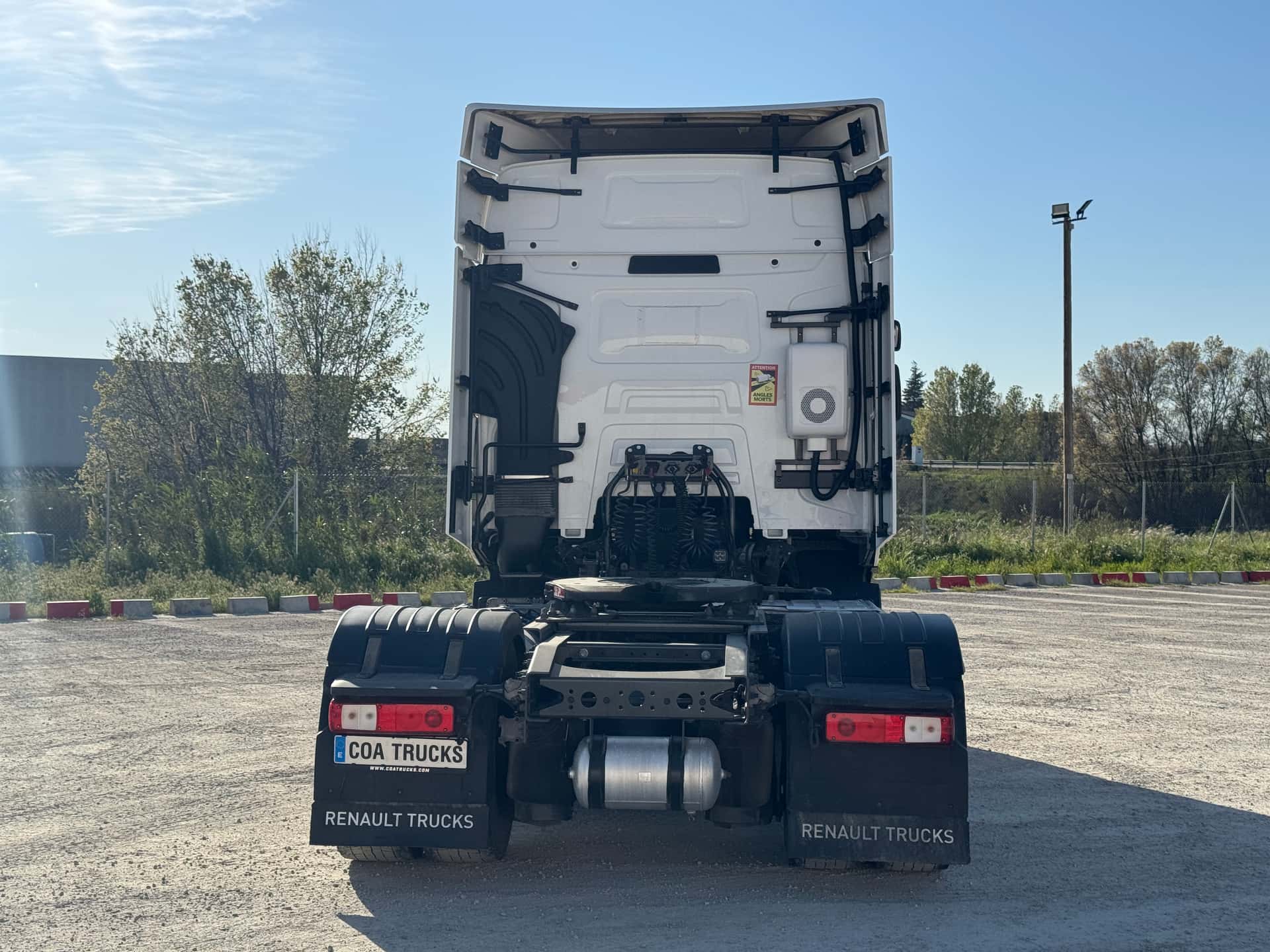
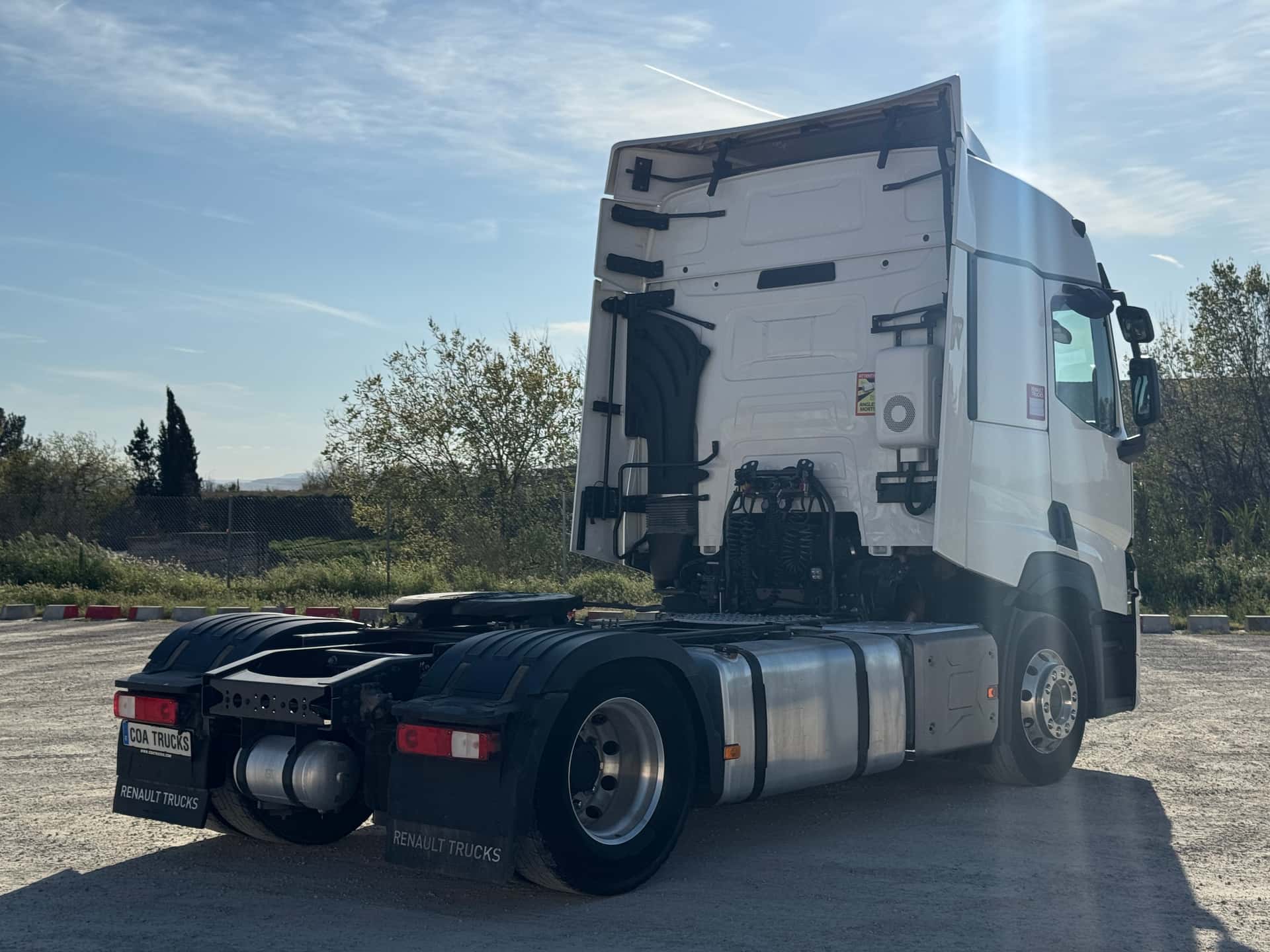
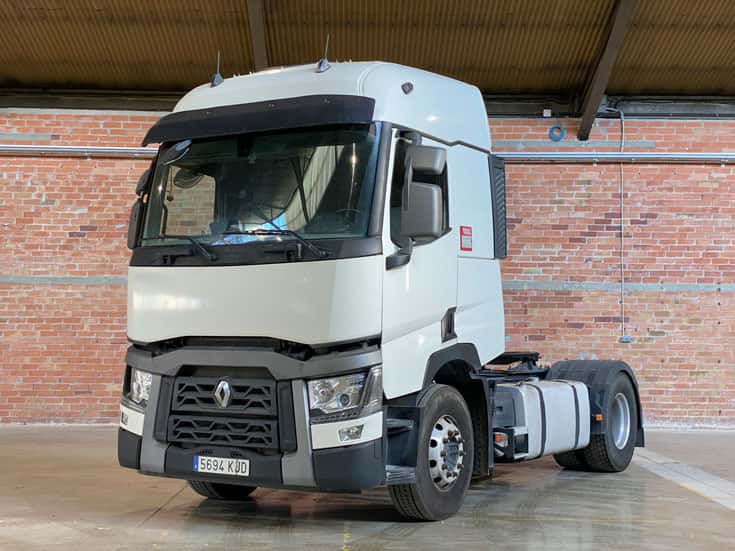
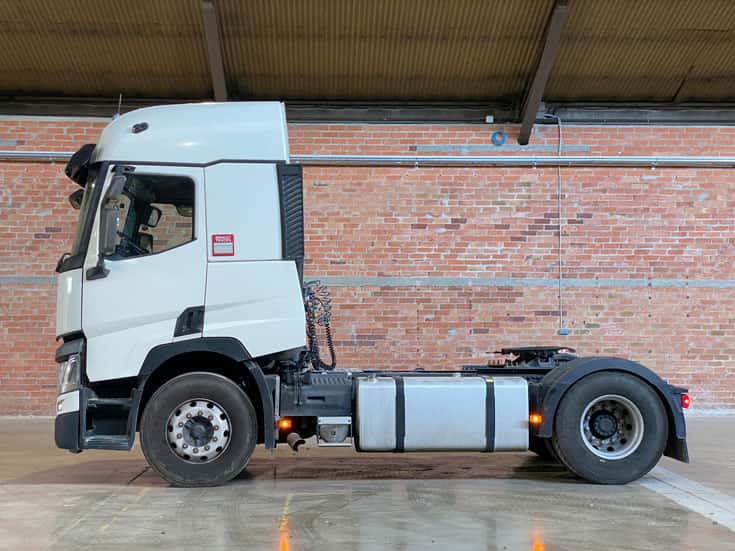
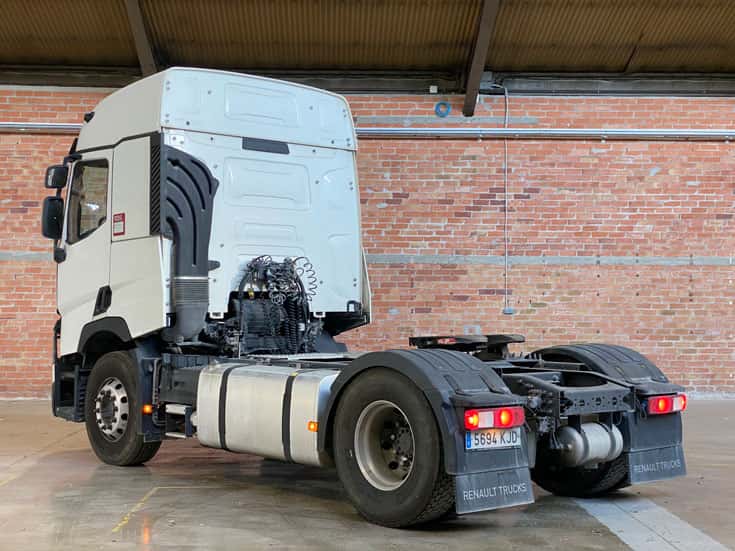
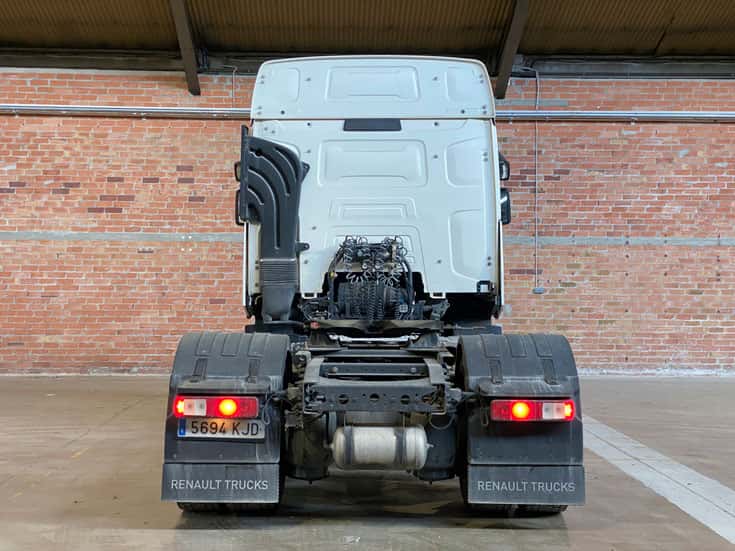
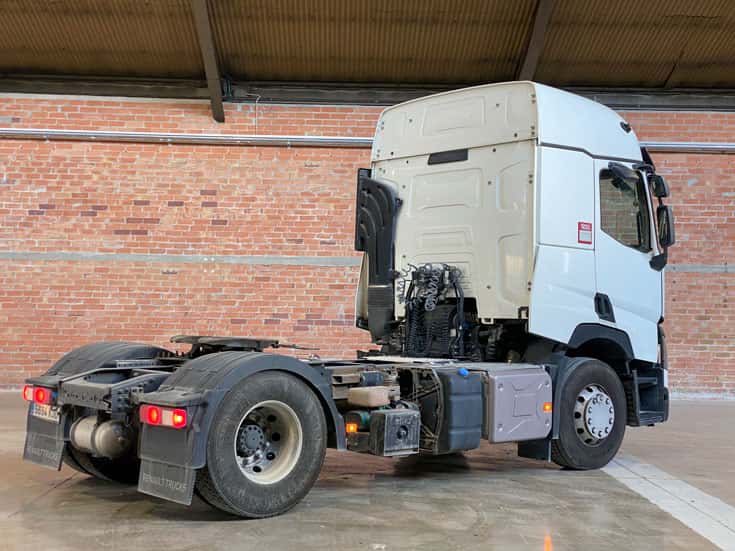
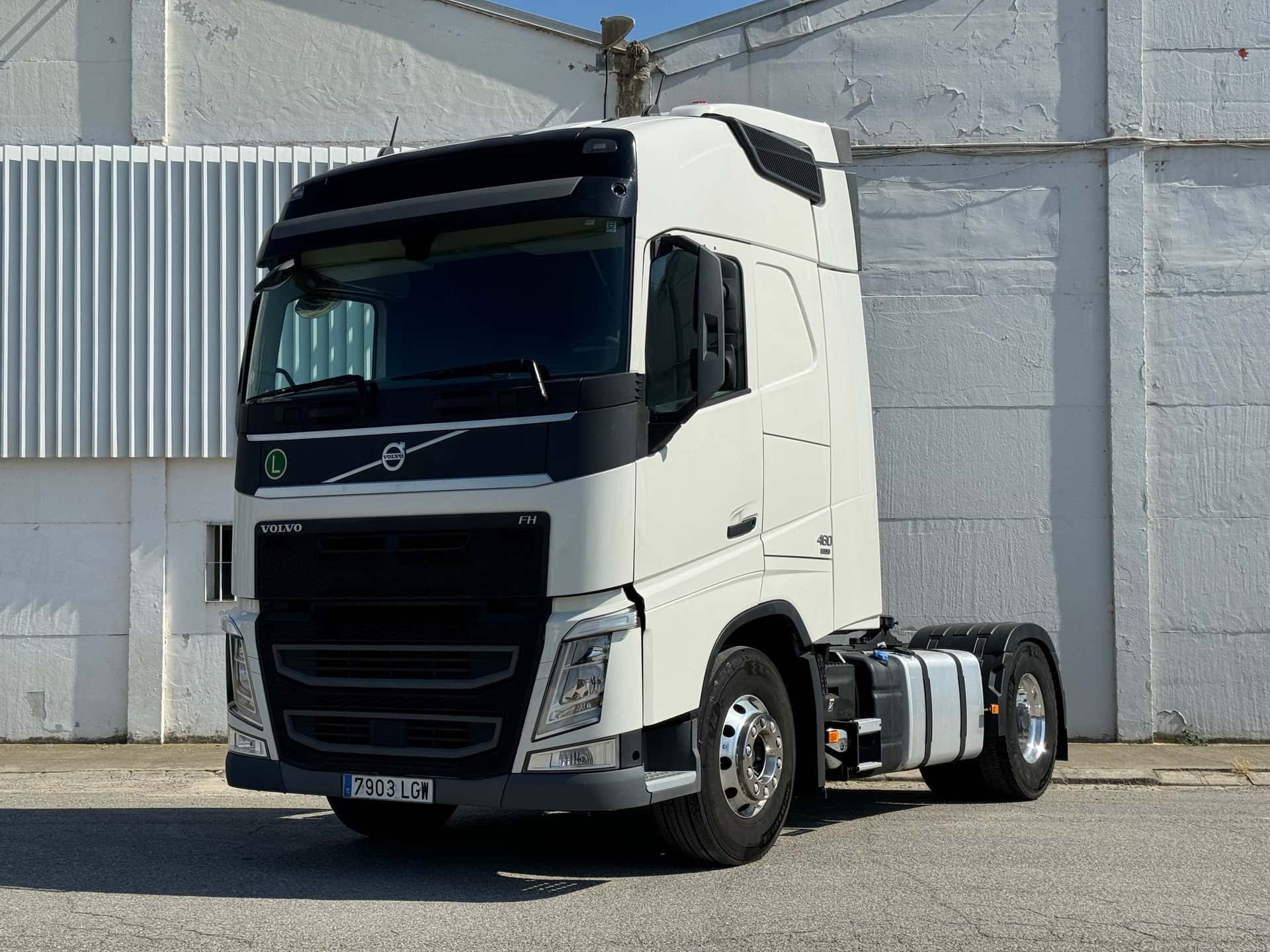
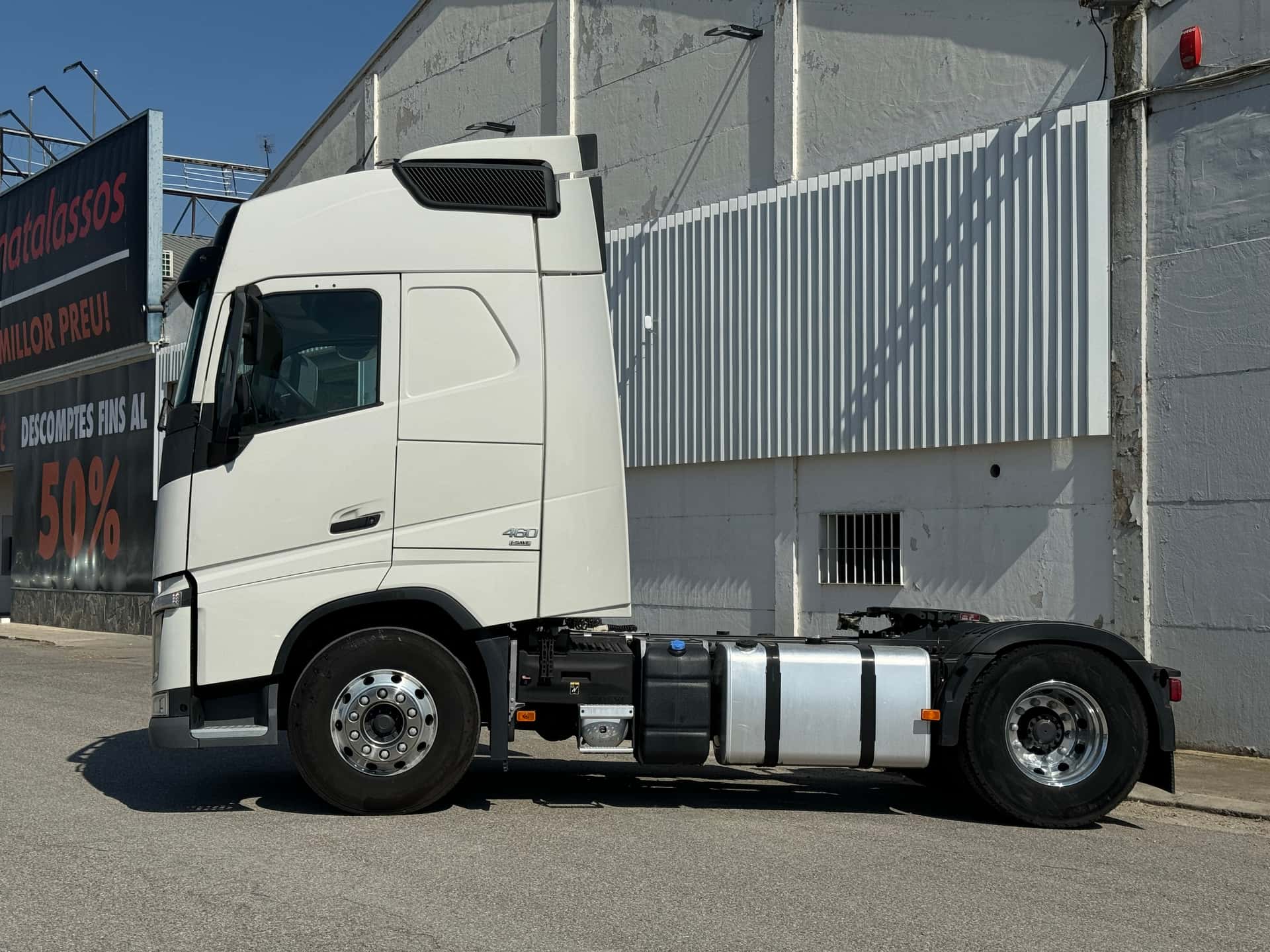
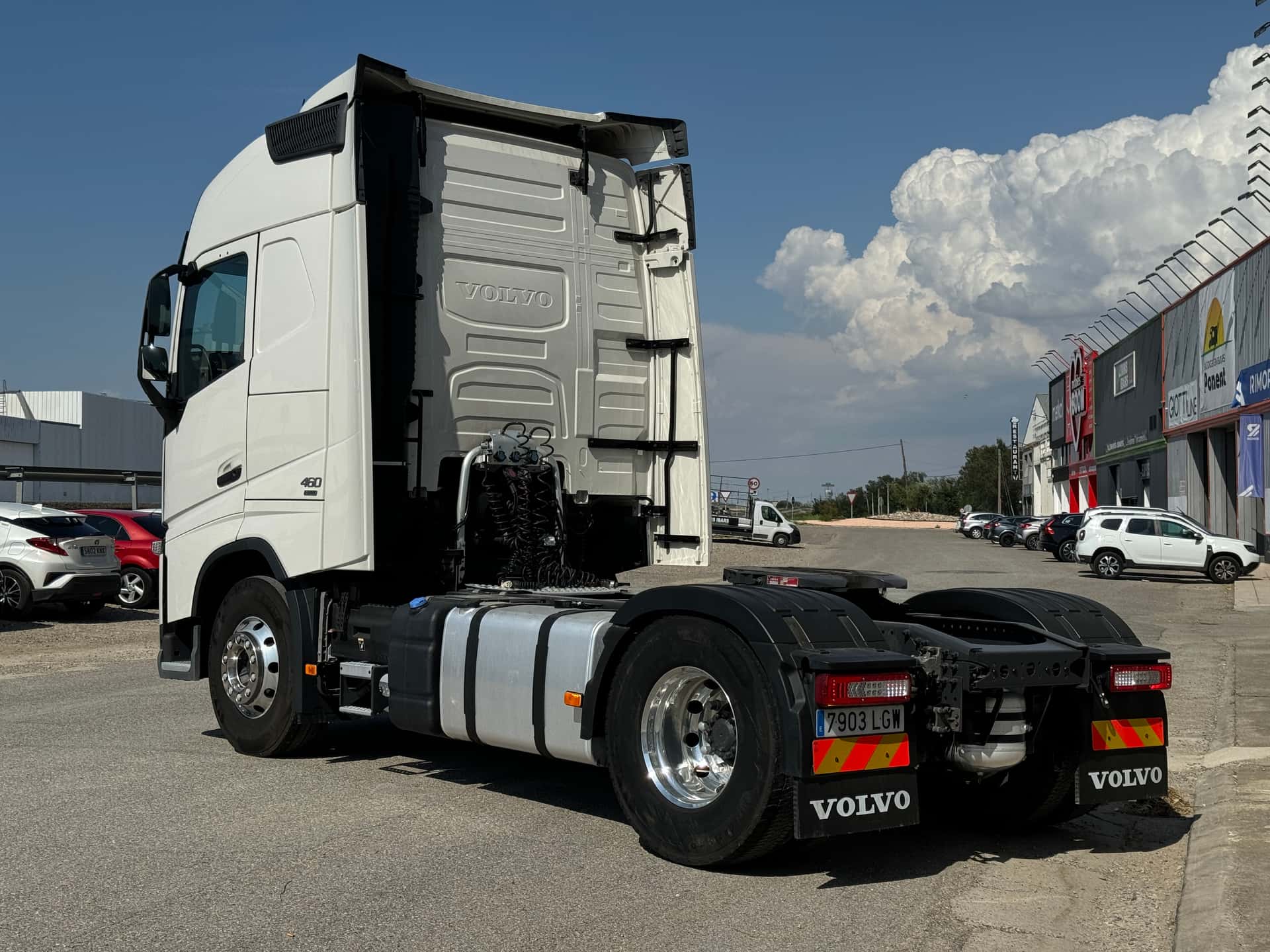
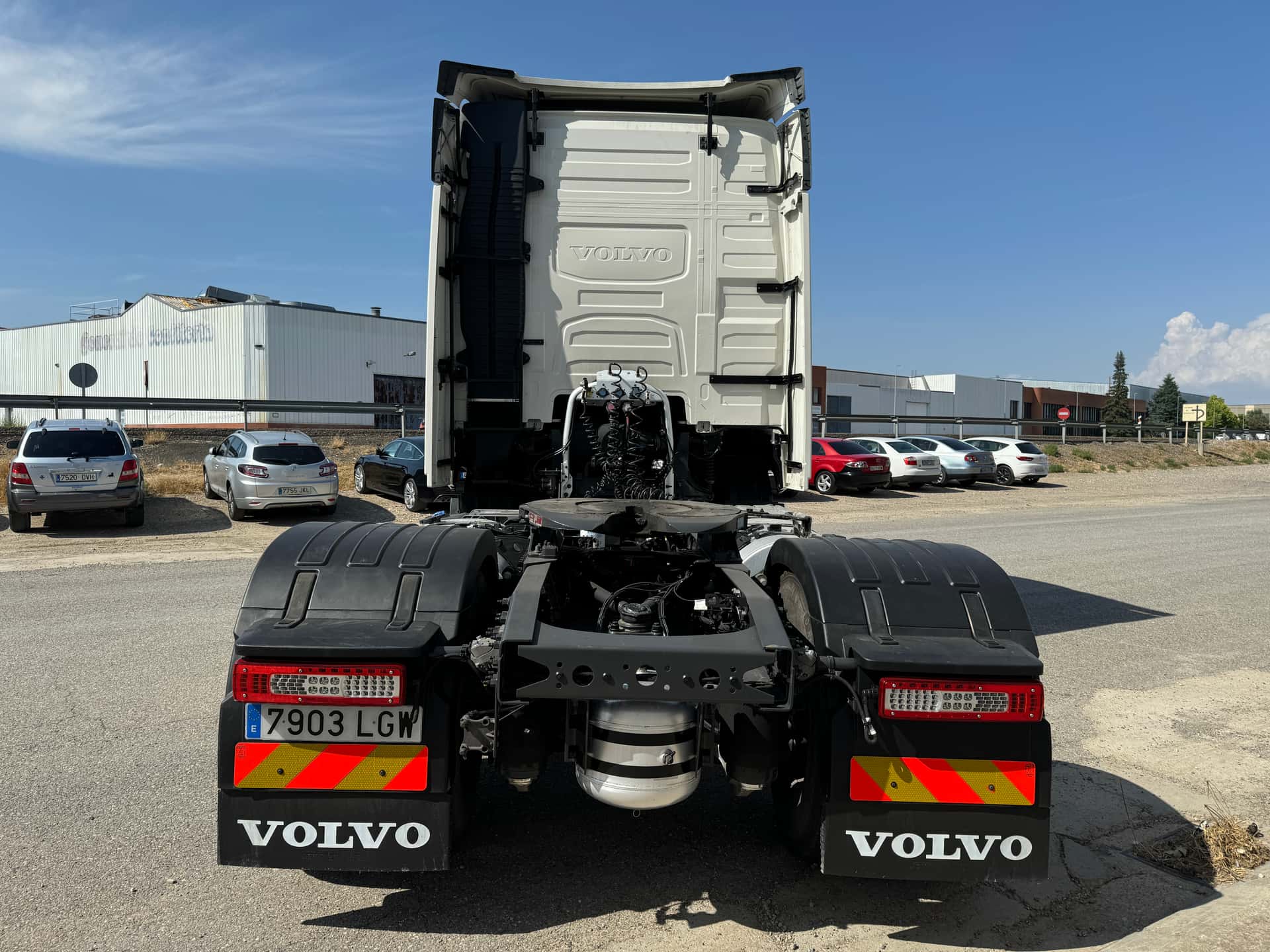
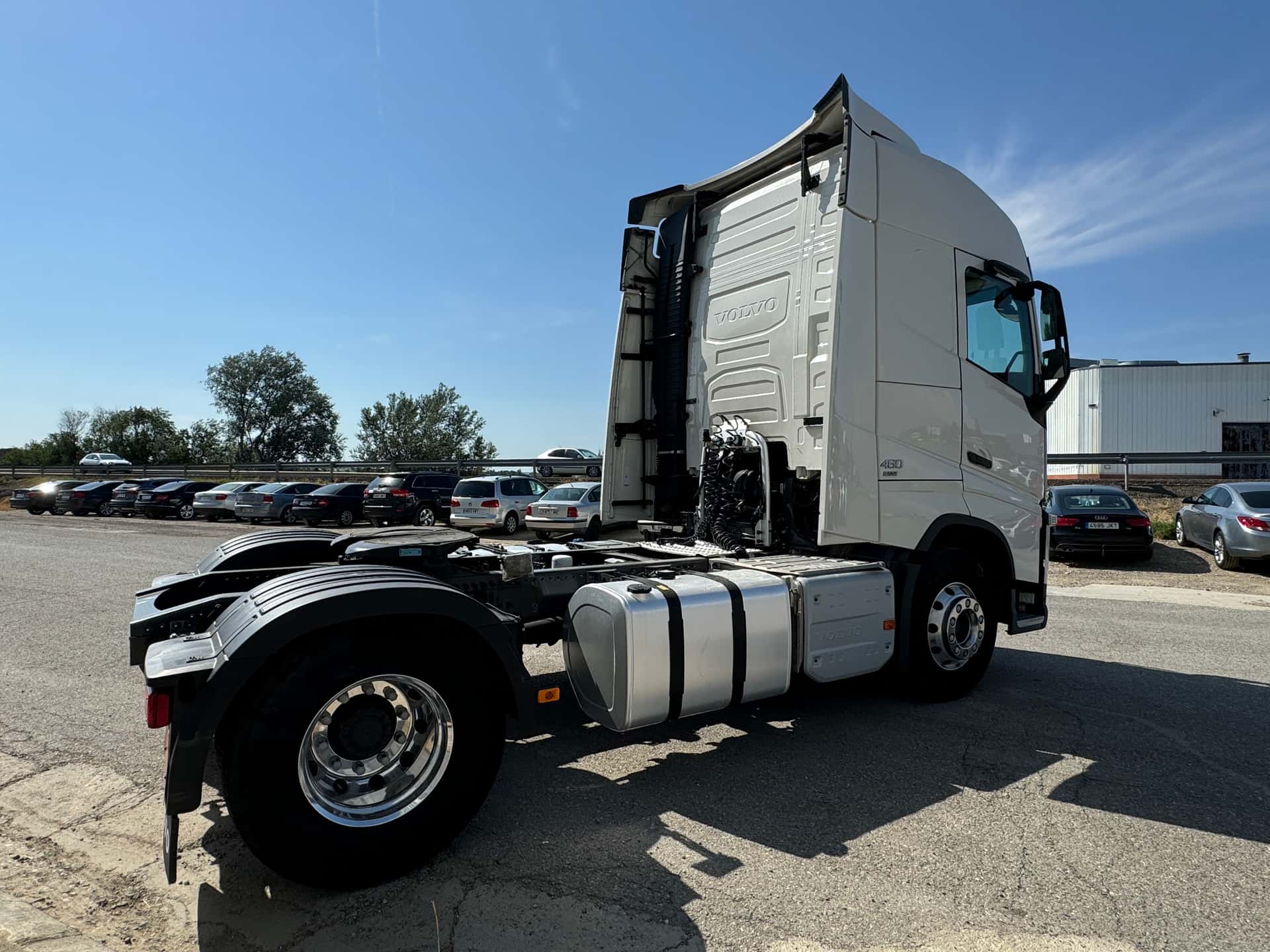
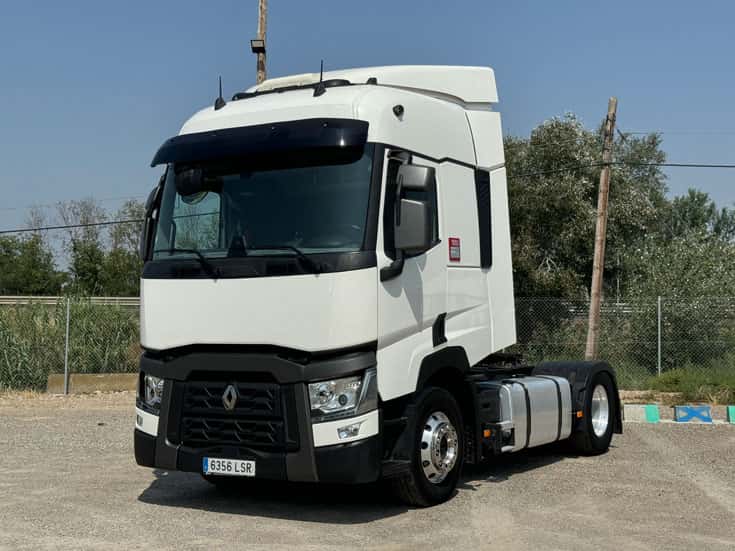
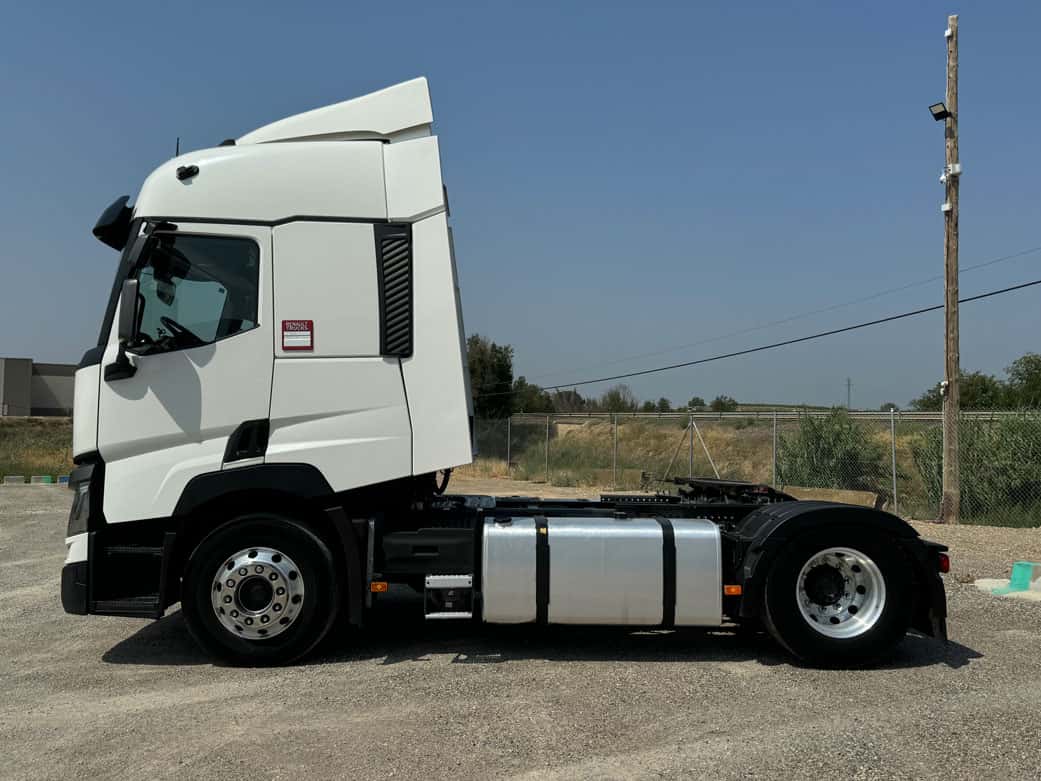
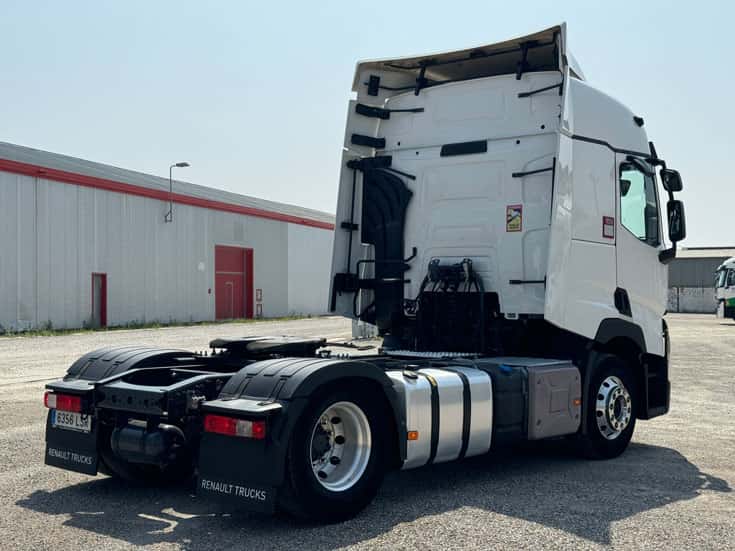
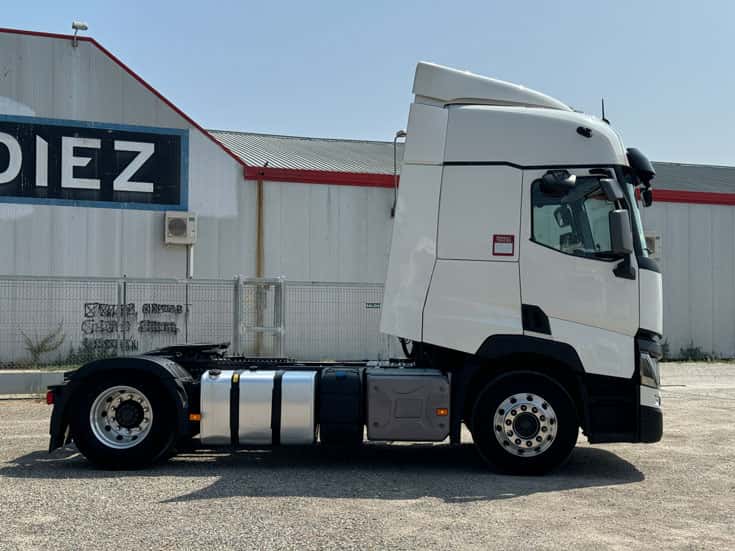
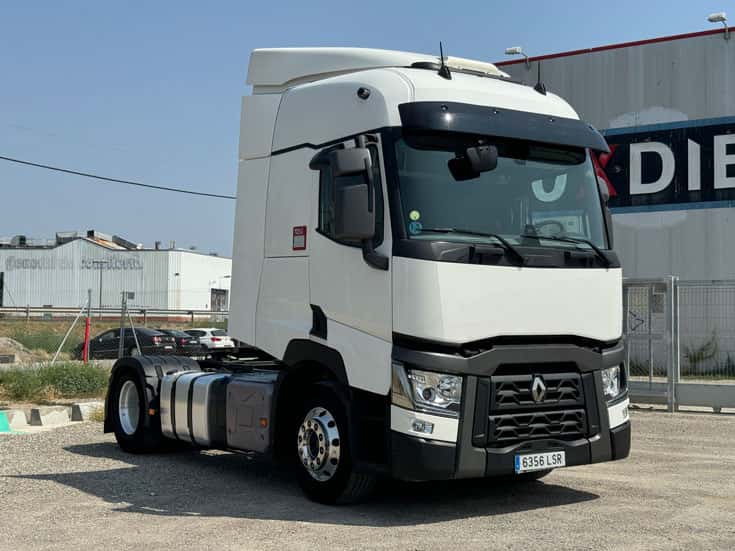
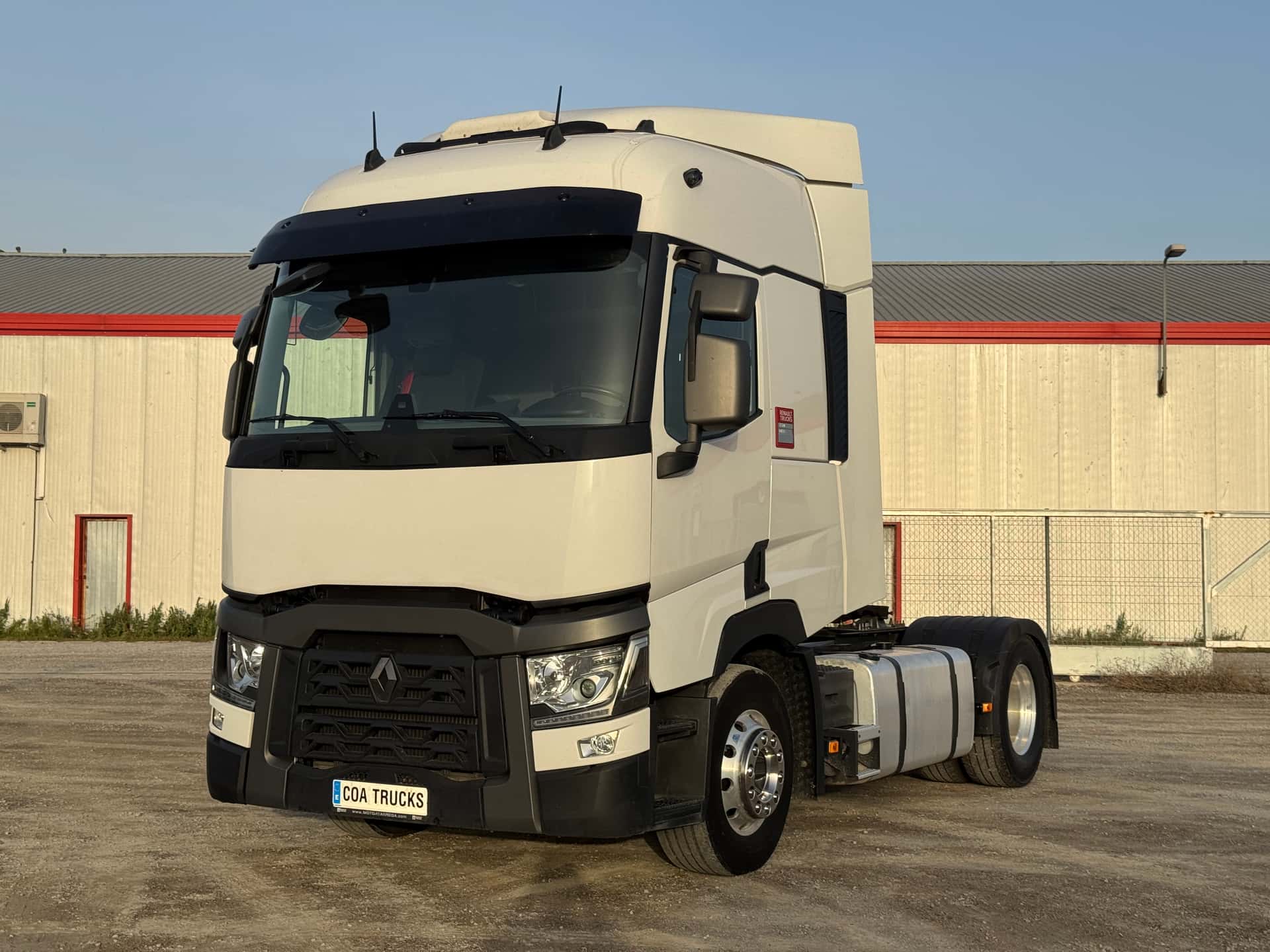
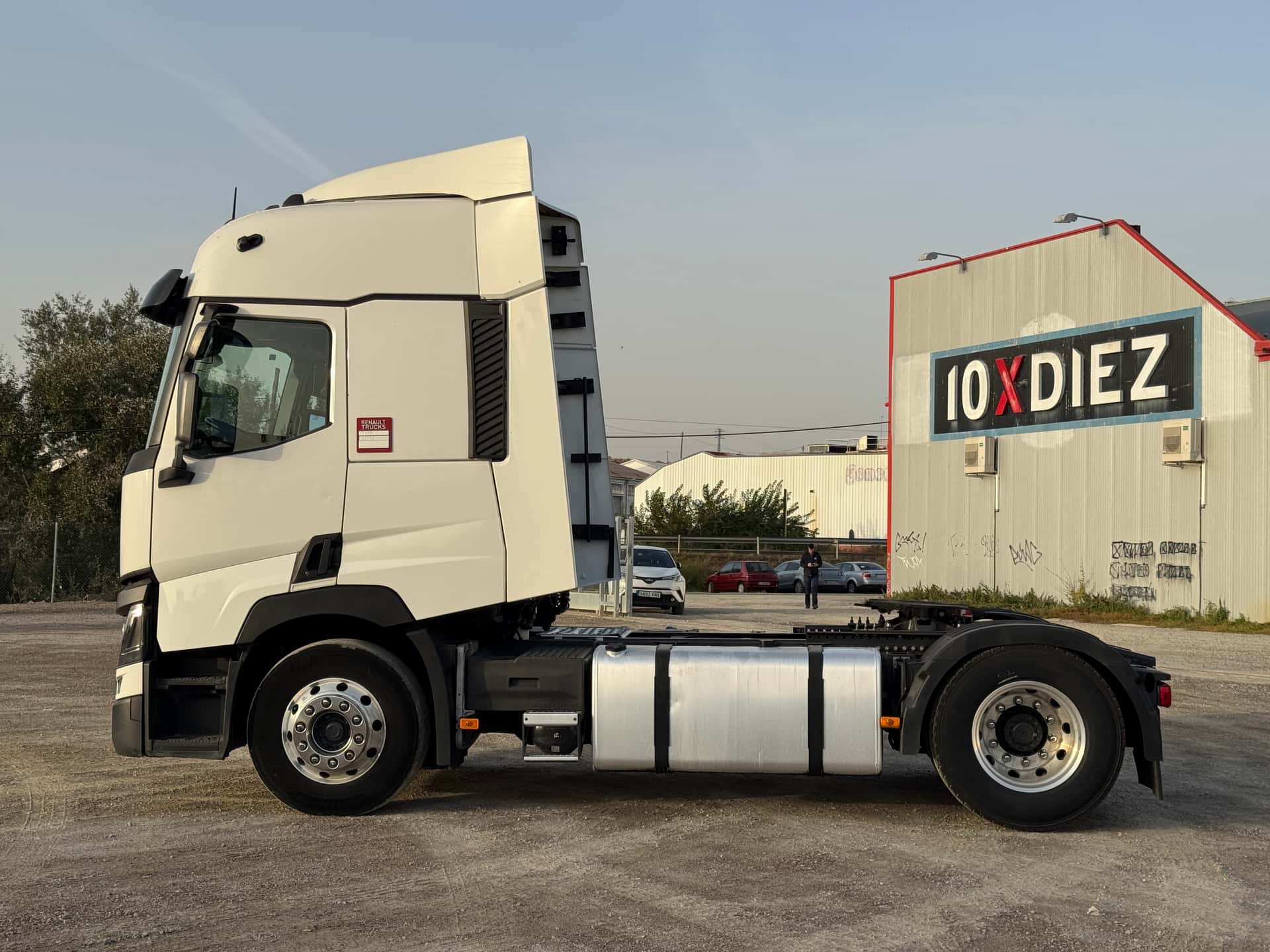
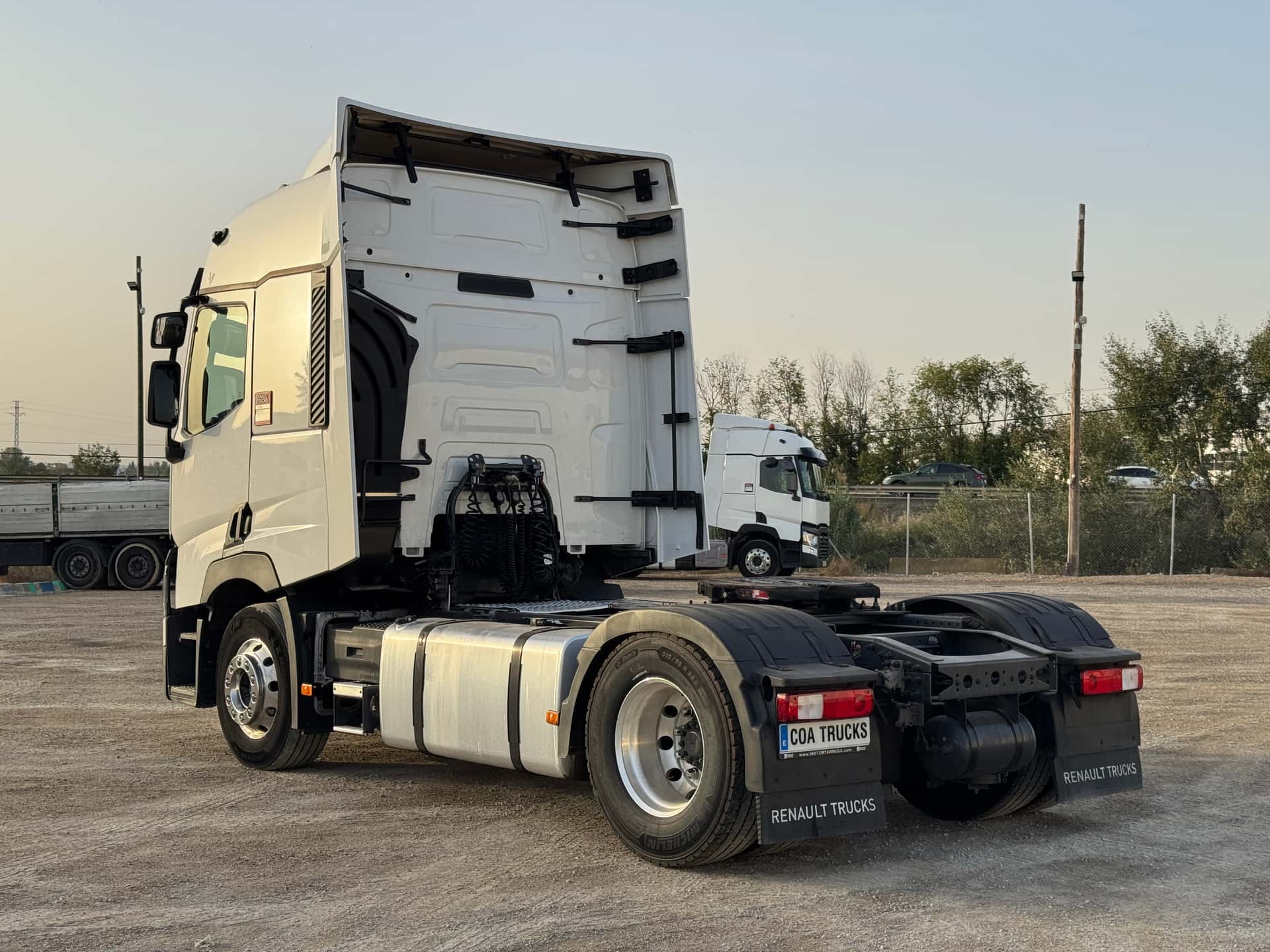
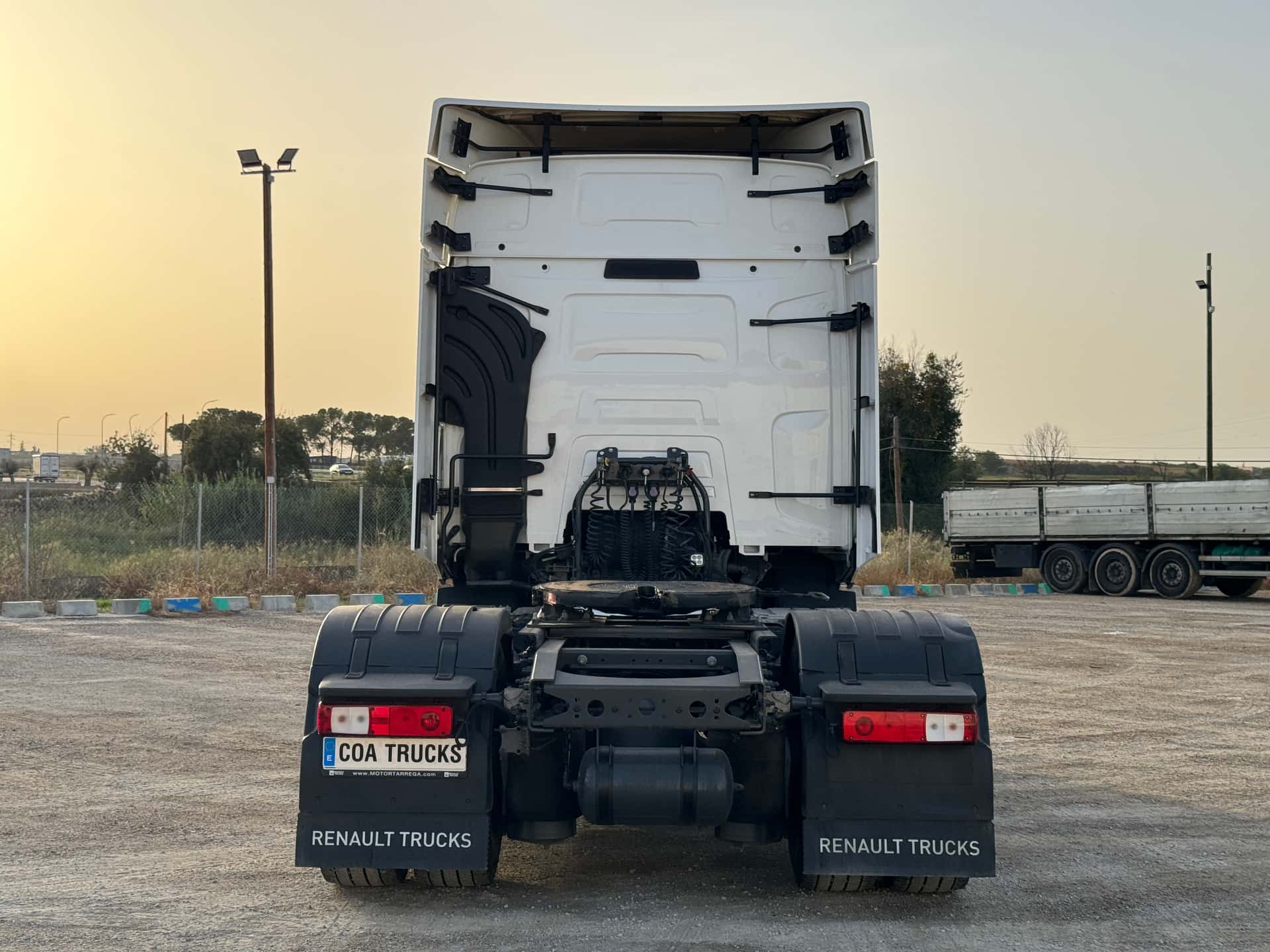
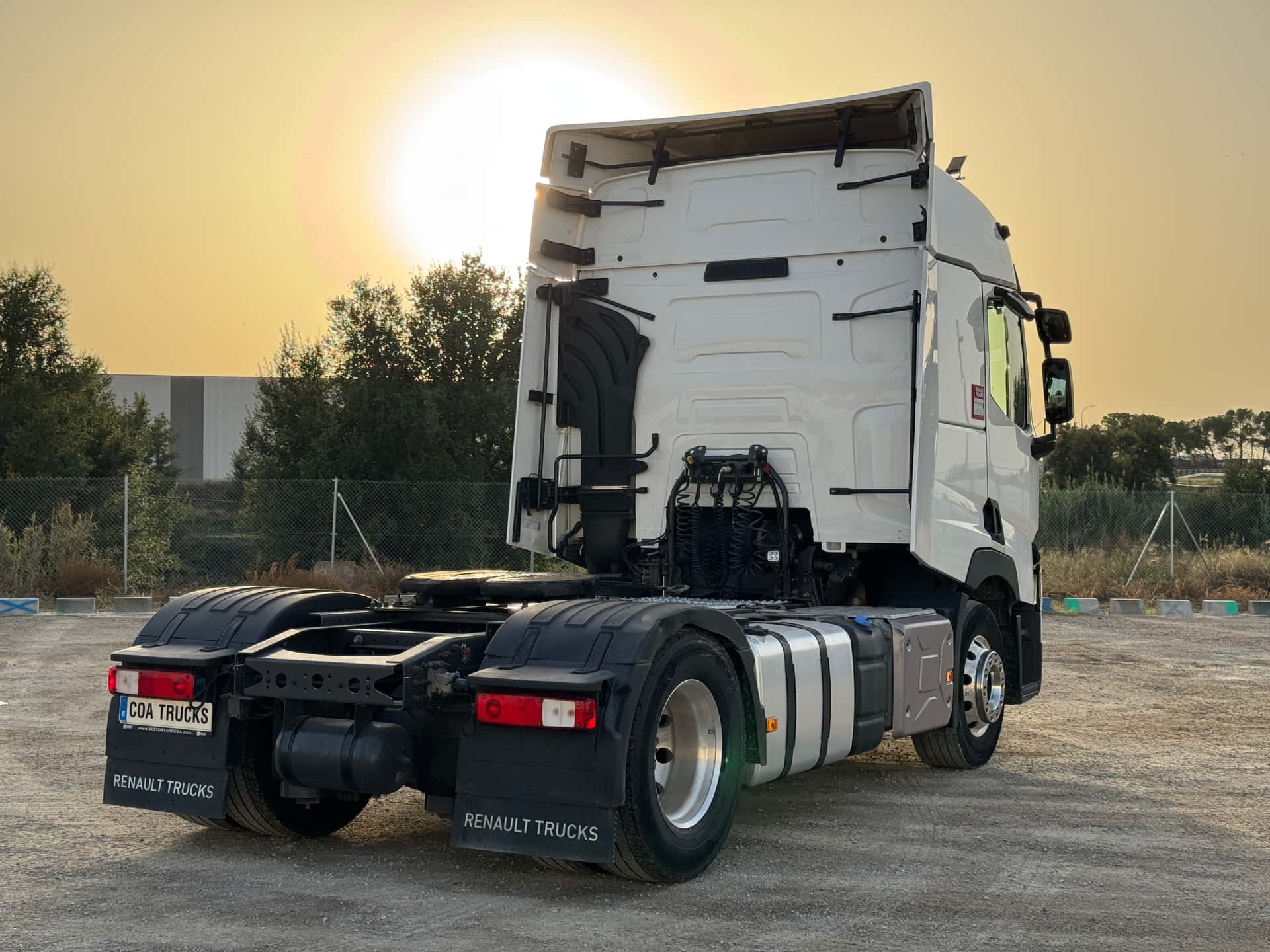
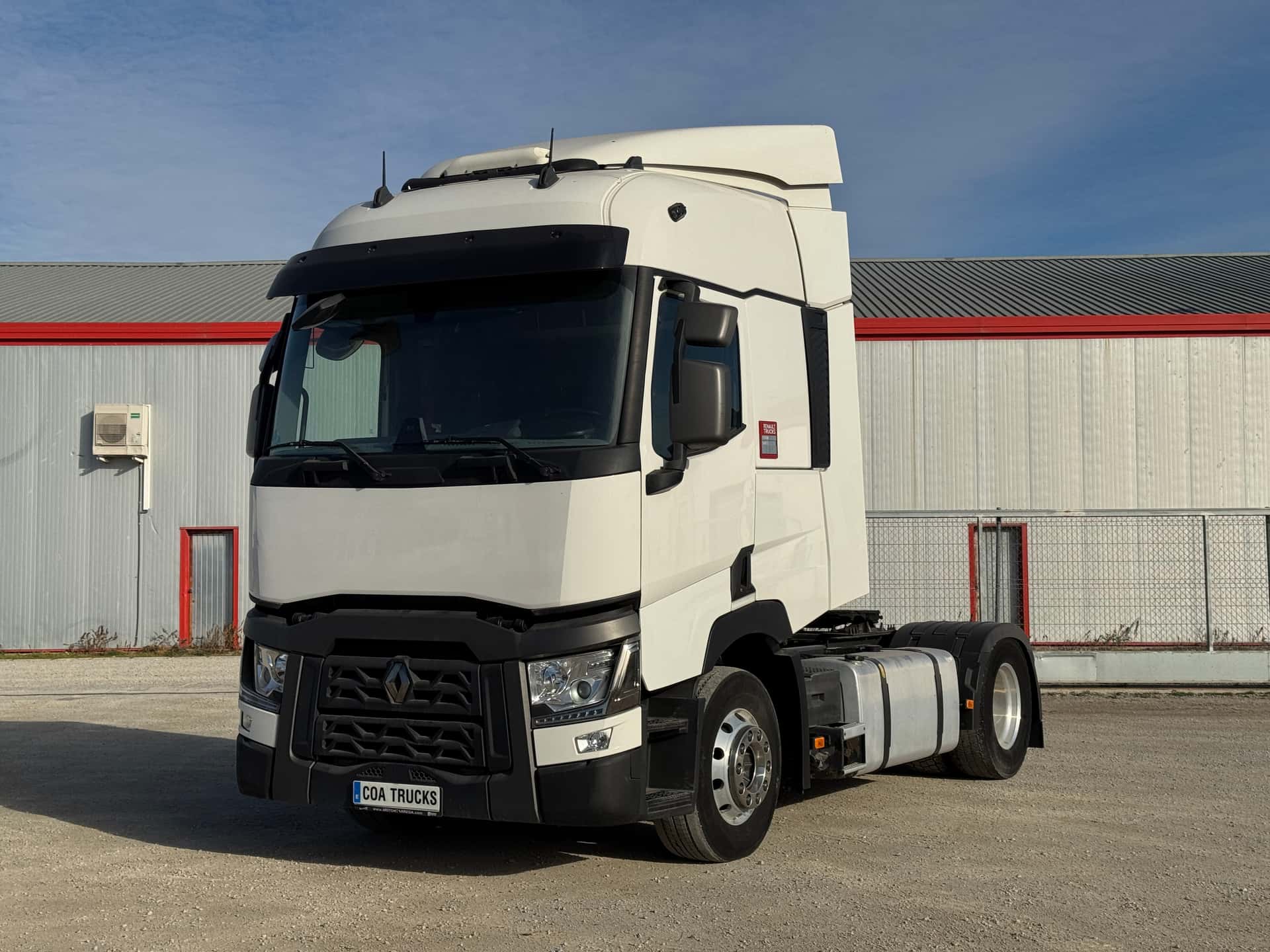
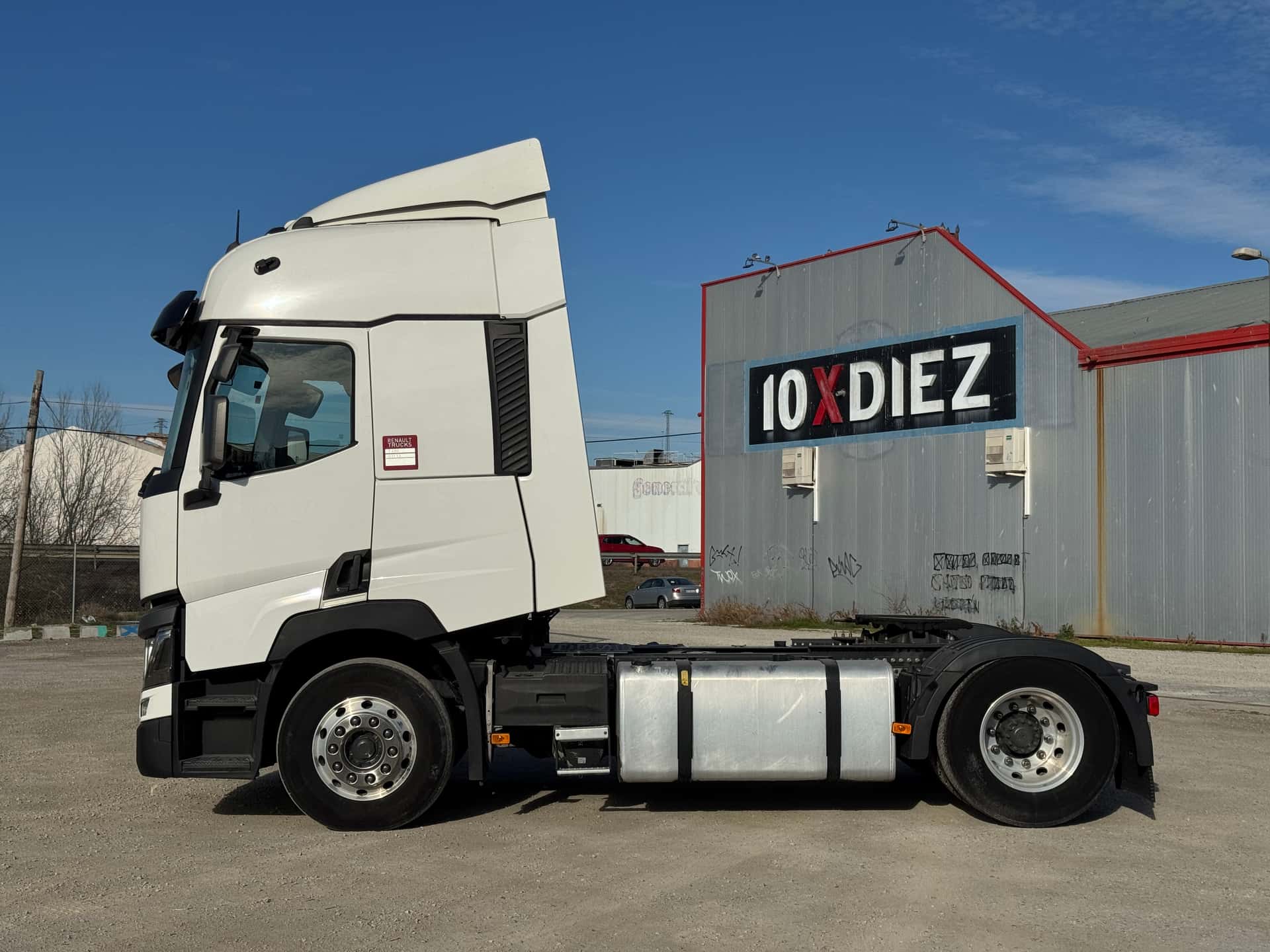
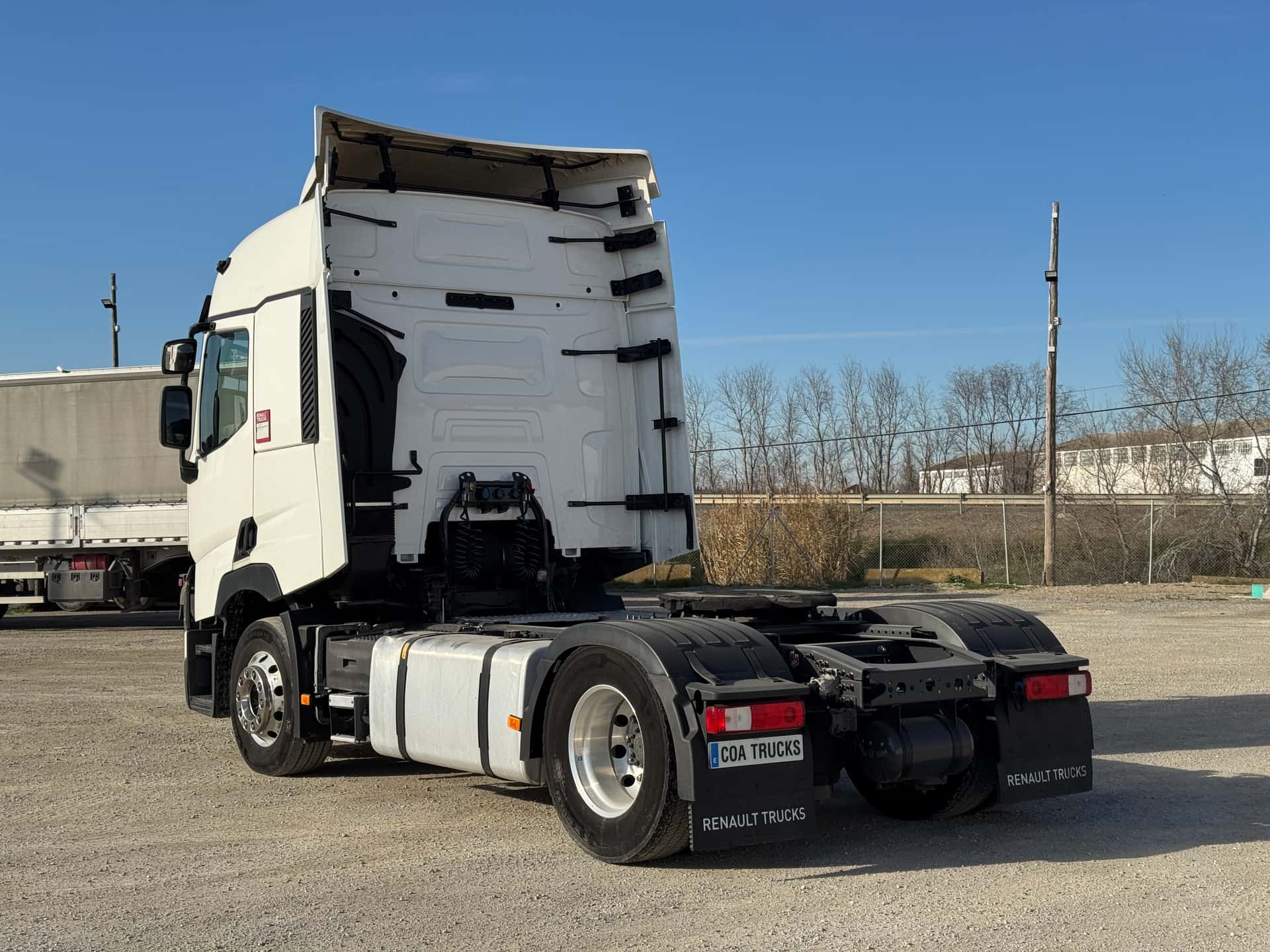
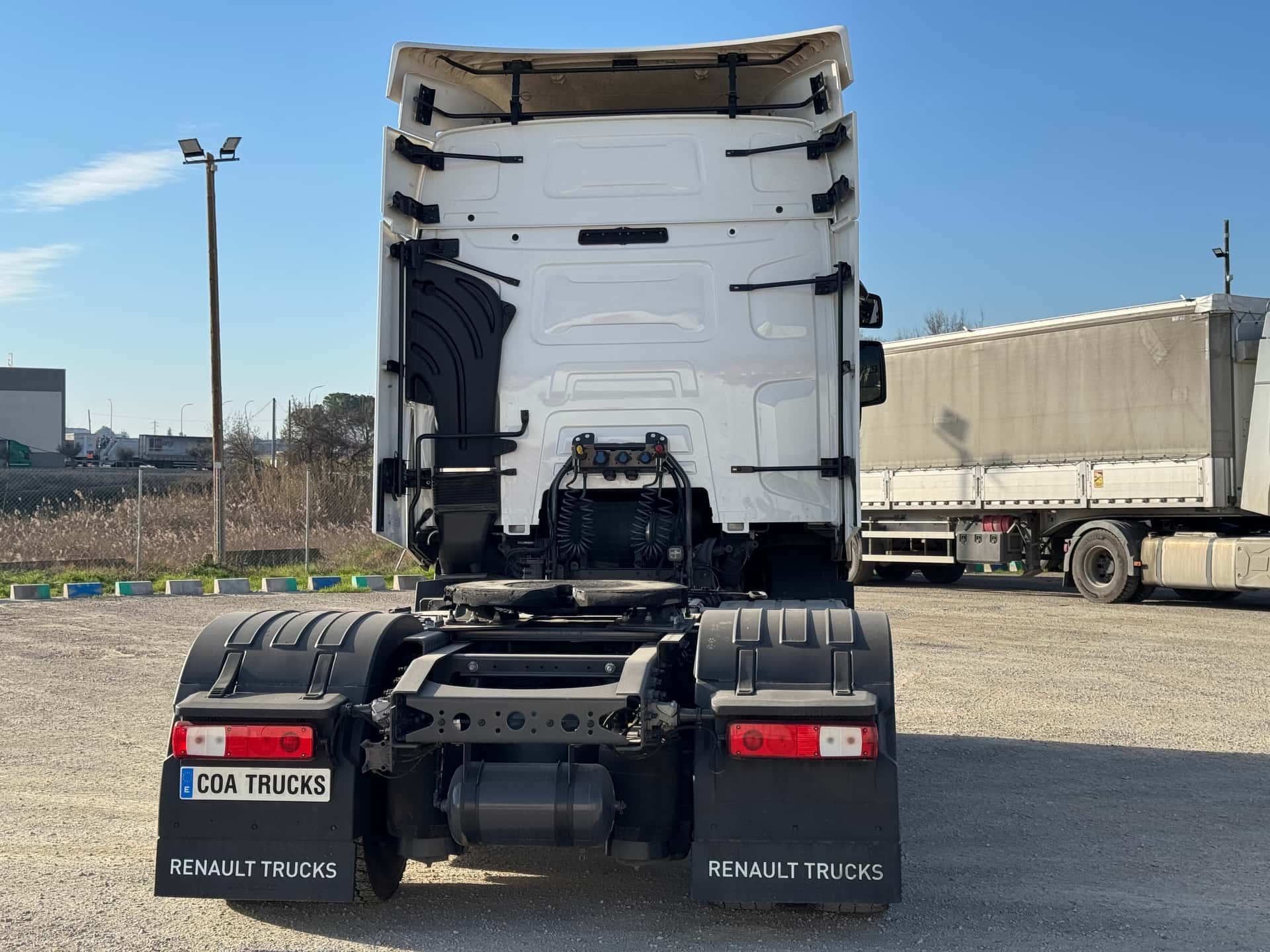
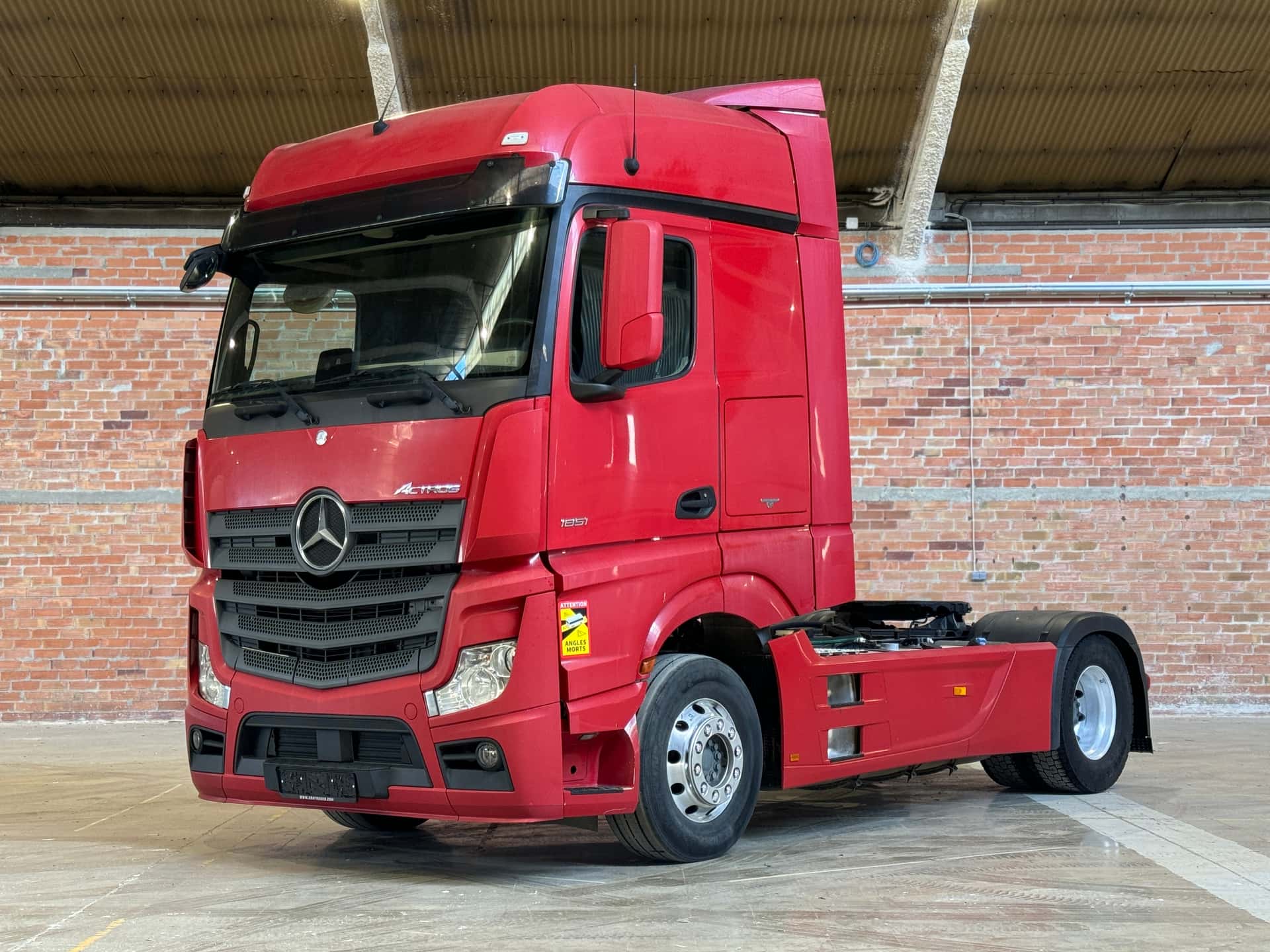
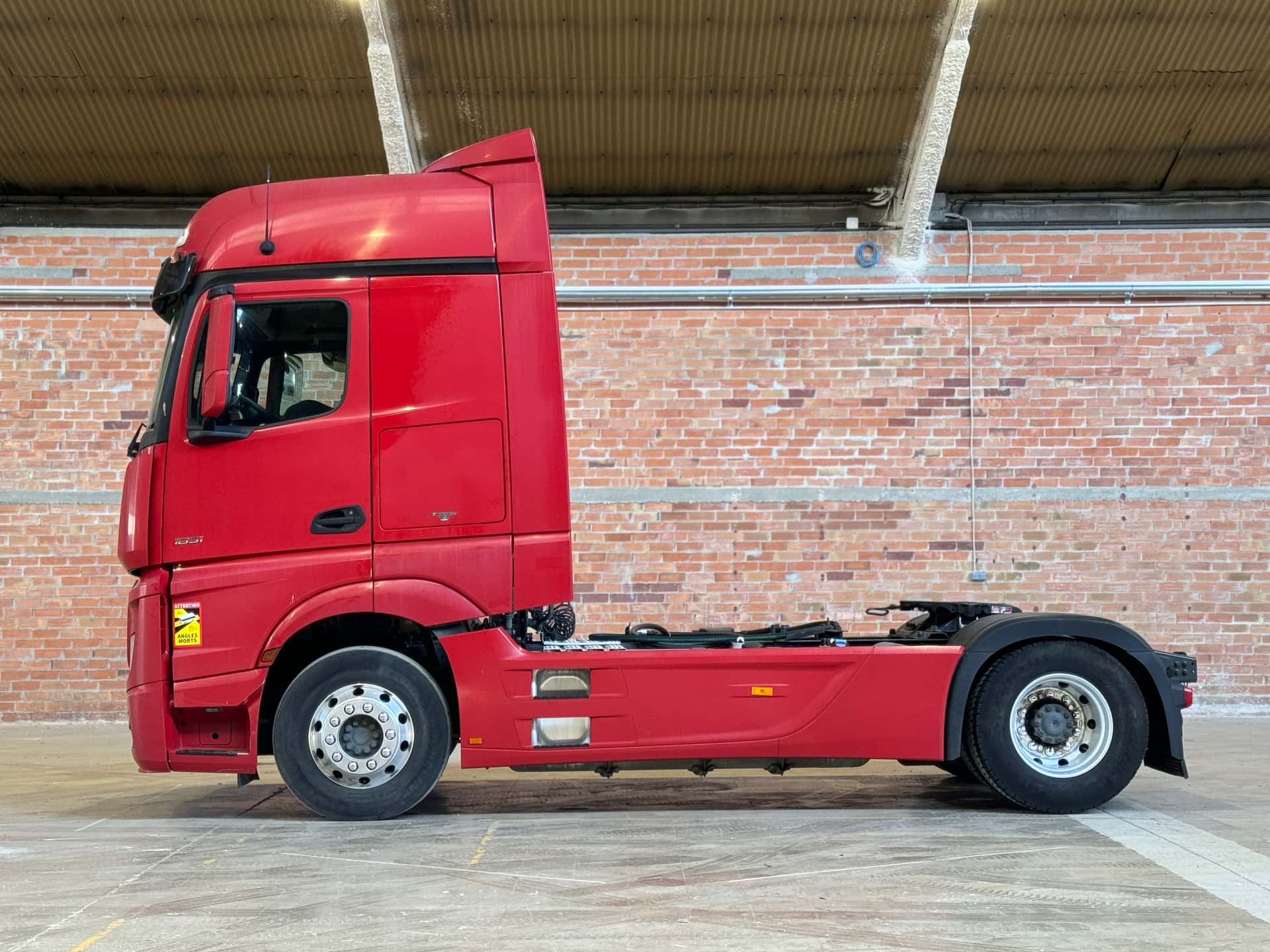
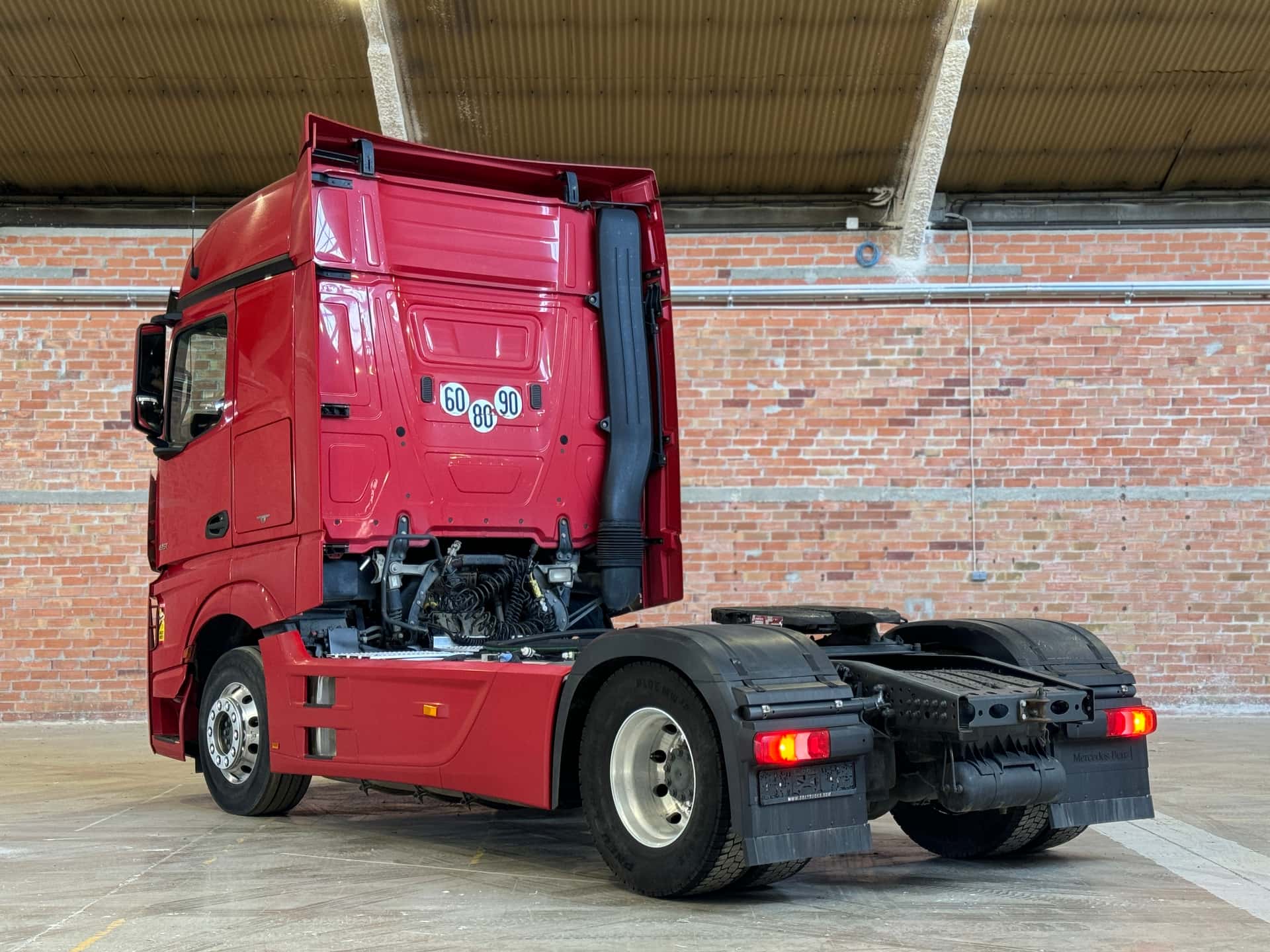
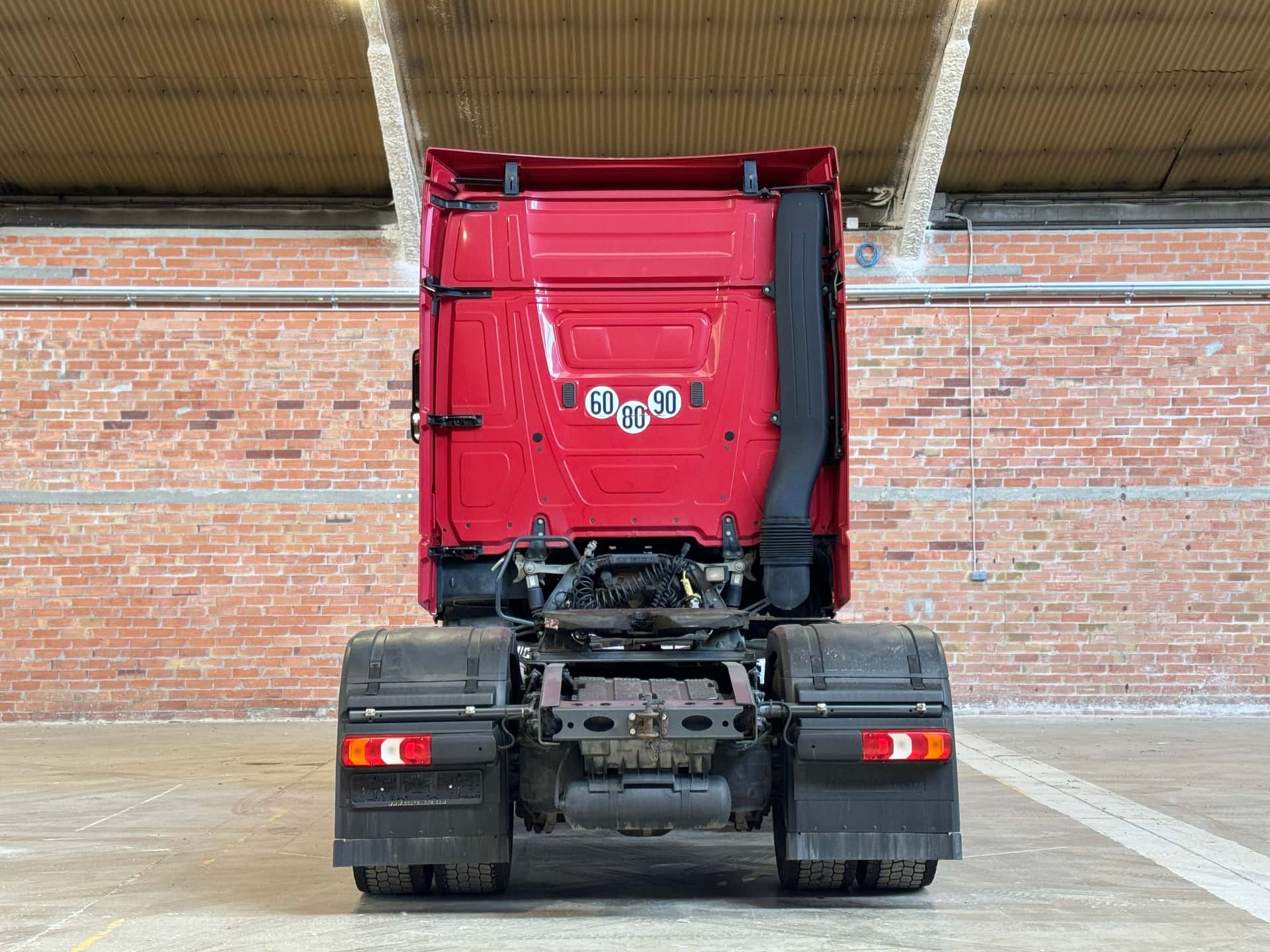
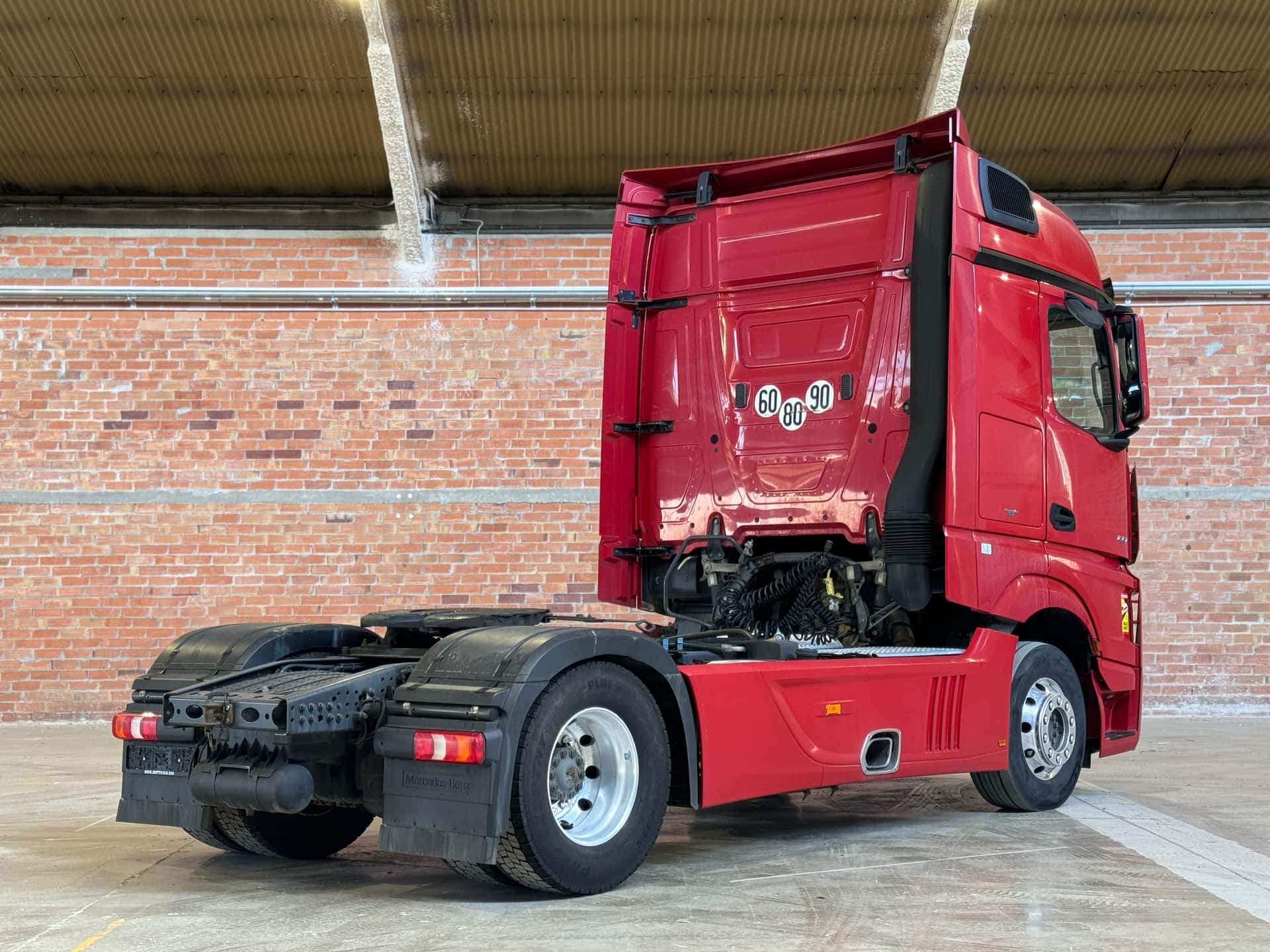
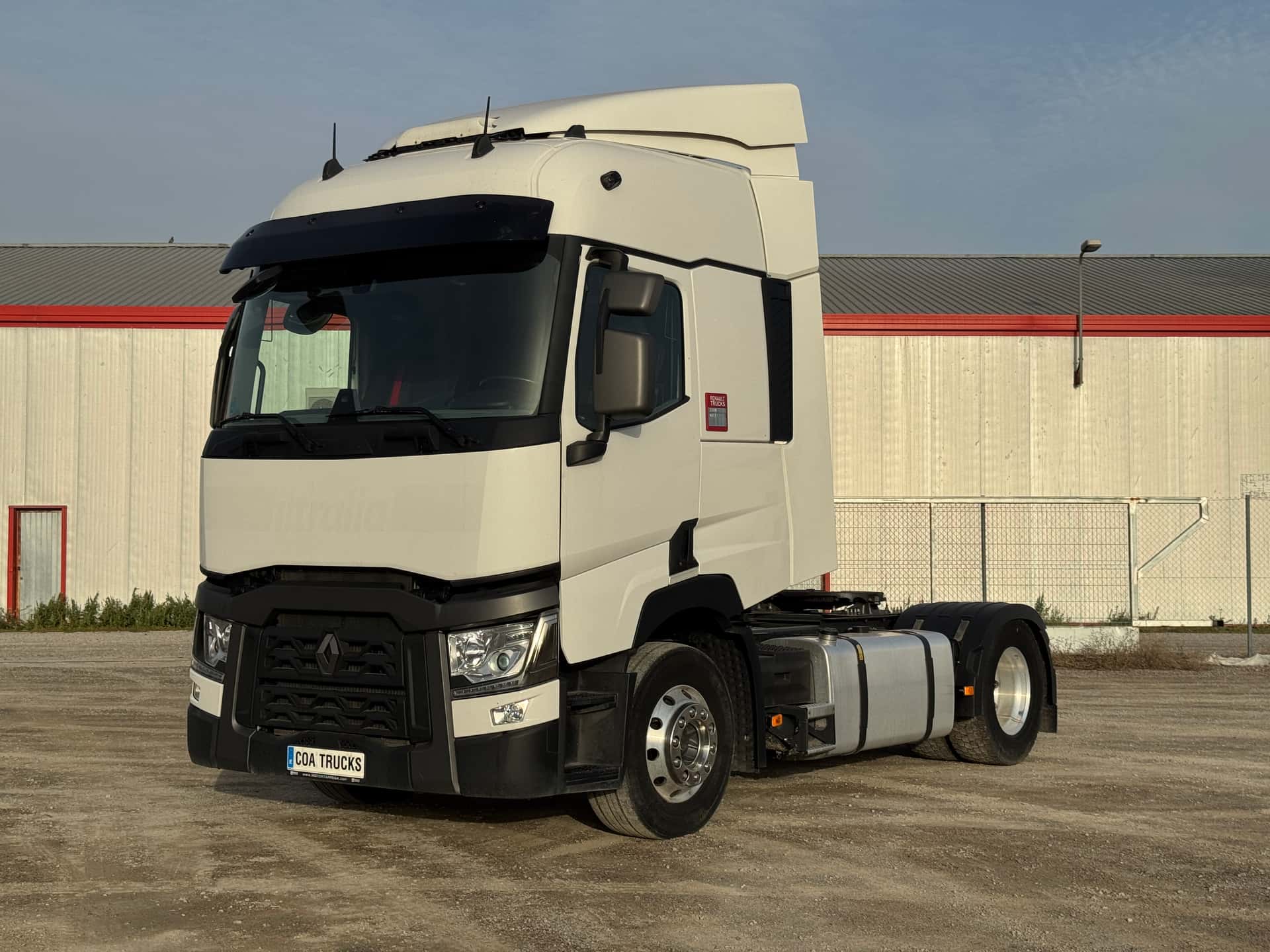
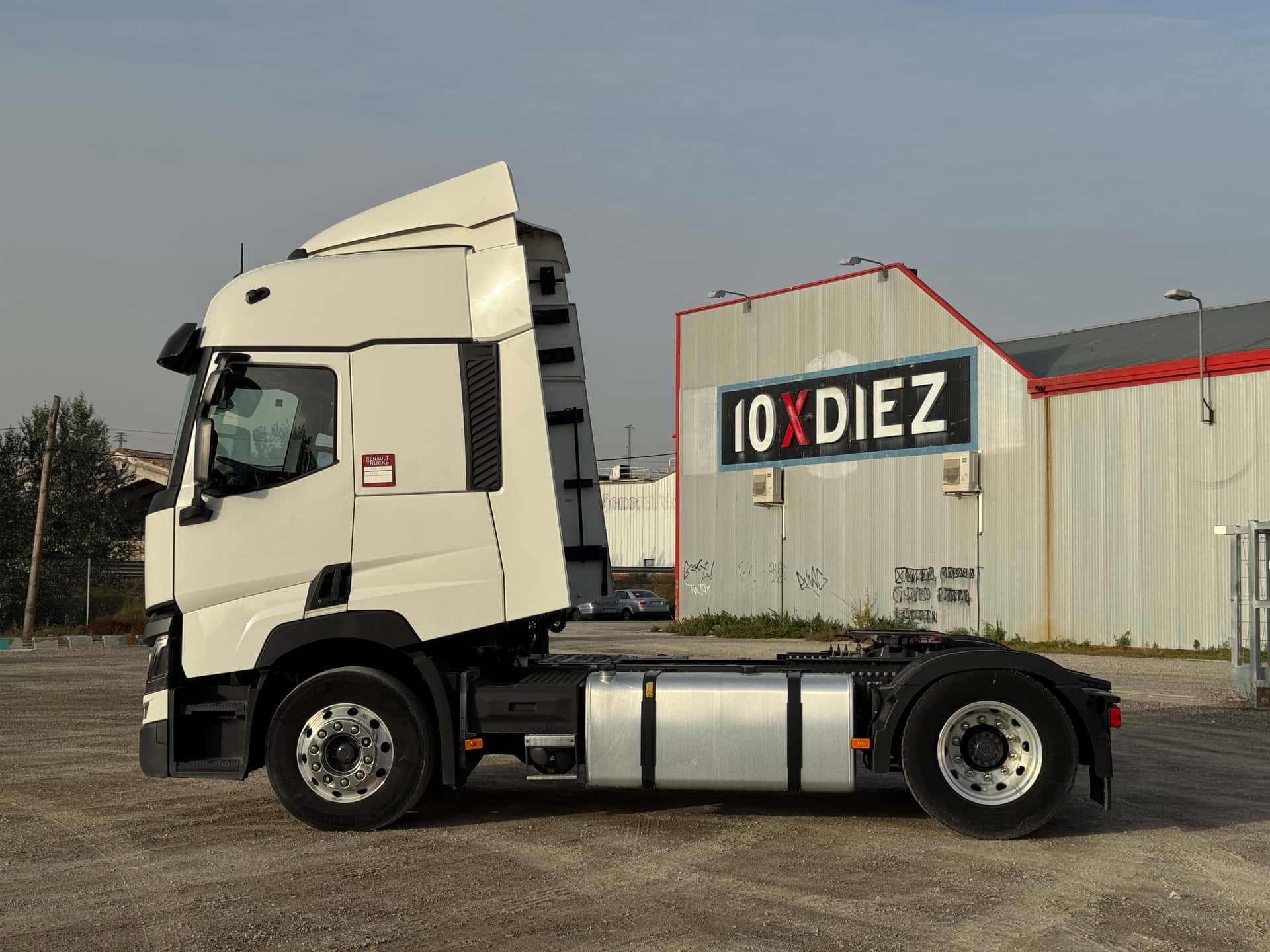
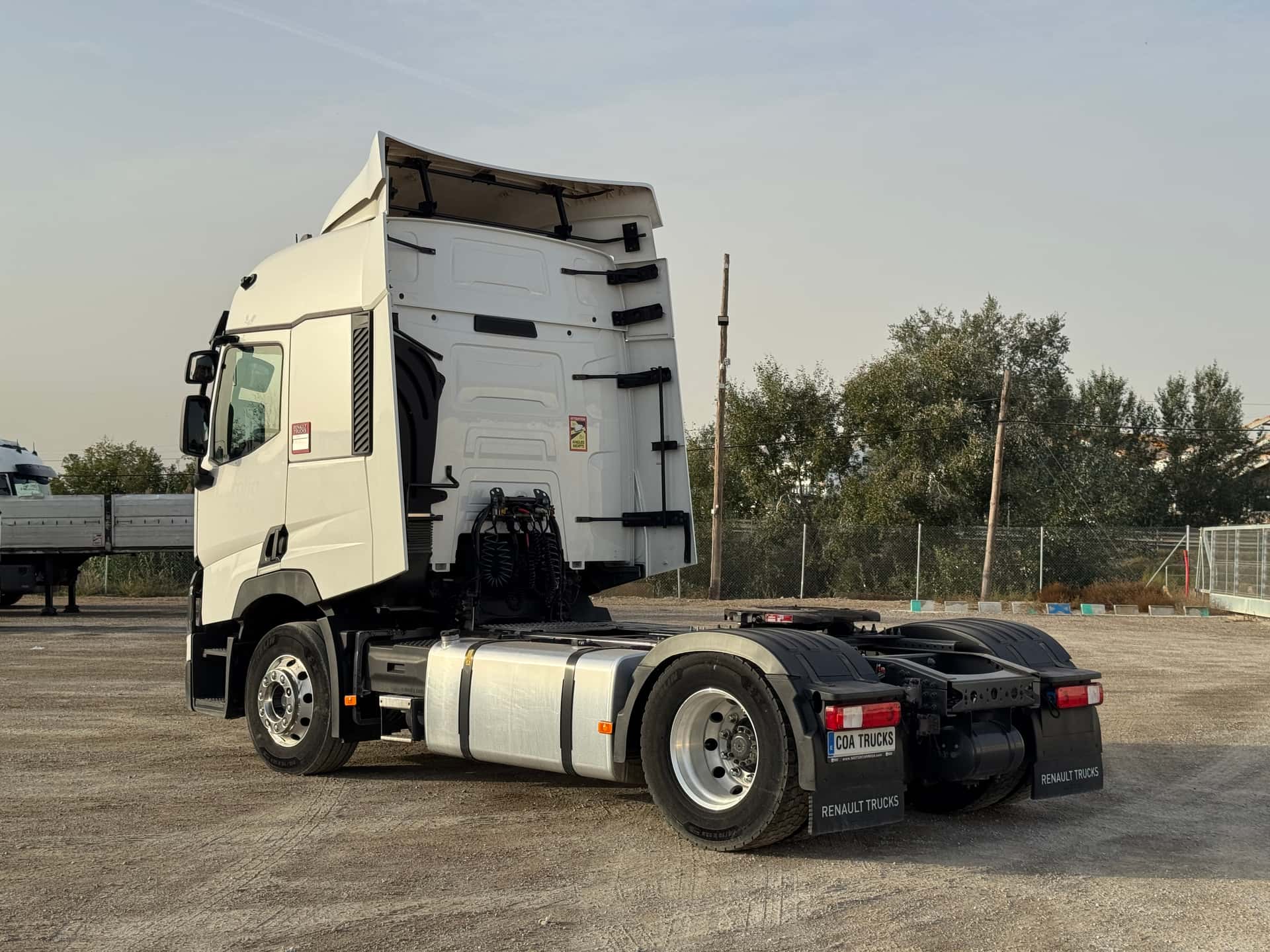
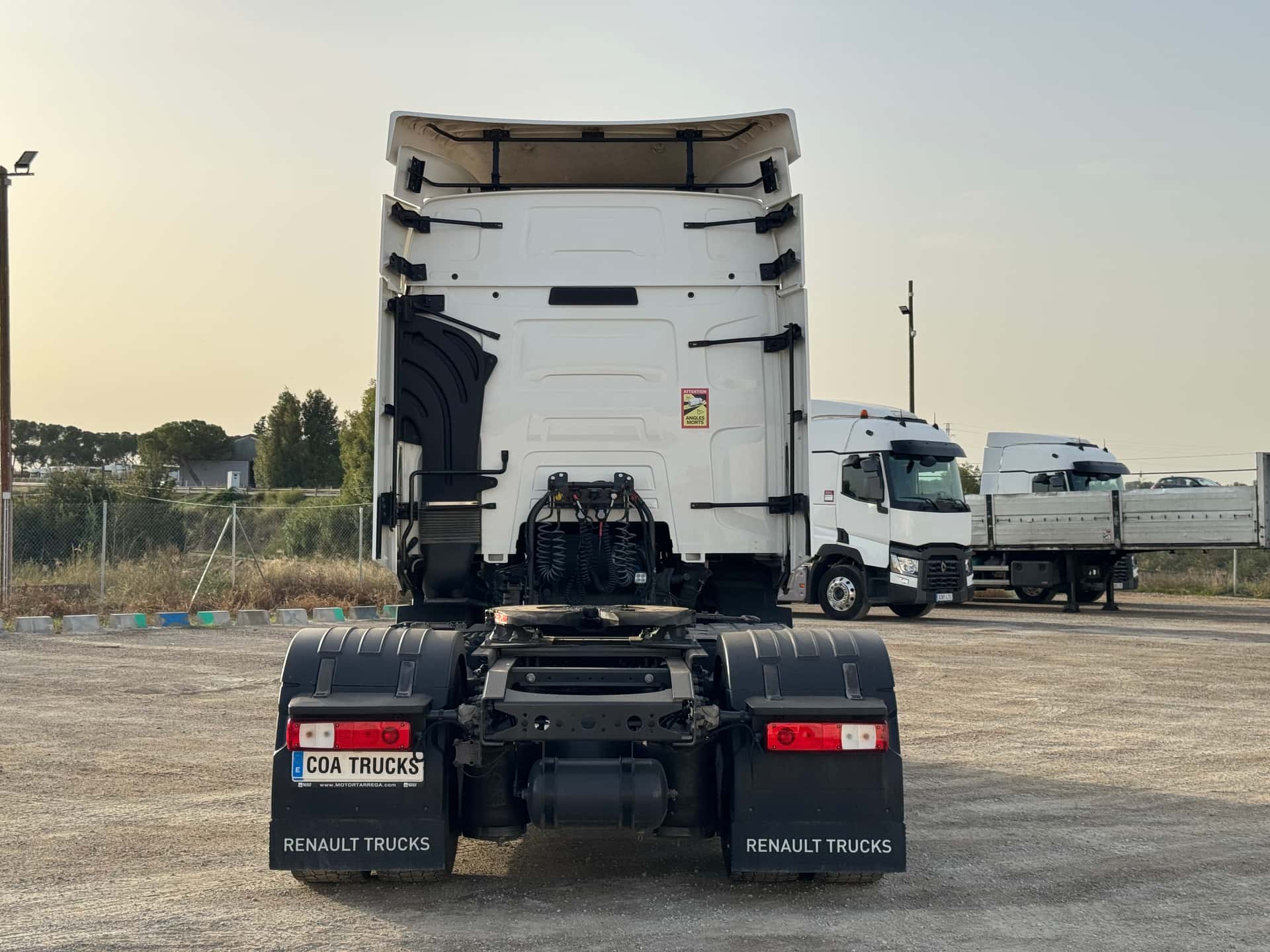
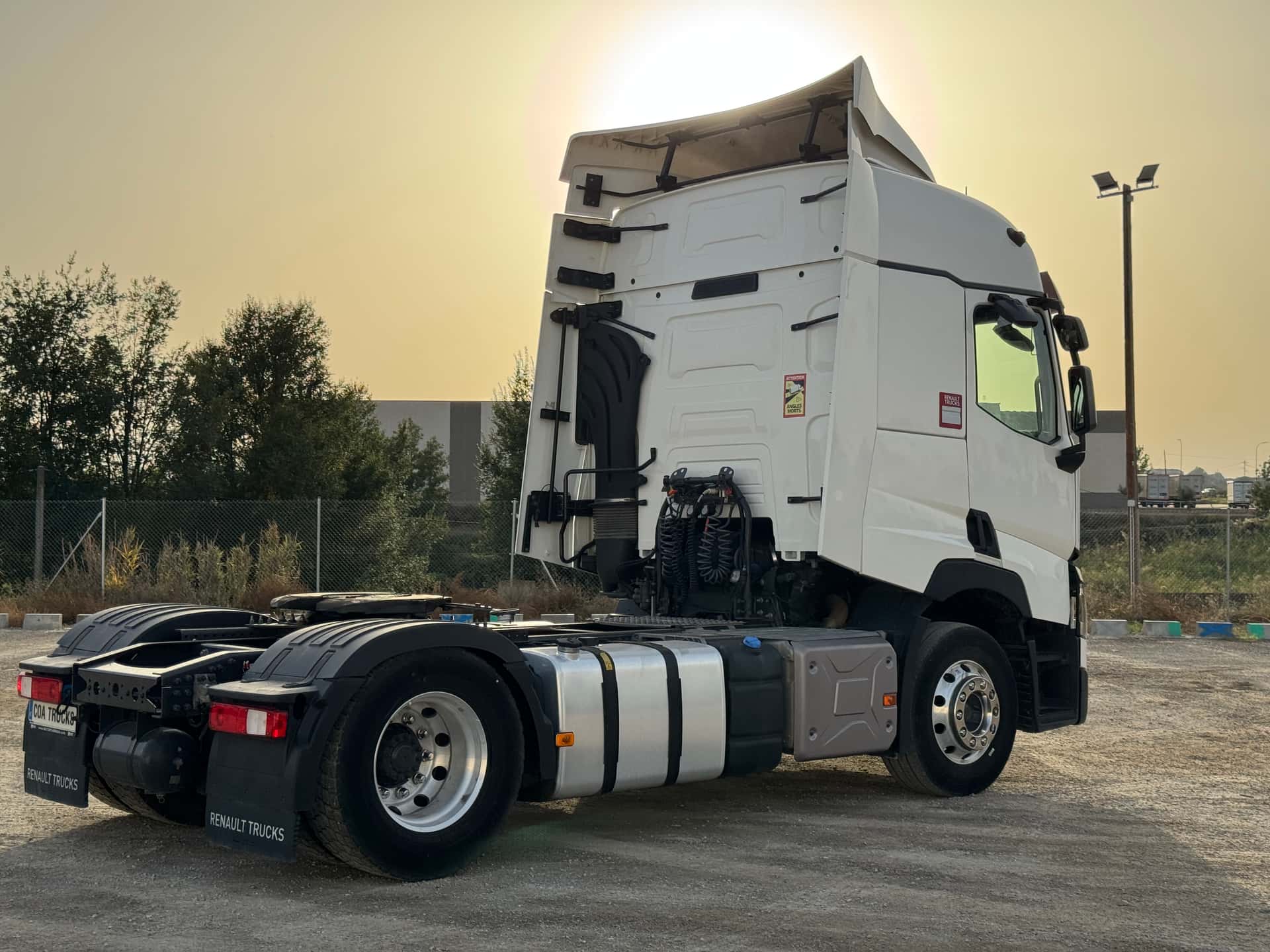
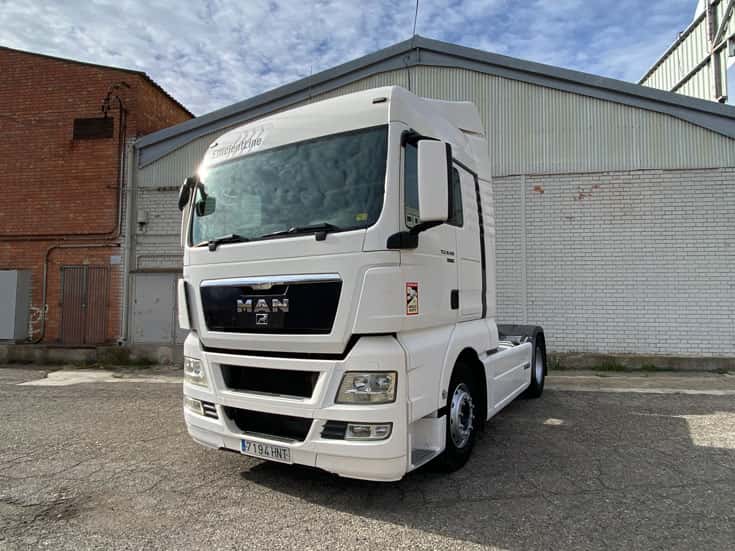
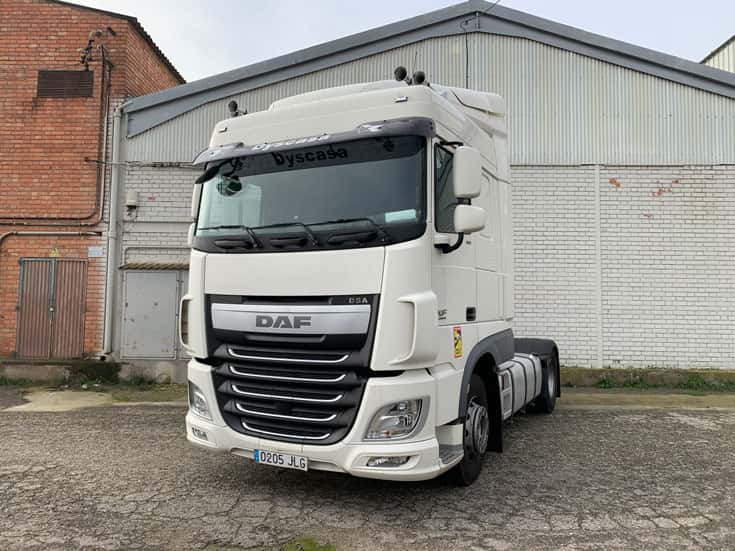
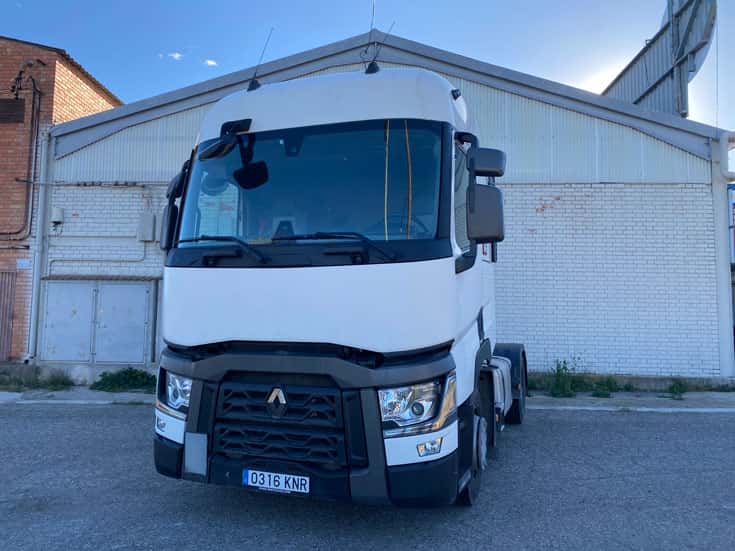
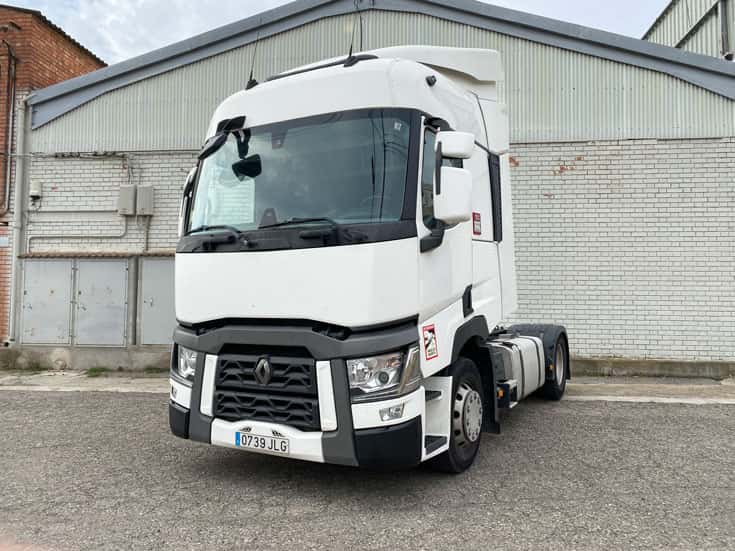
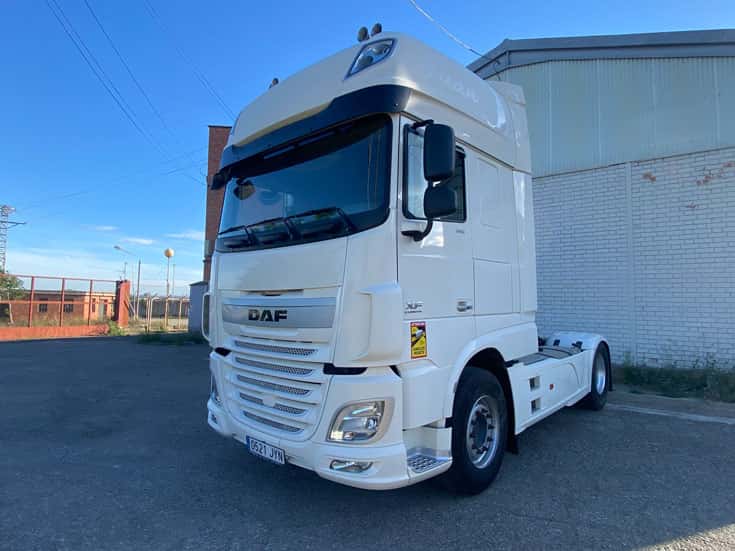
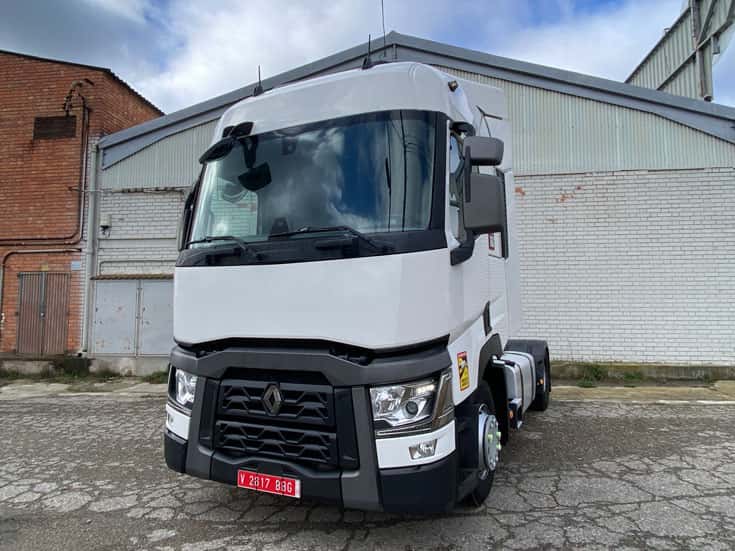
A tractorhead (tractor unit) is the motorised vehicle designed to haul semi-trailers in road freight transport. It is the backbone of European international haulage, with configurations ranging from the standard 4x2 for highway use to 6x4 for heavy-duty applications.
The European tractor unit market is dominated by seven major manufacturers, each with distinctive characteristics:
A retarder is an auxiliary electromagnetic or hydrodynamic braking system fitted to the driveline. It reduces service brake wear by up to 90% on mountain routes, significantly improving safety and reducing maintenance costs. The main types are the hydrodynamic retarder (Voith, ZF), the intarder integrated into the gearbox (ZF, Mercedes) and the engine brake with exhaust valve (Jake Brake). For long-distance international transport, a retarder is practically essential.
The power take-off transmits engine power to auxiliary equipment such as hydraulic pumps, compressors or generators. It is essential for tractor units working with tipper trailers, pressure-discharge tankers or refrigeration units. The most common configurations are gearbox-dependent PTO (only works with the vehicle stationary) and engine-independent PTO (works while driving).
Euro standards regulate pollutant emissions from heavy vehicles in the European Union. Euro 6 (in force since 2014) requires post-treatment systems such as SCR (Selective Catalytic Reduction) with AdBlue and DPF particulate filters. Euro 5 and earlier vehicles face circulation restrictions in low-emission zones (LEZ) in European cities. The upcoming Euro 7, planned for 2027, will further tighten NOx and particulate limits.
The standard configuration for long-distance transport is 4x2 (two axles, rear-wheel drive), offering the lowest kerb weight and fuel consumption. For more demanding applications, 6x2 (three axles, one steered) is ideal when greater payload is needed. The 6x4 (three axles, twin drive) is used in construction and off-road, as is the 4x4 for full off-road capability.
Find used Volvo, Scania, DAF, Mercedes, Renault, MAN and Iveco tractorheads. Shipping across Europe from Lleida, Spain.