


Construction Trucks


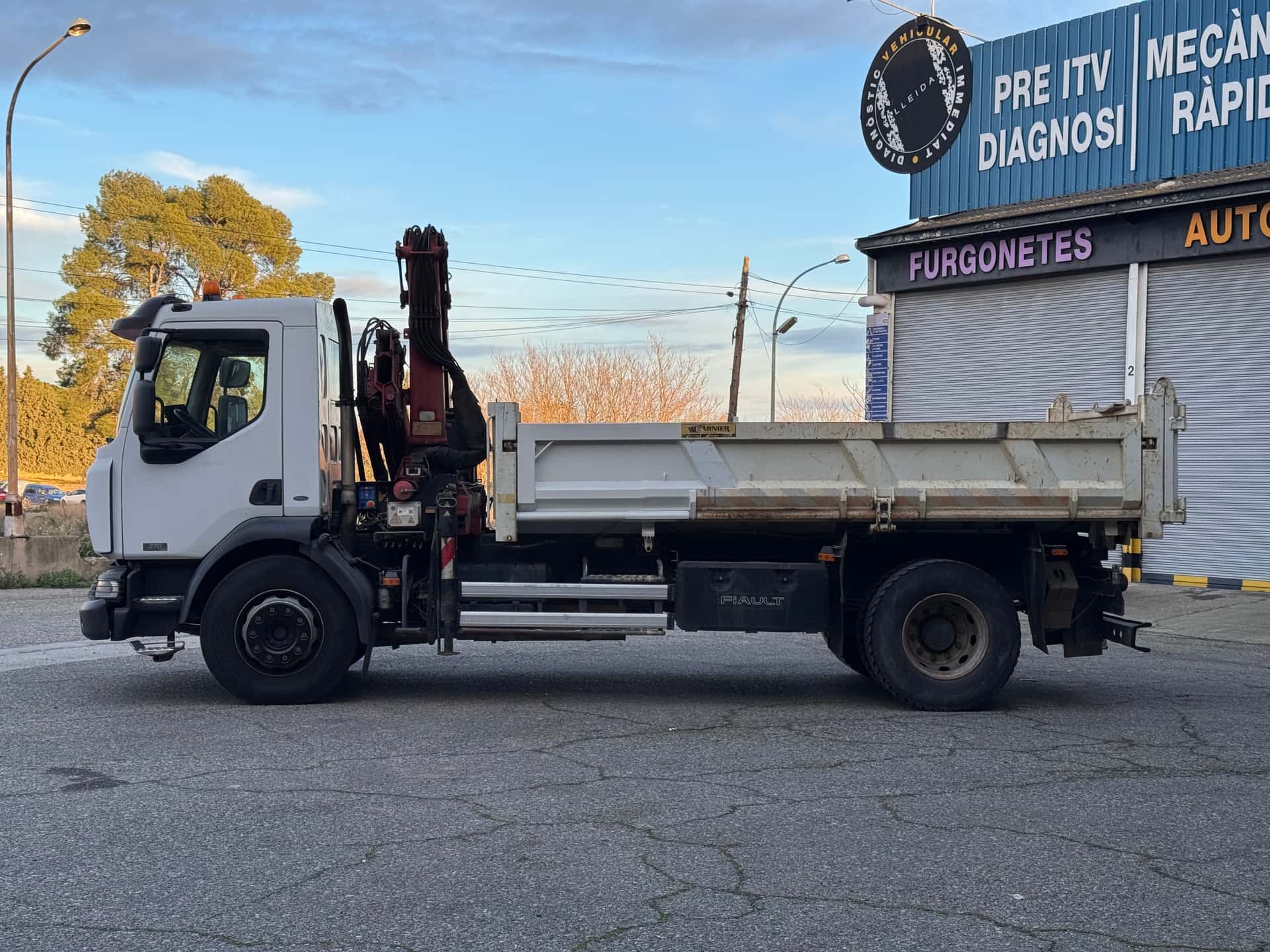
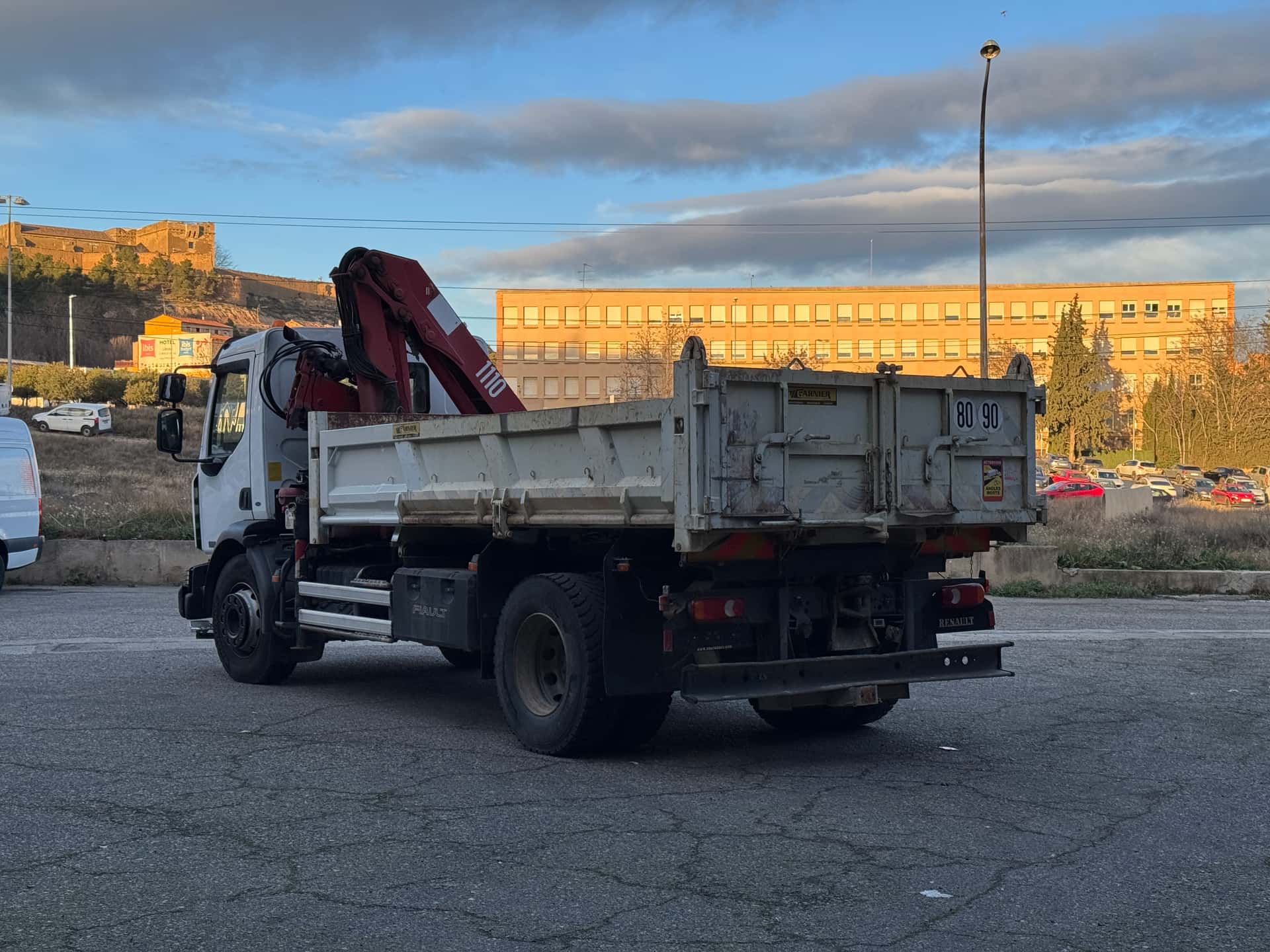
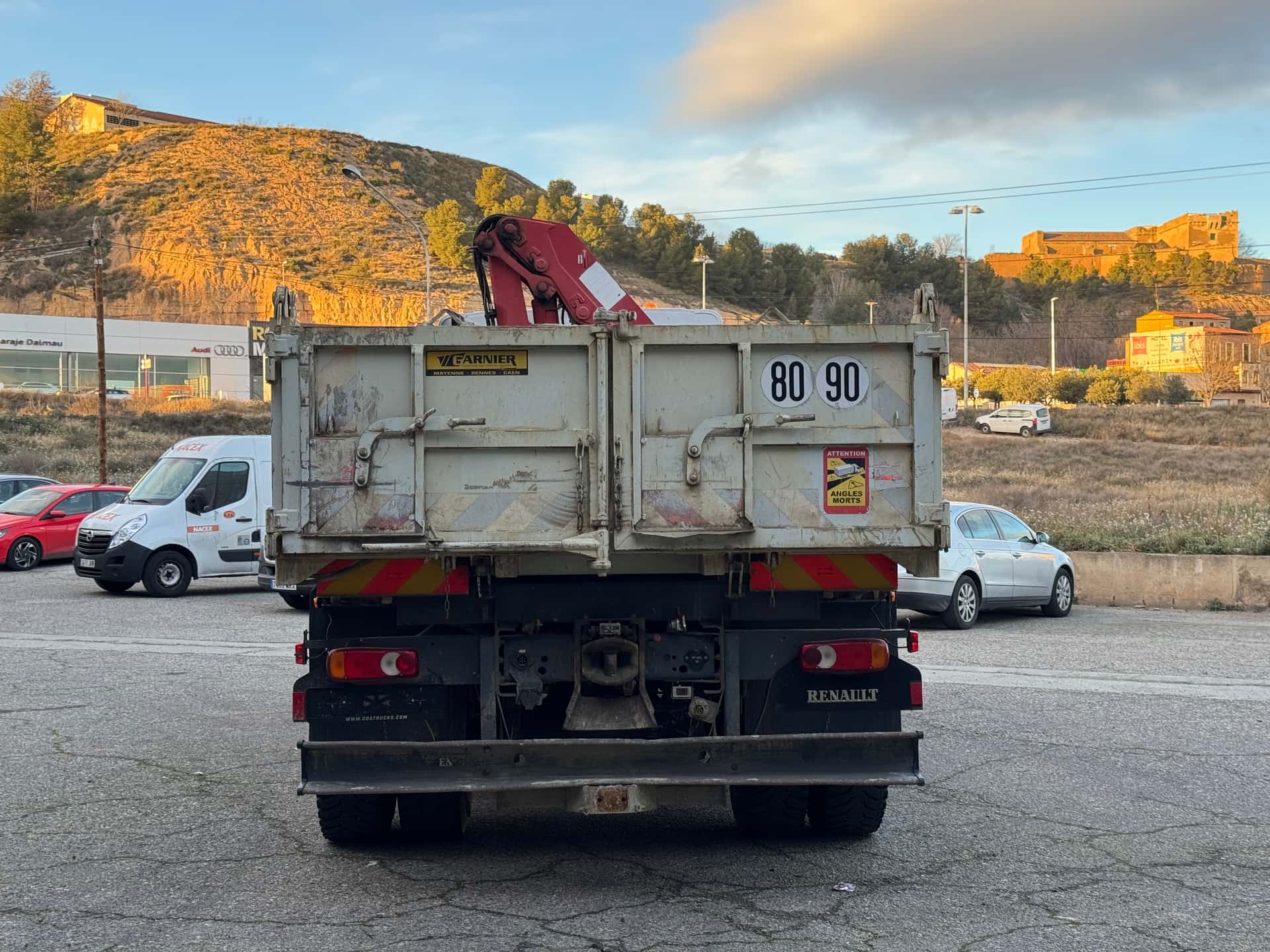
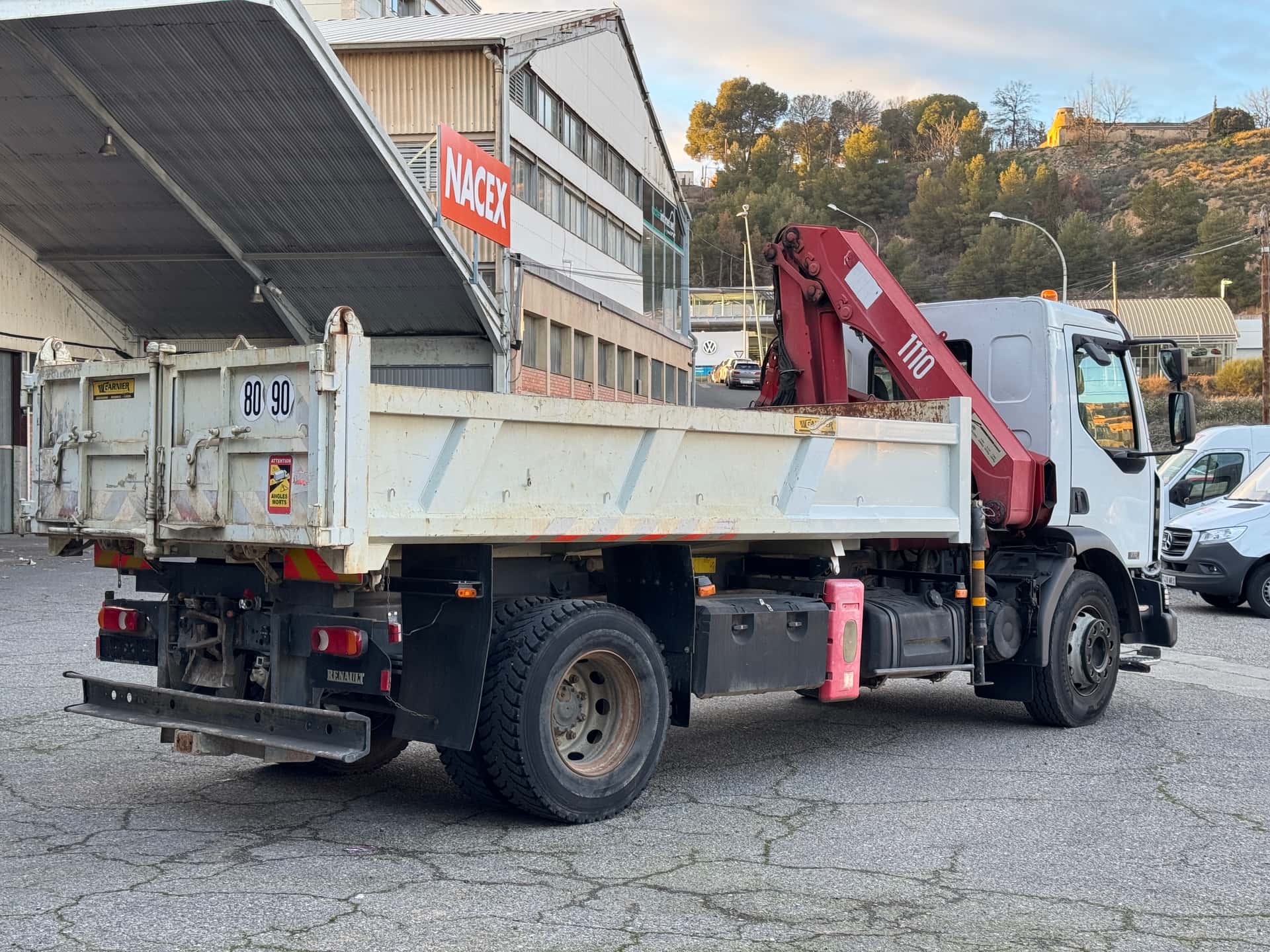
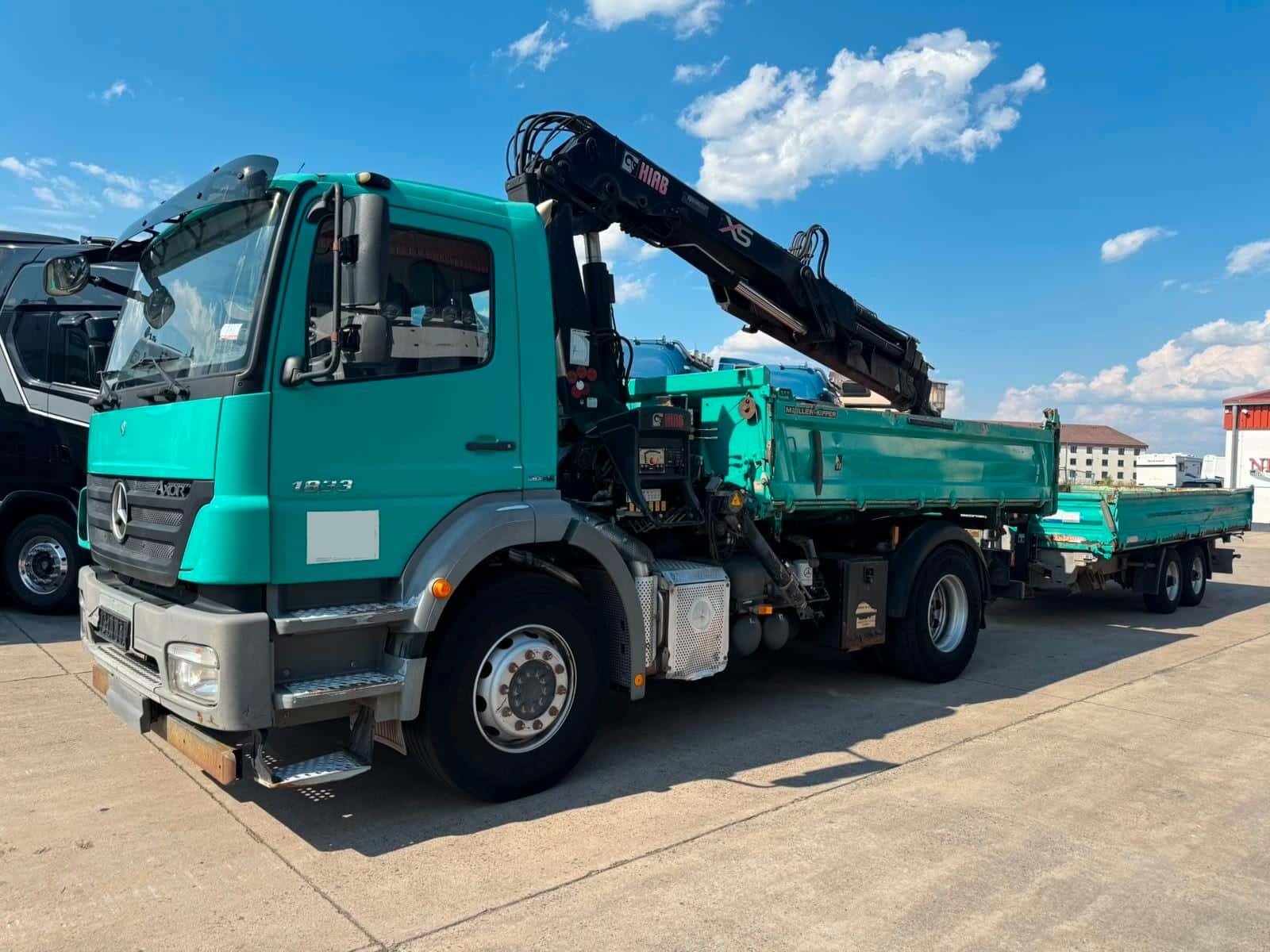
Construction trucks: buying guide
Types of construction trucks
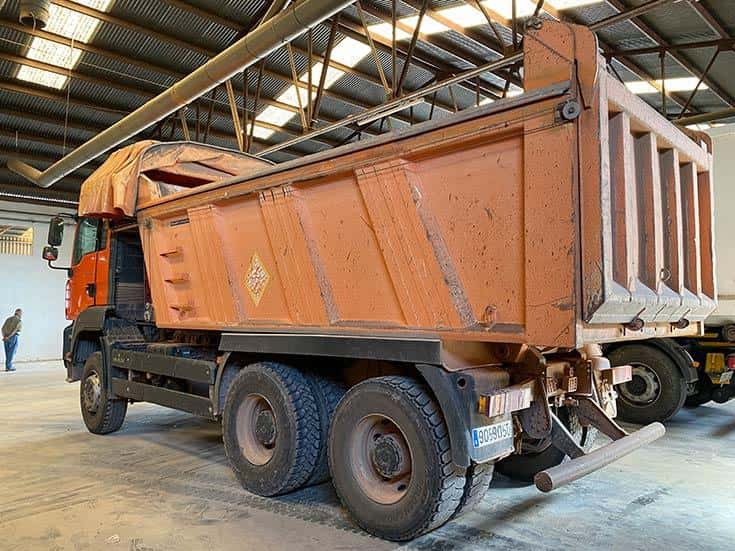
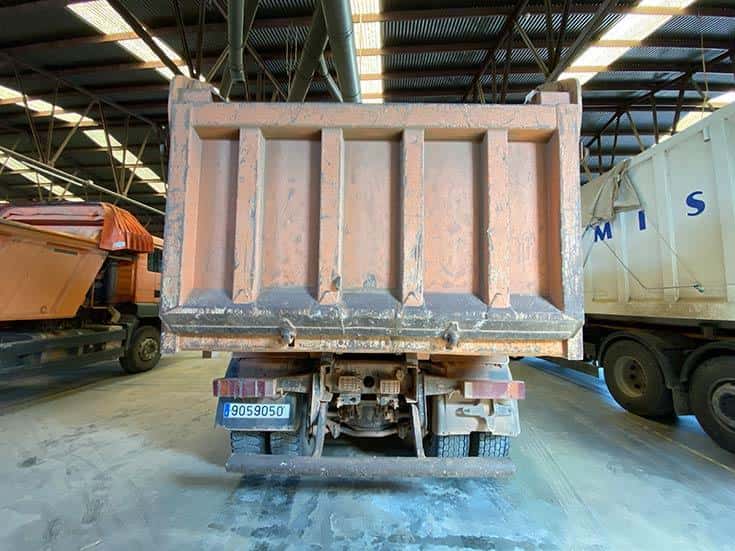
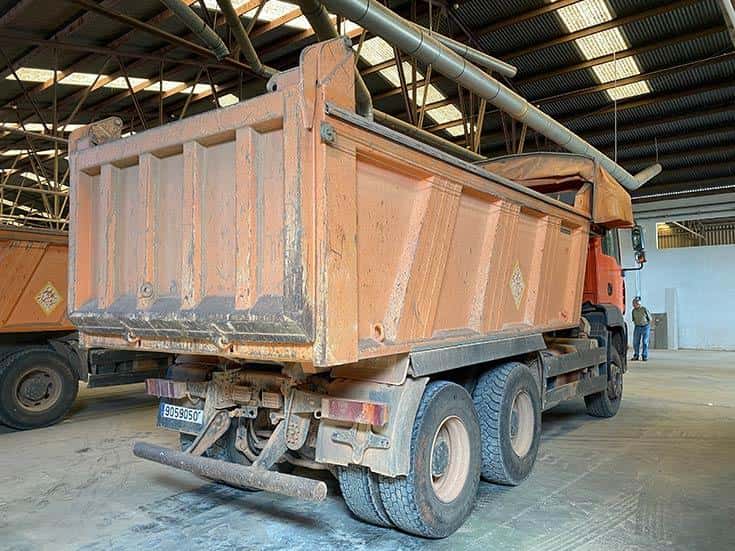
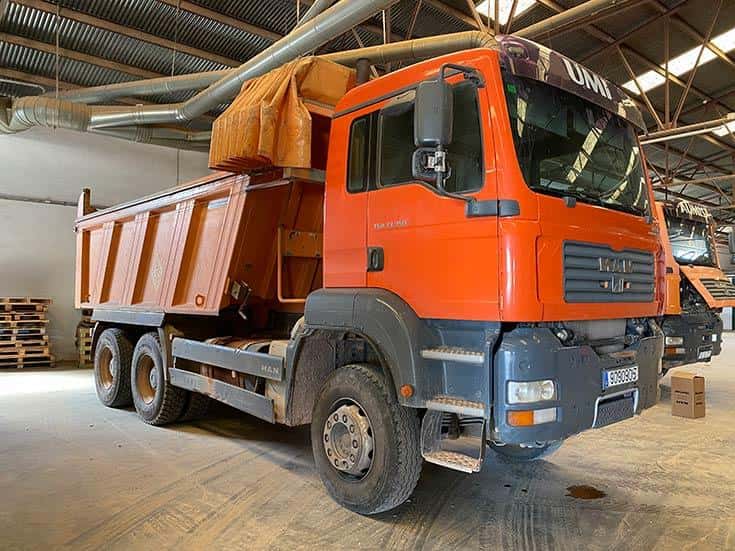
The construction and civil engineering sector uses four main types of rigid truck. The tipper or dump truck, fitted with Meiller, Cantoni or Marrel bodies, carries aggregates, soil and rubble with capacities from 10 to 20 cubic metres. The off-road dumper is designed to operate on unsurfaced sites with reinforced suspension and underbody protection. The concrete mixer features a rotating drum of 7 to 12 cubic metres on a 6x4 or 8x4 chassis with an independent hydraulic system. The concrete pump truck, manufactured by Putzmeister, Schwing or CIFA, delivers concrete to heights of 24 to 60 metres using articulated boom arms.Drivetrains and chassis for construction
Construction trucks require robust drivetrain configurations. The most common is 6x4 for standard site tippers, while off-road applications demand 6x6 with differential locks. For maximum payload the 8x4 with twin rear axles is used. Manufacturers offer dedicated construction ranges: Mercedes Arocs, MAN TGS, Scania XT, Iveco Trakker, Renault K and Volvo FMX. Engines range from 320 to 530 hp with manual or automated transmissions such as TraXon, Opticruise or I-Shift. Rear suspension is typically mechanical with leaf springs for maximum durability.Maintenance and regulations
Construction trucks experience accelerated wear due to working conditions, so it is important to inspect the chassis condition, weld points, tipper hydraulic circuit and off-road tyre wear. Euro 6 emission standards apply equally to heavy vehicles in construction. For public works contracts, some specifications require maximum vehicle age limits and additional periodic inspection certificates.Real operating cost of a construction truck
An 8x4 site tipper runs at a TCO of €0.90-1.10 per km, clearly higher than a road truck due to accelerated wear. On-site fuel consumption is around 35-42 L/100 km with manoeuvring and gradients, versus 28-30 L/100 km on tarmac. Off-road tyres (Michelin XZY, Continental HSC) cost €450-600 each and last 60,000-80,000 km in a quarry. Add reinforced leaf springs, tipper bushings and hydraulic servicing every 500 hours. An 8x4 covering 60,000 km/year generates roughly €18,000-22,000 of annual operating cost before depreciation.
Construction-specific pre-purchase inspection
Before closing on a construction truck, prioritise the chassis: look for cracks in the side members near the tipper mounts and poorly executed repair welds. Check the Hyva or Binotto telescopic ram for leaks and the stability when tipping on a slope. Verify the 6x6 differential locks, crown-wheel wear and play in the hub-reduction bearings. At Coatrucks we run a chassis and hydraulic-circuit appraisal before delivery, including a dynamic tipping test with a simulated load.
Used construction trucks for sale
Tippers, dumpers, concrete mixers and pump trucks. 6x4 and 8x4 drivetrains for the most demanding construction jobs.
Frequently asked questions
Which drivetrain should I pick for construction: 6x4, 6x6 or 8x4?
6x4 is the standard for tippers that mainly run on haul roads and site access. 6x6 adds front-axle drive with differential locks, essential in quarries, forestry or muddy ground. The 8x4 with twin rear axles maximises legal payload (up to 32 t GVW) and is the usual choice for aggregates. At Coatrucks we advise based on the percentage of off-road running in your operation.How much can a used construction tipper carry?
A 32 t 8x4 tipper takes around 18-19 t of payload with a 16-18 m³ Meiller body, enough for dense aggregates. A 26 t 6x4 carries 14-15 t. Tipper bodies range from 10 to 20 m³: larger volumes are reserved for light materials (rubble, loosened soil). Always check the real kerb weight on the registration document, as reinforced Cantoni or Marrel bodies reduce payload compared with aluminium.What should I check in a used tipper's hydraulic circuit?
Inspect the telescopic ram (Hyva, Binotto) for seal leaks and scoring on the chromed sections. Check raise and lower times with the body empty and stability when tipping on a side slope. Review the PTO pump, the level and colour of the hydraulic oil and the condition of the hoses. At Coatrucks we test tipping under a simulated load before every delivery.Is a cheaper Euro 5 construction truck worth it?
For private sites and quarries outside Low Emission Zones, a Euro 5 remains cost-effective: cheaper than an equivalent Euro 6 with no site-access restrictions. The risk appears if the truck enters urban areas with an LEZ for deliveries. For public works, check the tender specs: more and more require a maximum age or Euro 6. Coatrucks guides you based on your route and client type.Which construction truck brands perform best?
The dedicated construction ranges are Mercedes Arocs, MAN TGS, Scania XT, Iveco Trakker, Renault K and Volvo FMX, all with reinforced chassis and underbody protection. Mercedes Arocs and MAN TGS stand out for chassis robustness; Scania XT for driveline reliability; Iveco Trakker offers the best price-performance. For intensive 8x4 aggregate work, Arocs and FMX hold residual value better over 5 years.Can I import a construction tipper from Germany to Spain?
Yes. Intra-EU purchase with a zero-VAT invoice (Spanish form 349 via VIES) is common in construction: Germany and the Netherlands offer very well-kept 8x4 fleets. The process includes deregistration at origin, transport, reduced homologation with COC (24-48h for post-2002 vehicles) and DGT fees. Total time 7-15 days. Coatrucks handles the origin-to-destination paperwork and delivers the truck registered and ready to work.Does Coatrucks offer a warranty on a construction truck?
No. Sale between professionals, with no warranty: the vehicle is sold as it stands. We include a full hydraulic-circuit check and a tipping test before delivery.What other names does this type of vehicle go by?
It is also known as construction truck, tipper construction truck. They all refer to the same vehicle — you'll find them all here.