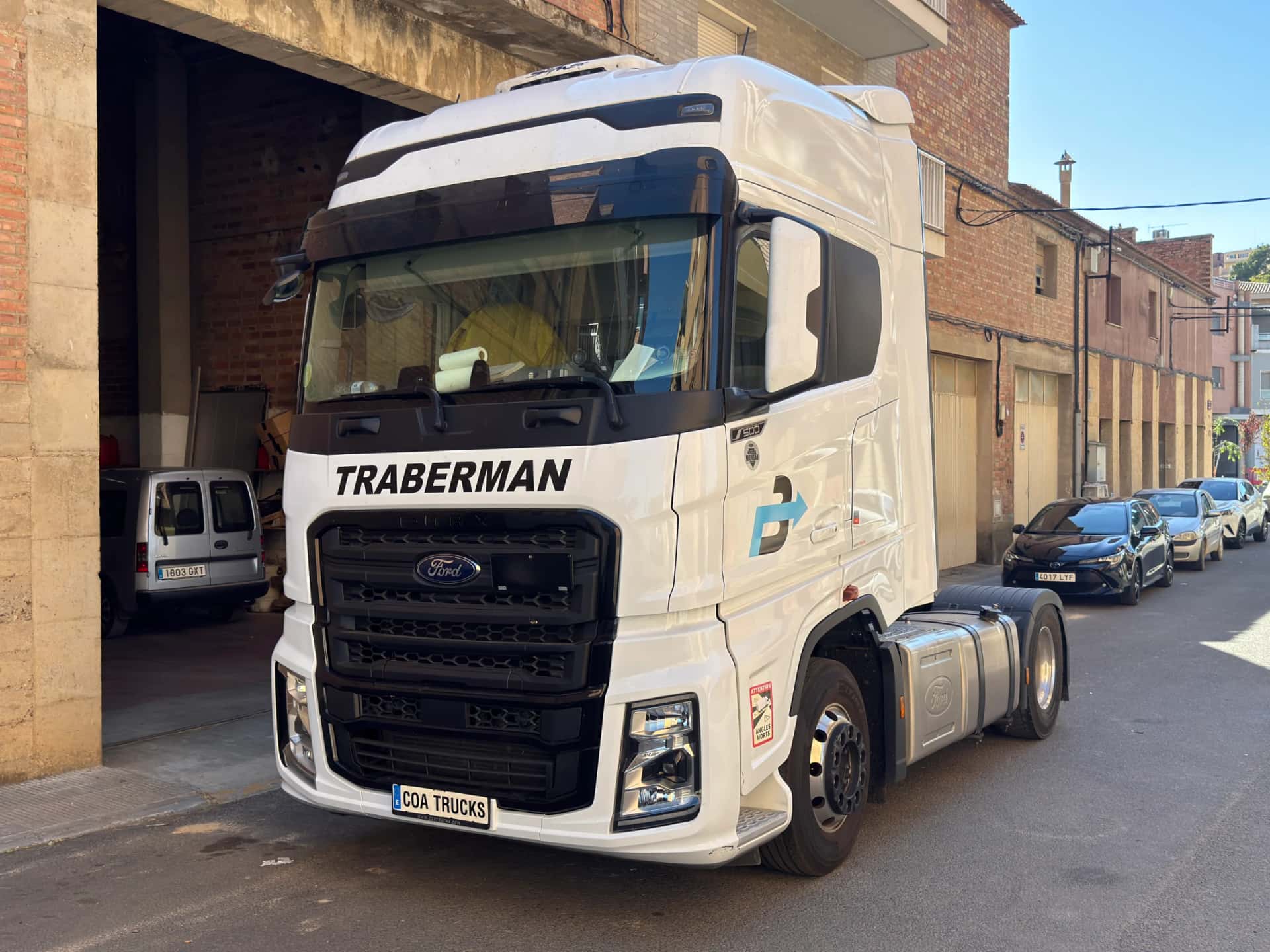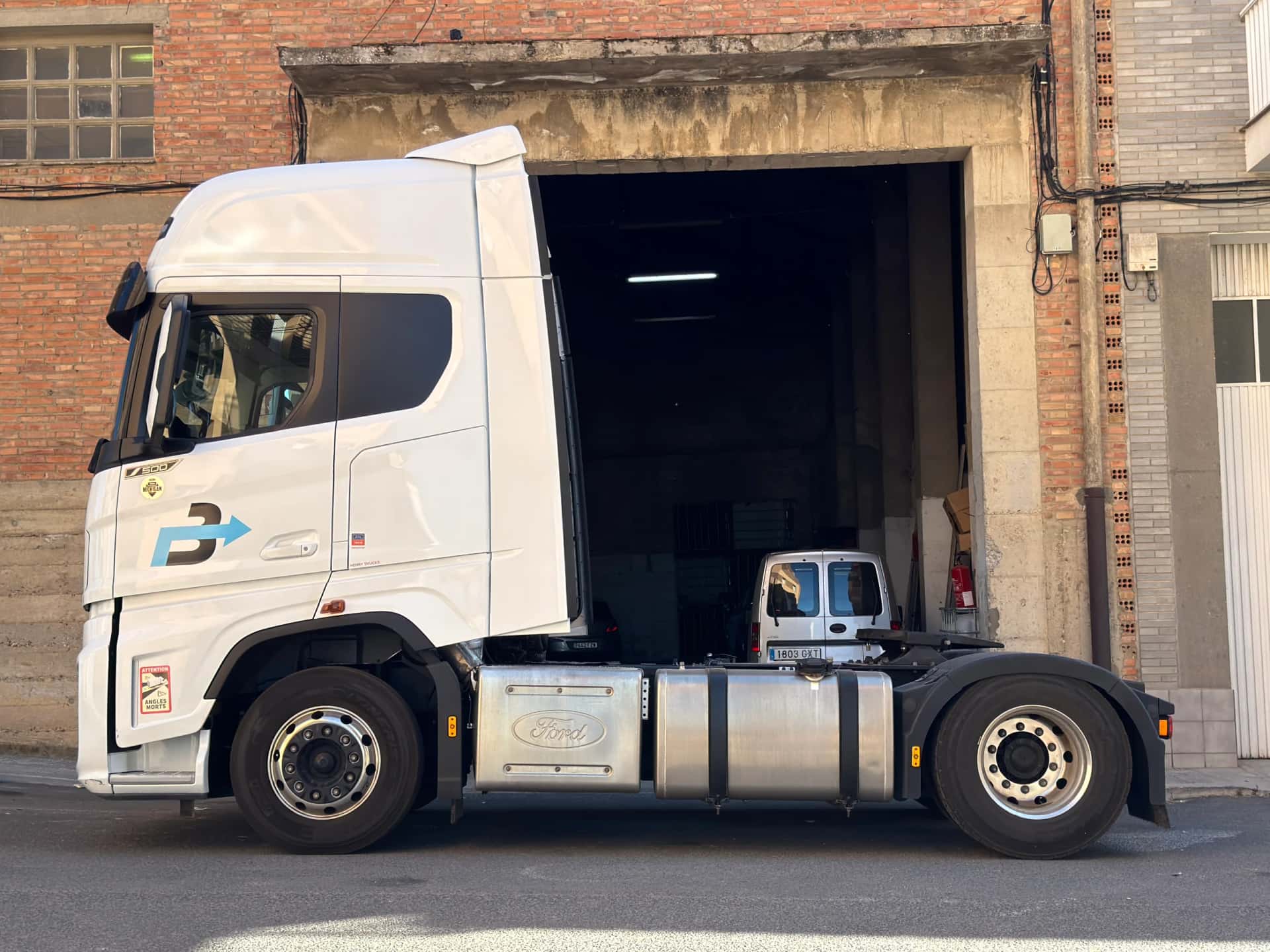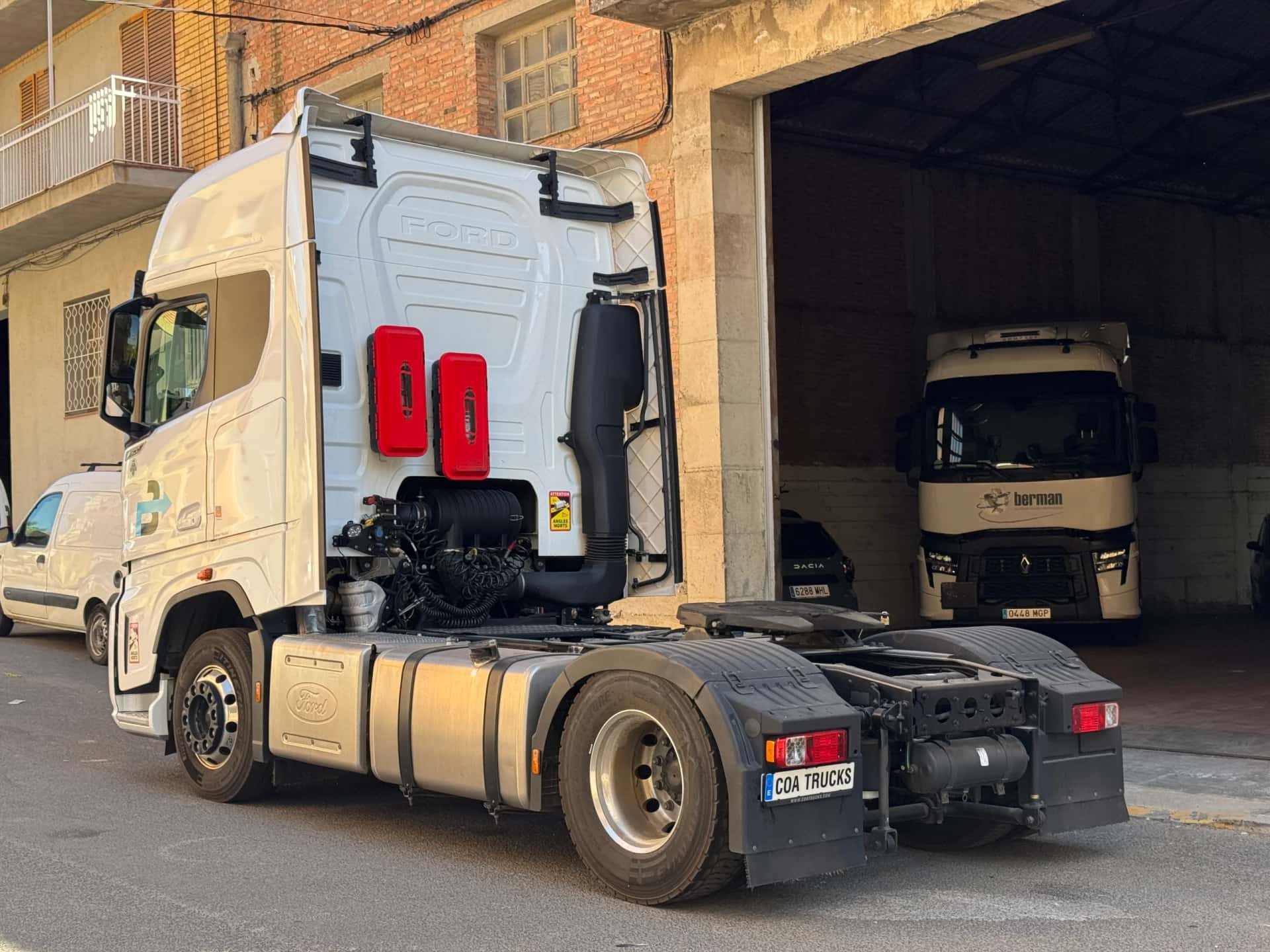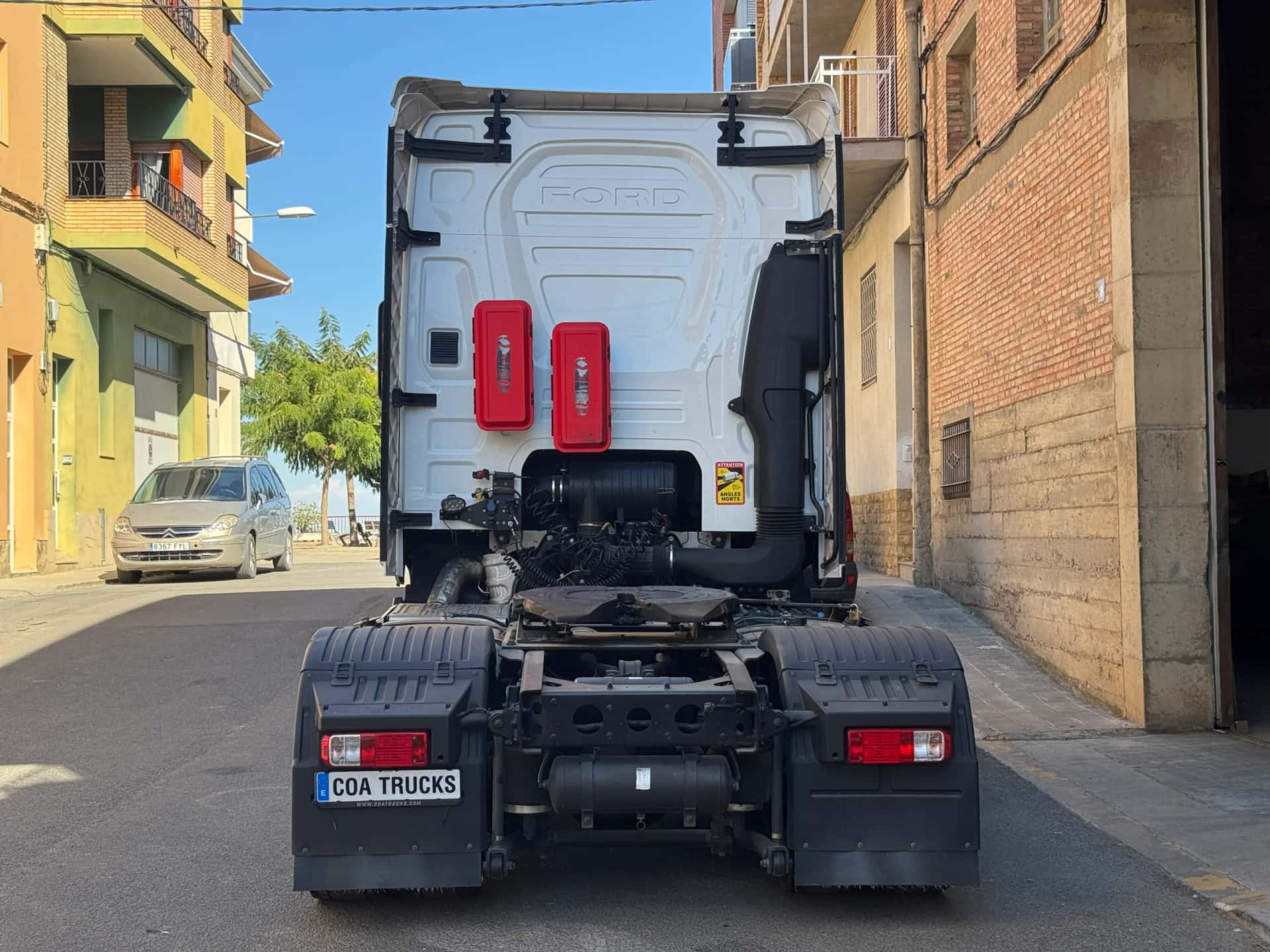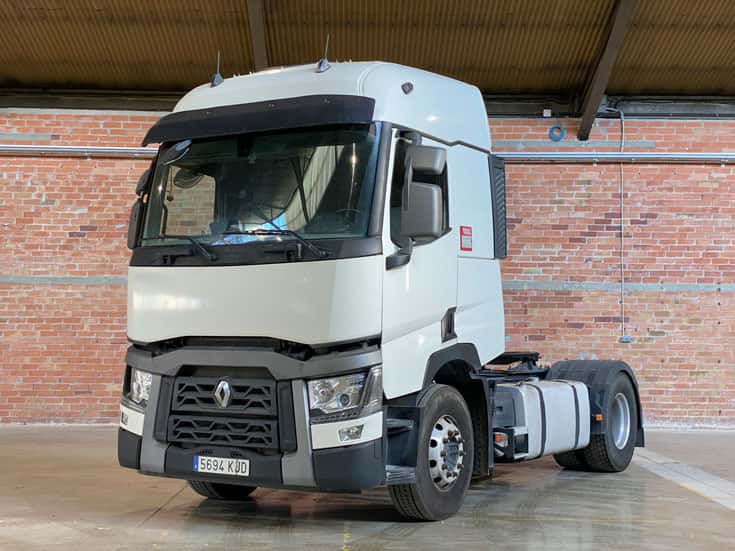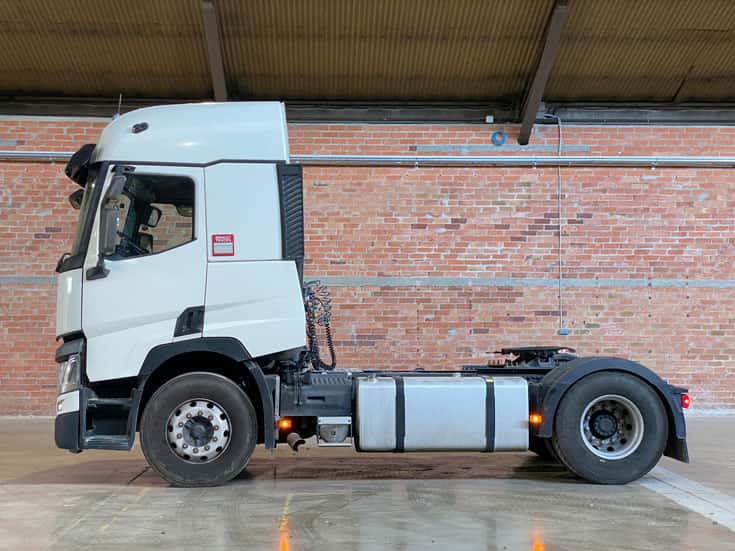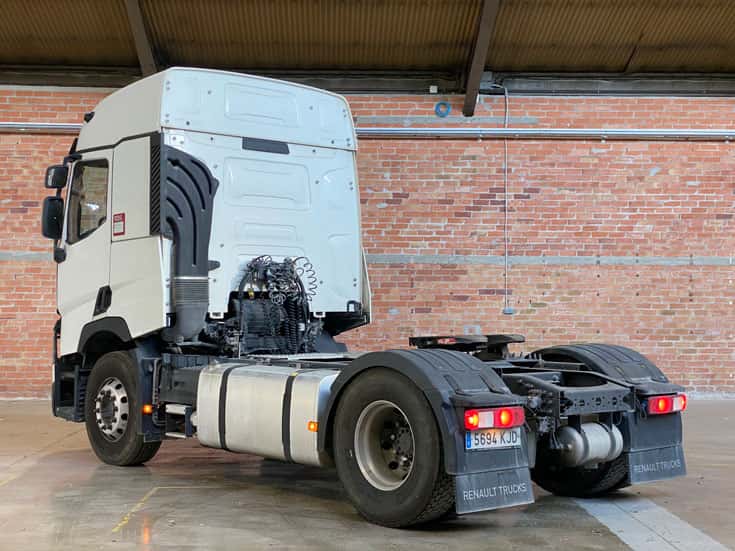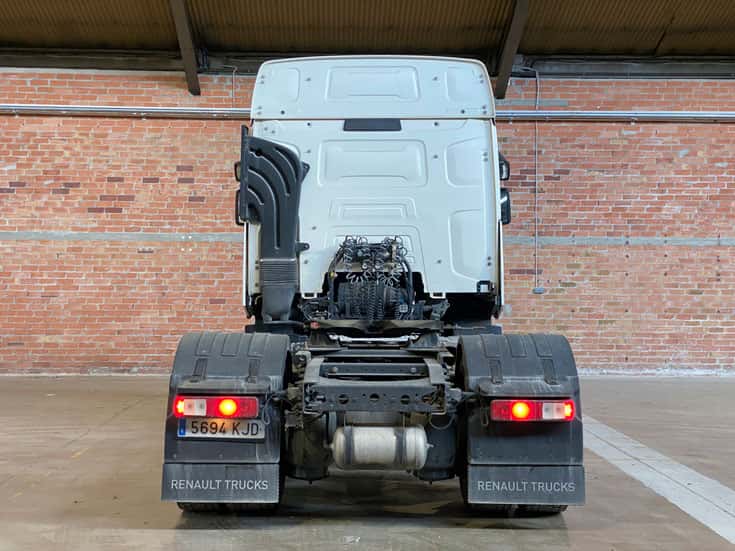






>>
A retarder, also known as an auxiliary brake or continuous brake, is a sustained braking system that supplements conventional service brakes. In long-distance heavy transport, the retarder is the most valued piece of equipment among professional drivers, as it allows maintaining constant speed on long descents without overheating disc or drum brakes.
There are three main retarder technologies for tractorheads, each with specific advantages depending on the type of operation:
On a typical mountain crossing such as the Brenner Pass (Austria-Italy) or the Somport tunnel route (Spain-France), a 40-tonne truck may face 20-30 km of continuous descent. Without a retarder, service brakes overheat (brake fade), losing effectiveness and compromising safety. With a retarder, 80-90% of braking is performed by the auxiliary system, keeping service brakes cool and available for emergencies. Additionally, brake pads can last 400,000-500,000 km instead of 150,000-200,000 km, representing significant maintenance savings.
Each manufacturer offers differentiated retarder solutions:
Before closing a purchase of a tractor unit with retarder, verify on a road test that the system acts progressively at each level (typically 3-5 steps on the stalk) and that no warnings appear on the dashboard. On Voith or ZF hydrodynamic retarders, check the oil is not contaminated and there are no leaks in the chamber; a retarder repair can cost 1,500-3,500 €. On engine brakes (VEB+, EVBec) listen for uniform braking without abnormal valve noises. At Coatrucks we test the retarder on every unit and record it in the documented inspection.
If you run international transport over Alpine or Pyrenean passes regularly, a Voith hydrodynamic retarder or ZF Intarder (up to 500-600 kW) is the safest option thanks to its constant braking power at high speed. If your operation is more domestic with less mountain, a powerful decompression engine brake (Scania Retarder, Volvo VEB+, MAN EVBec) usually suffices and adds no weight or retarder maintenance cost. For 40 tonnes on long haul we always recommend at least a good engine brake; at Coatrucks we advise based on your real routes.
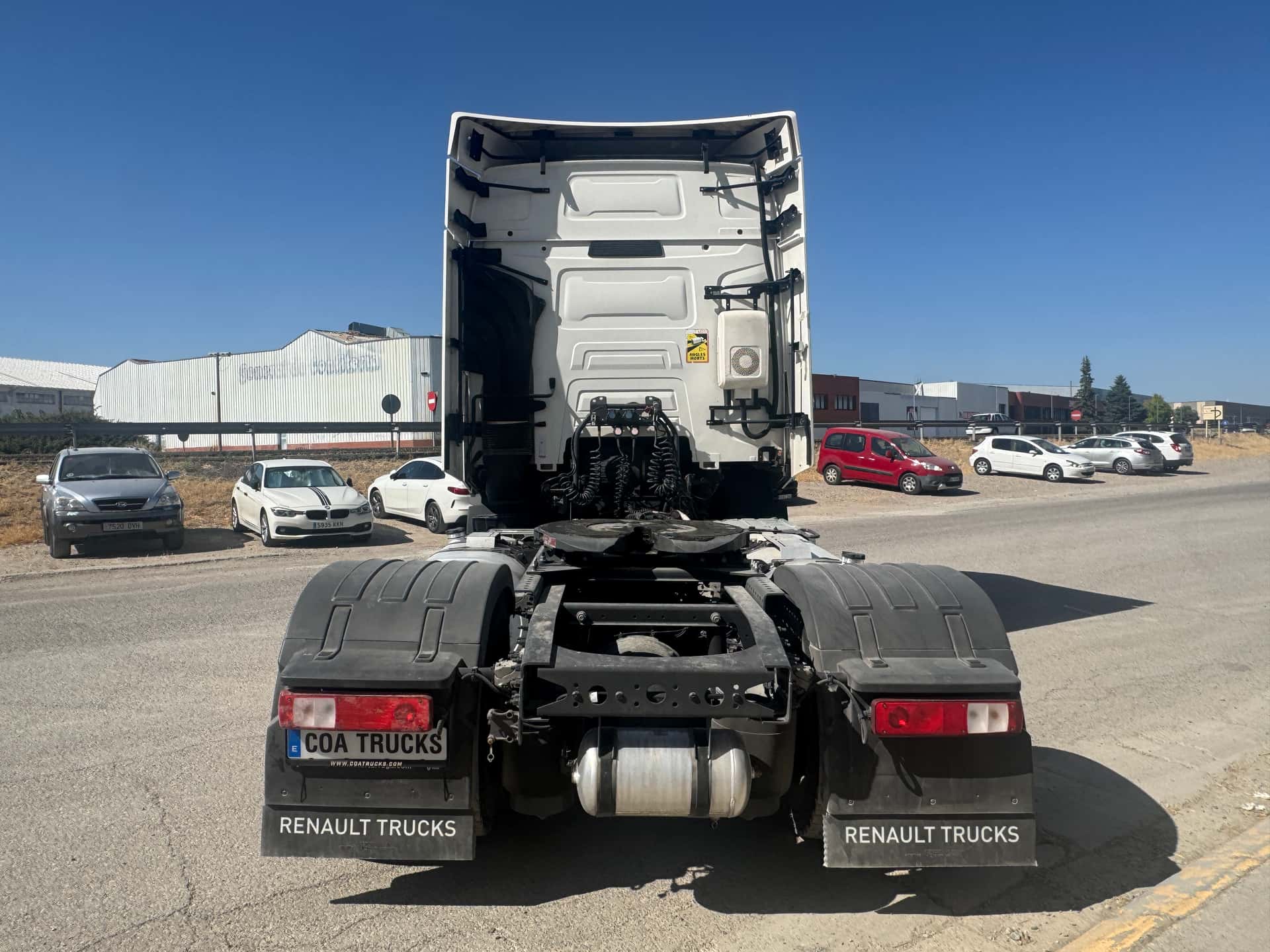
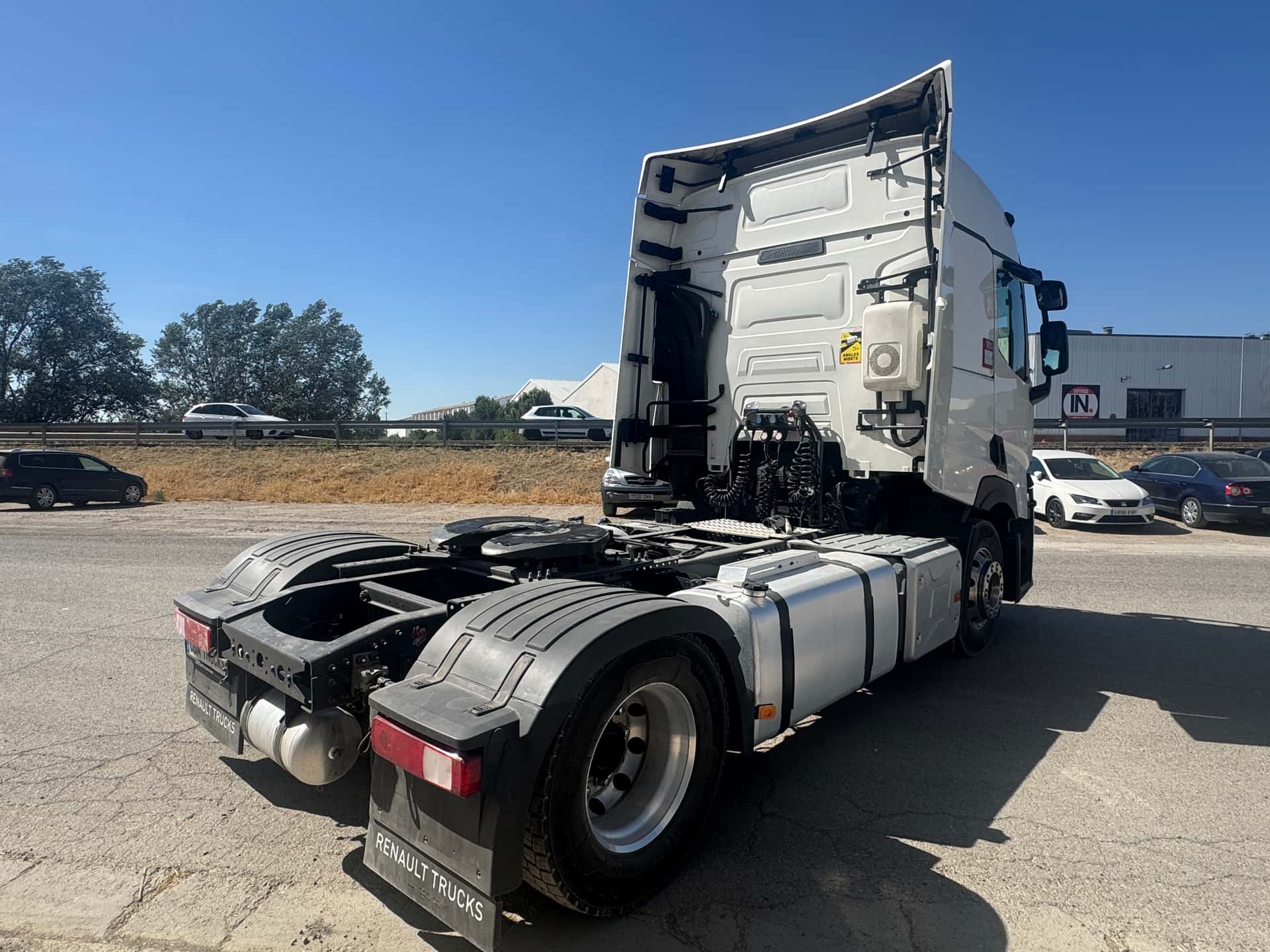
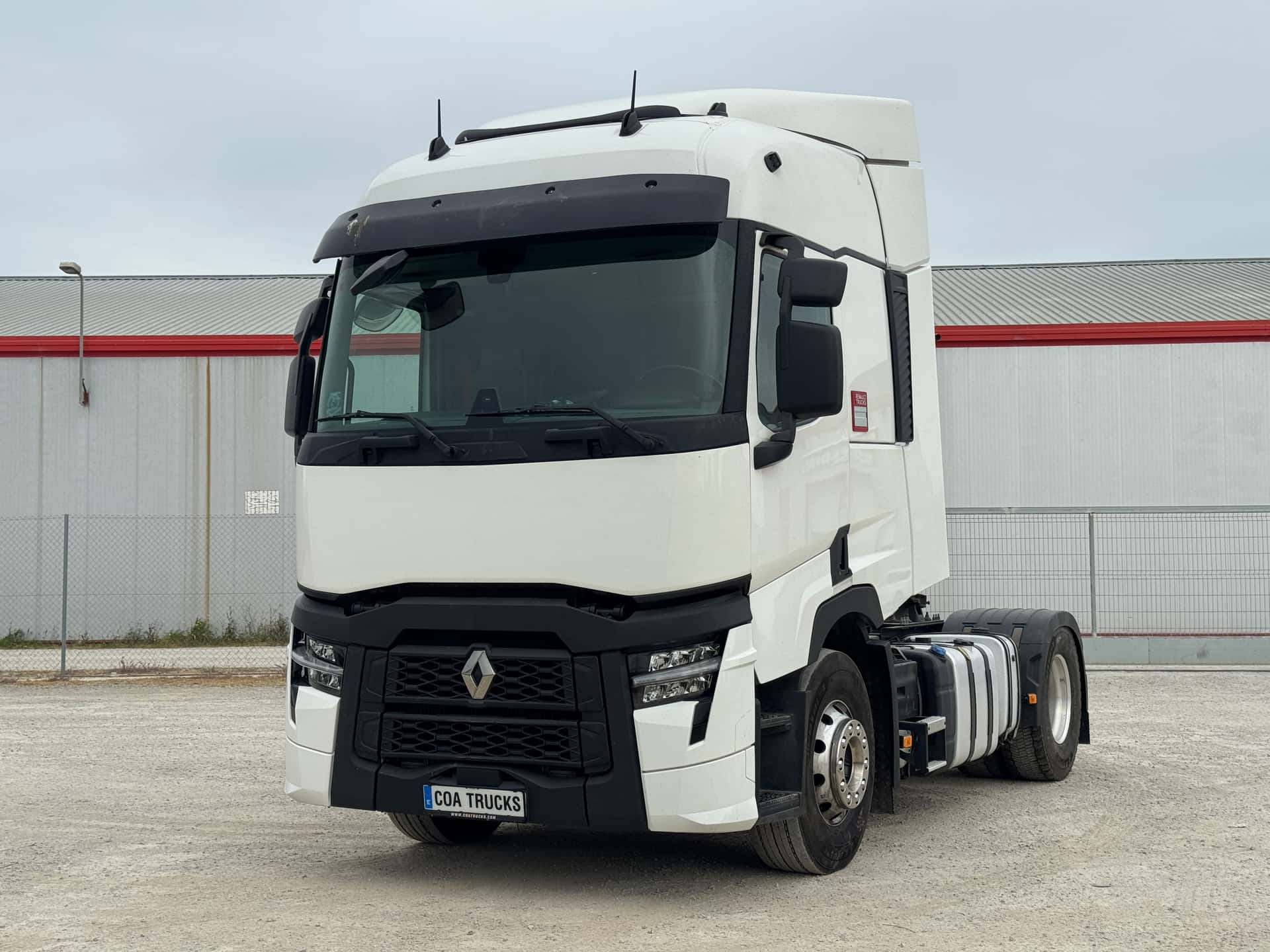
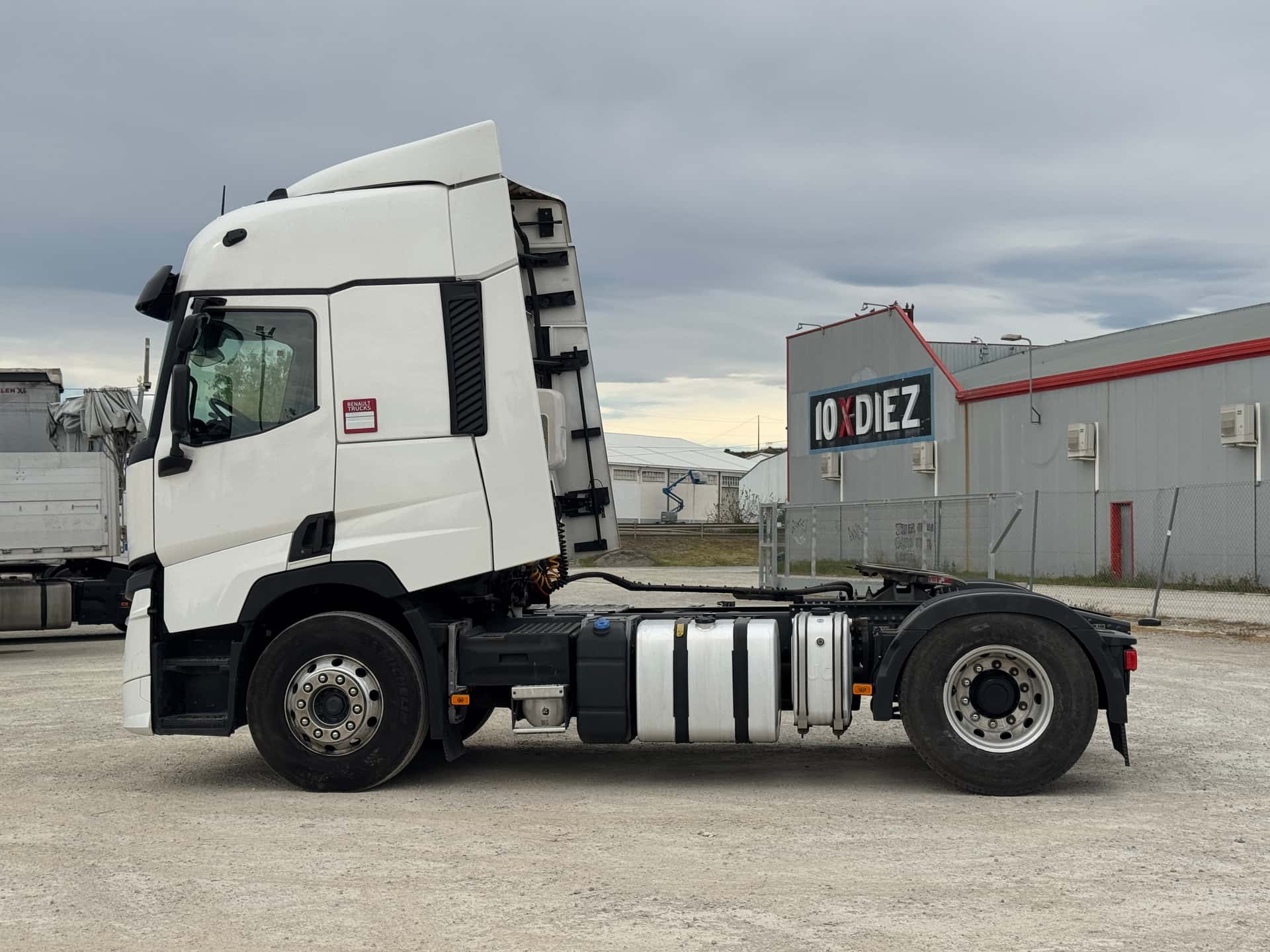
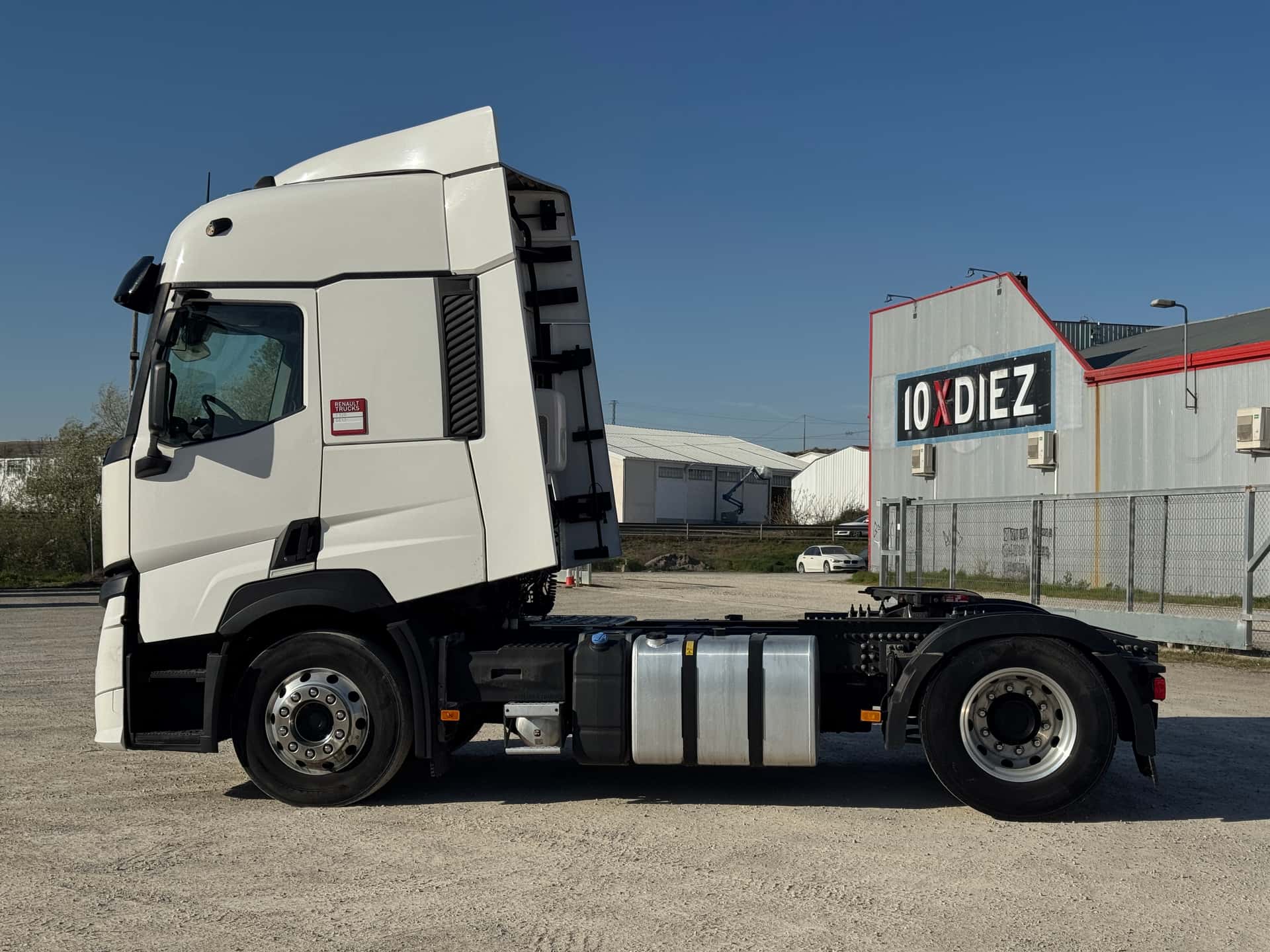
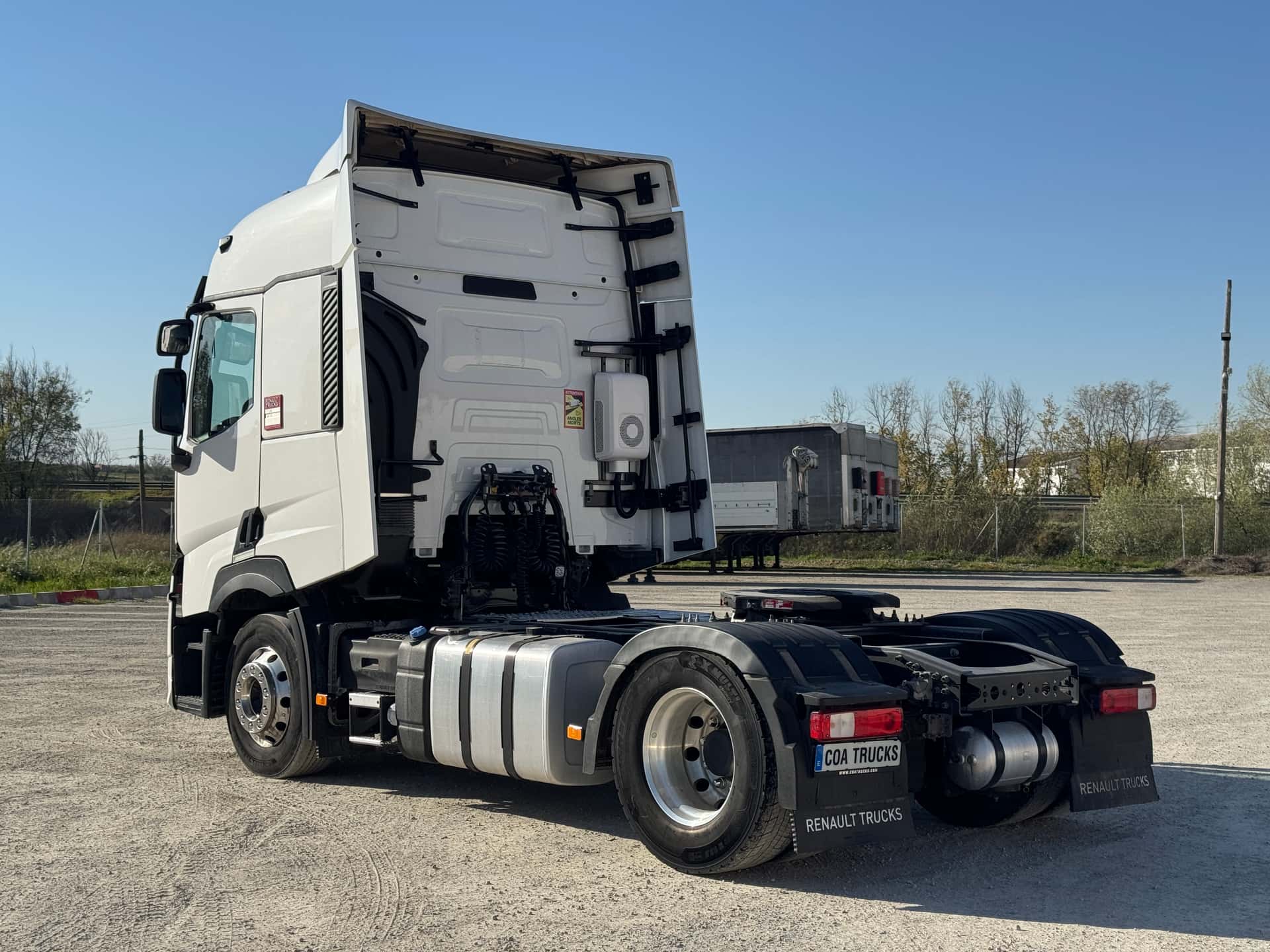
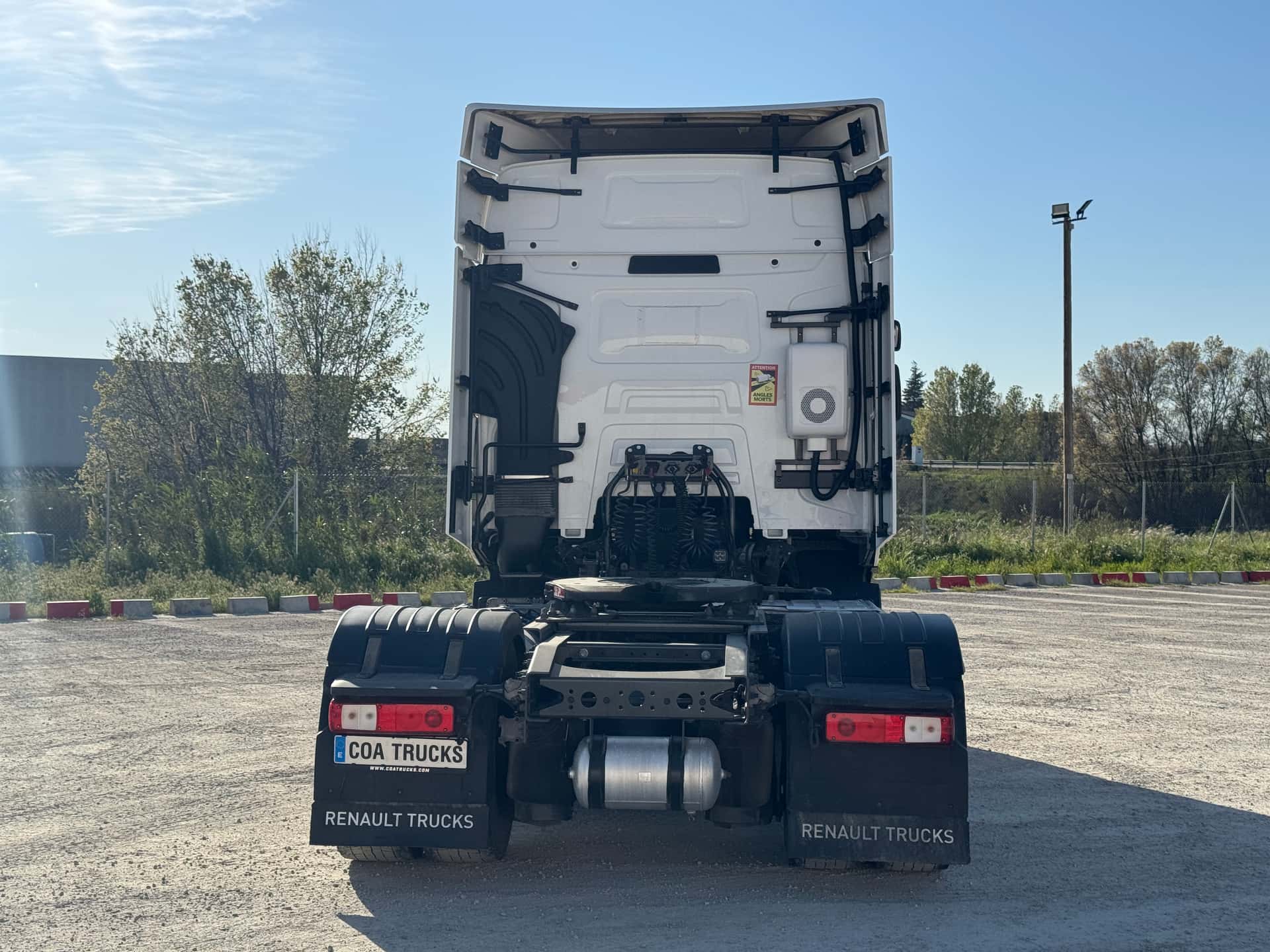
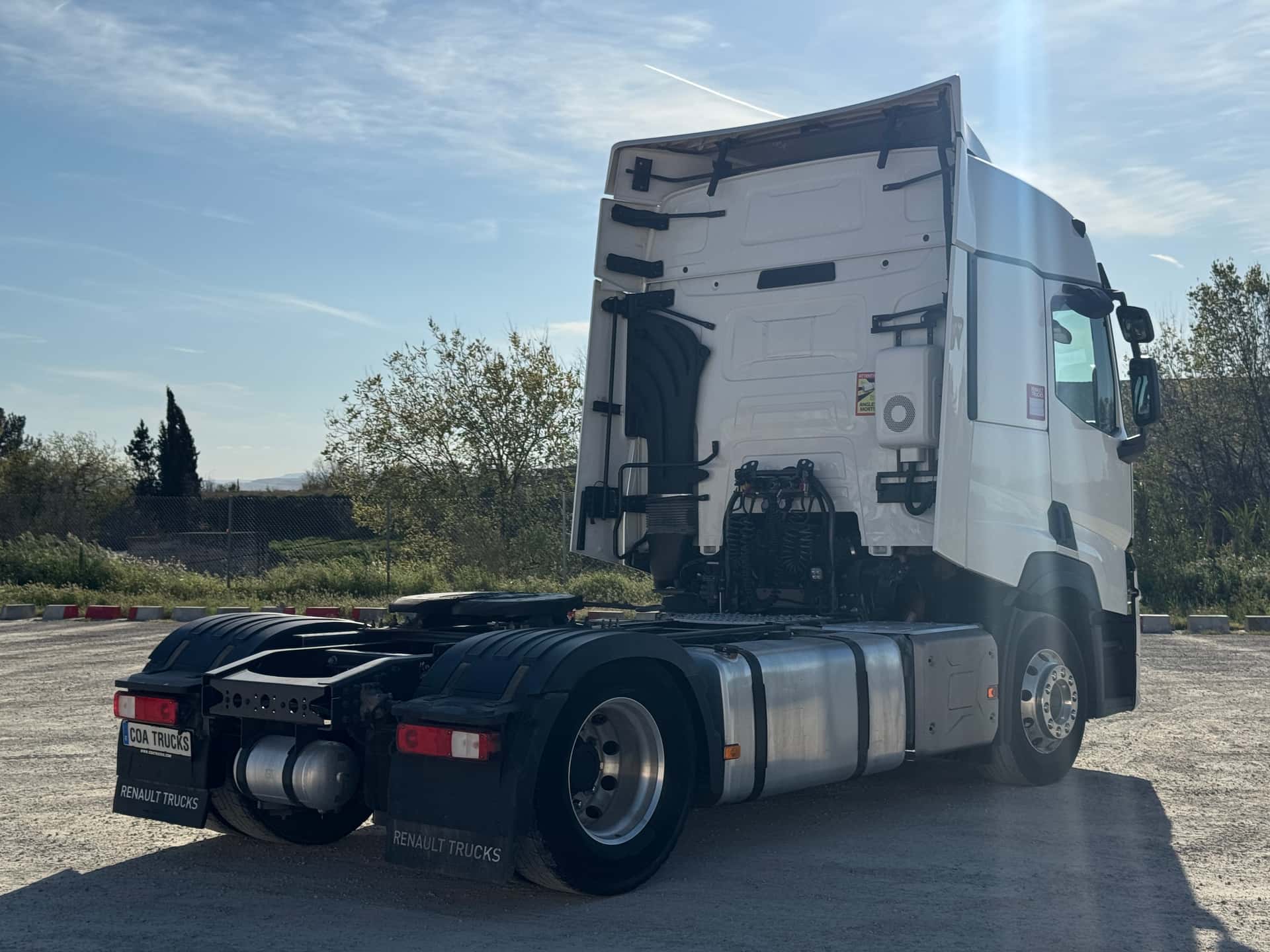
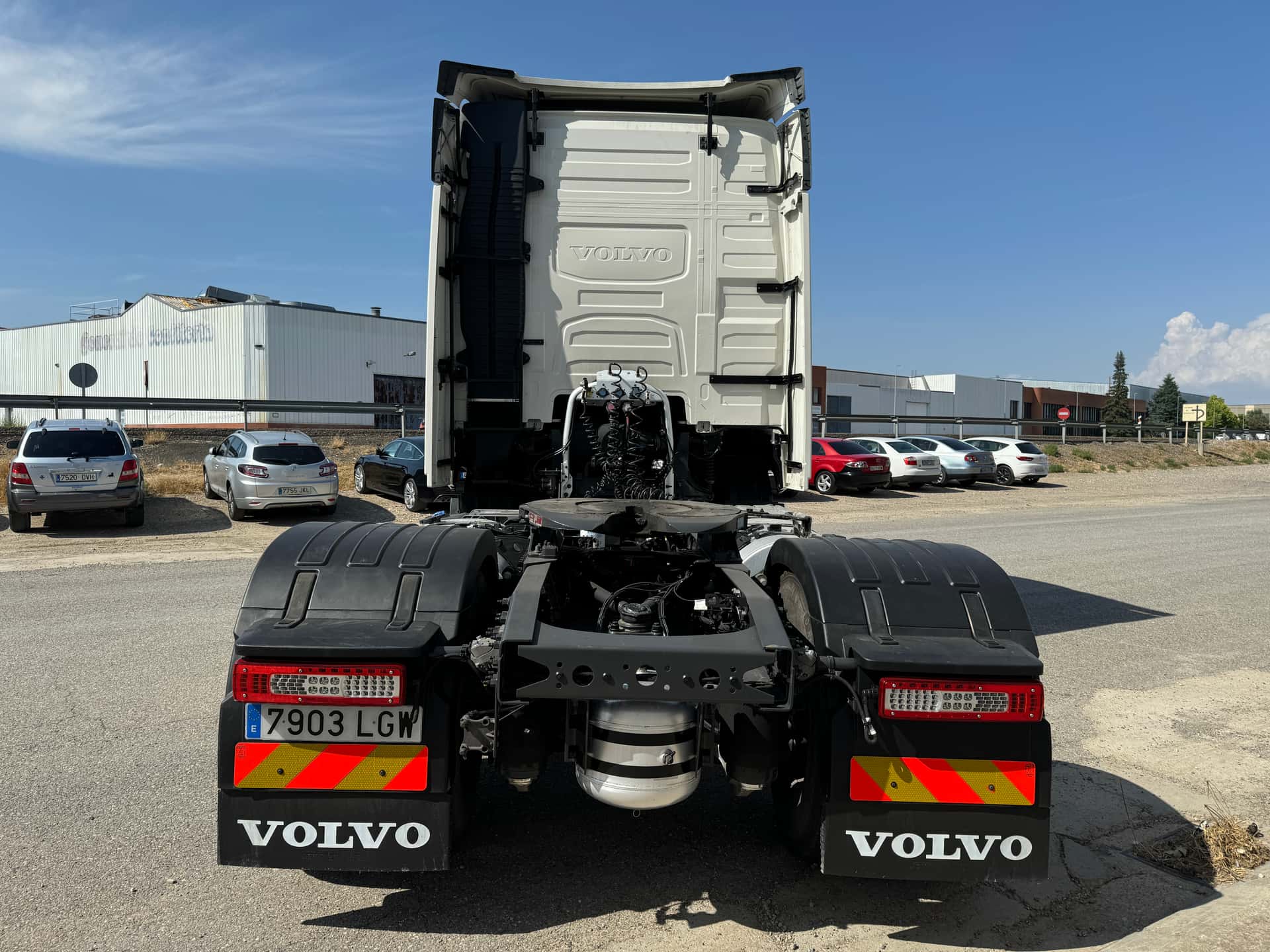
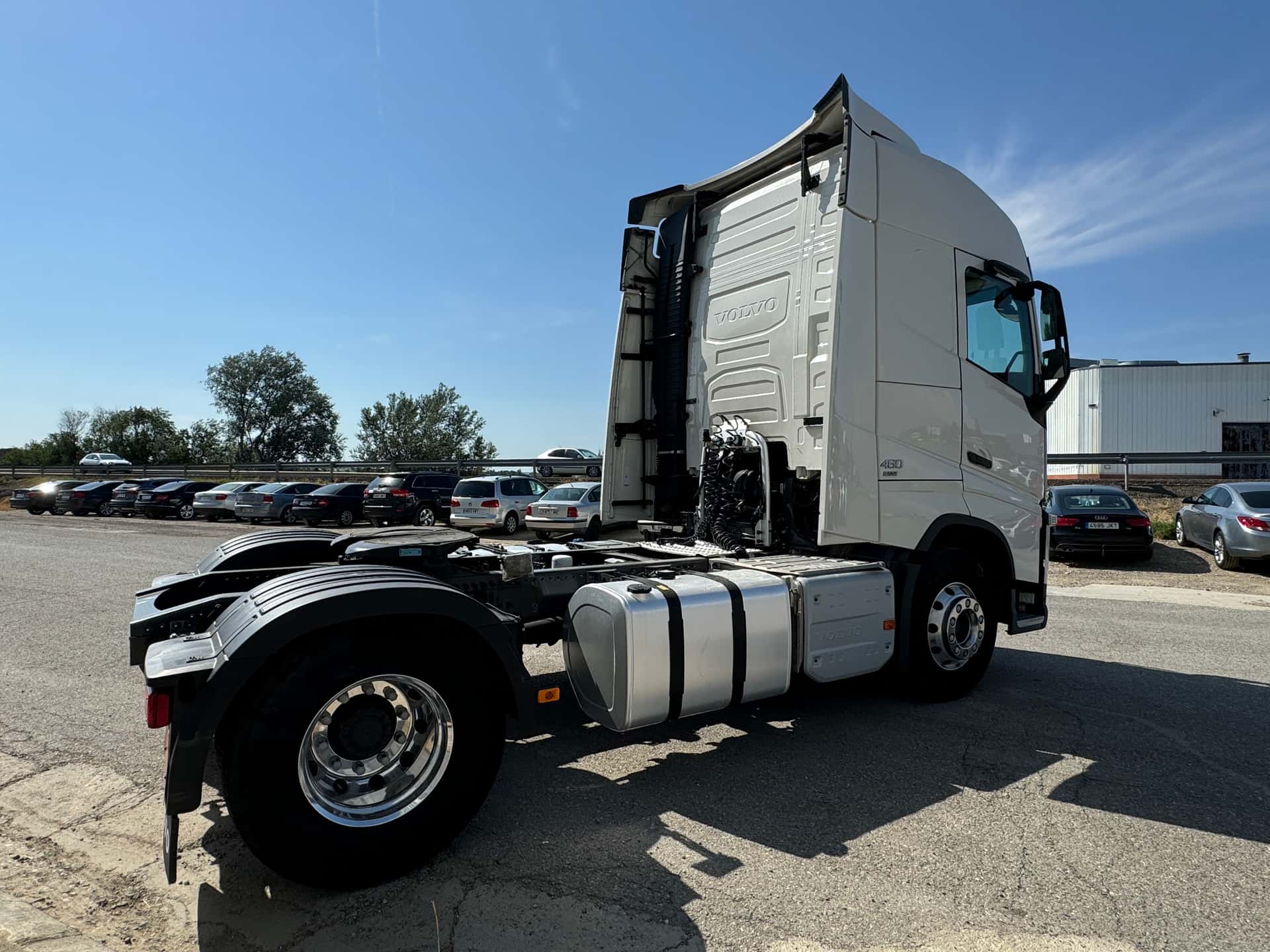
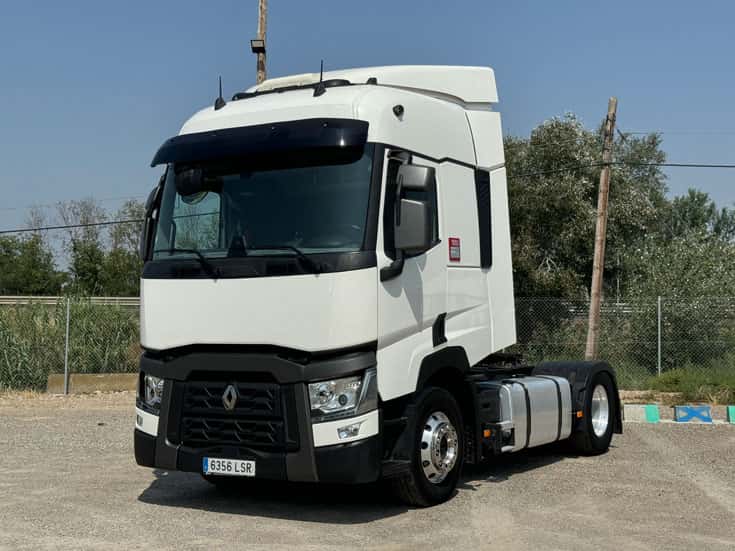
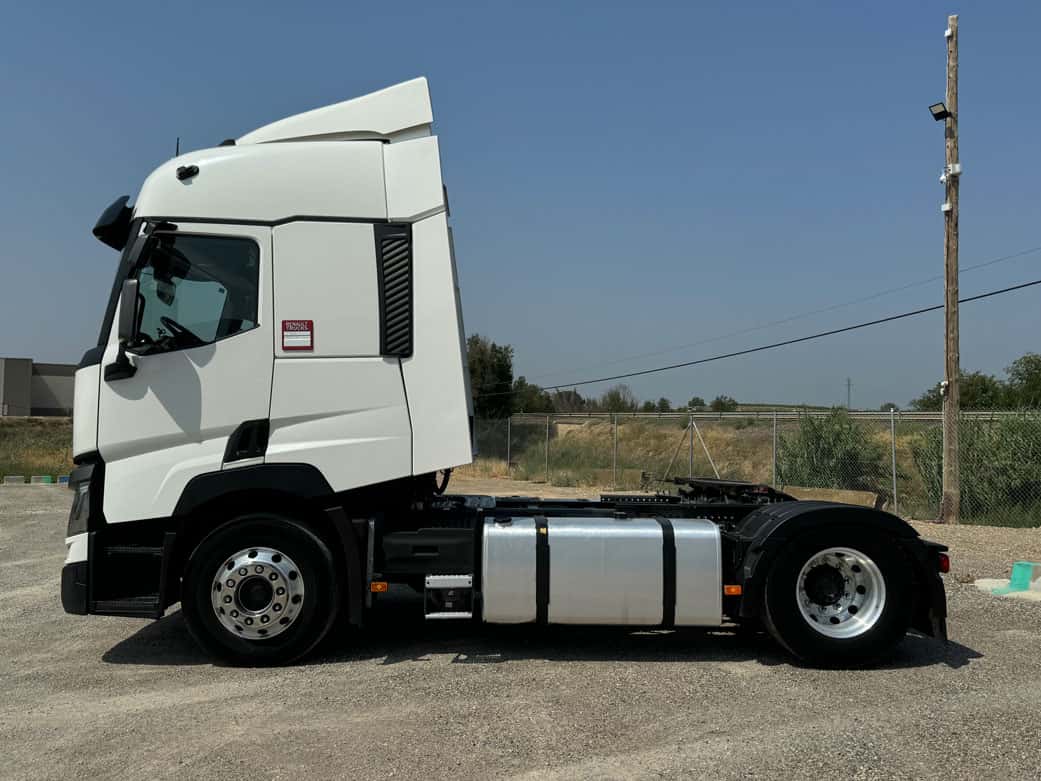
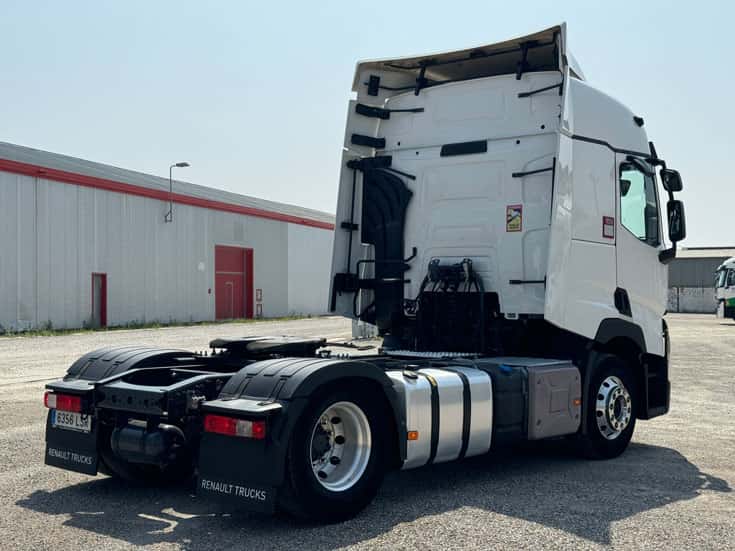
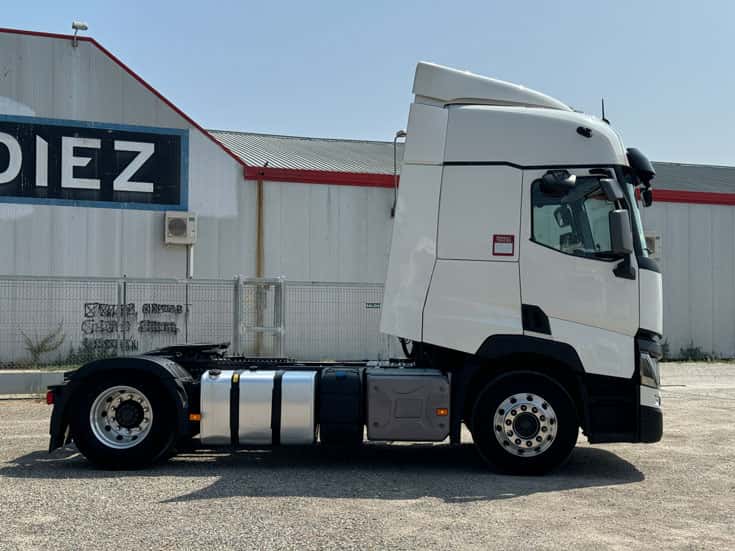
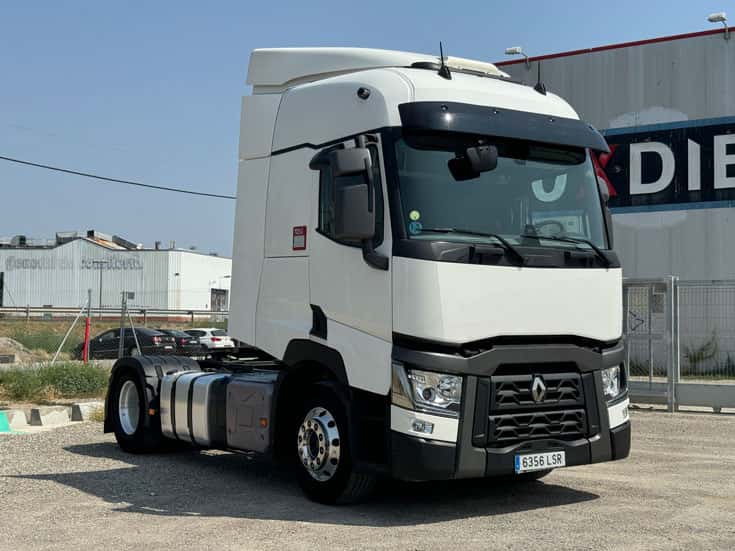
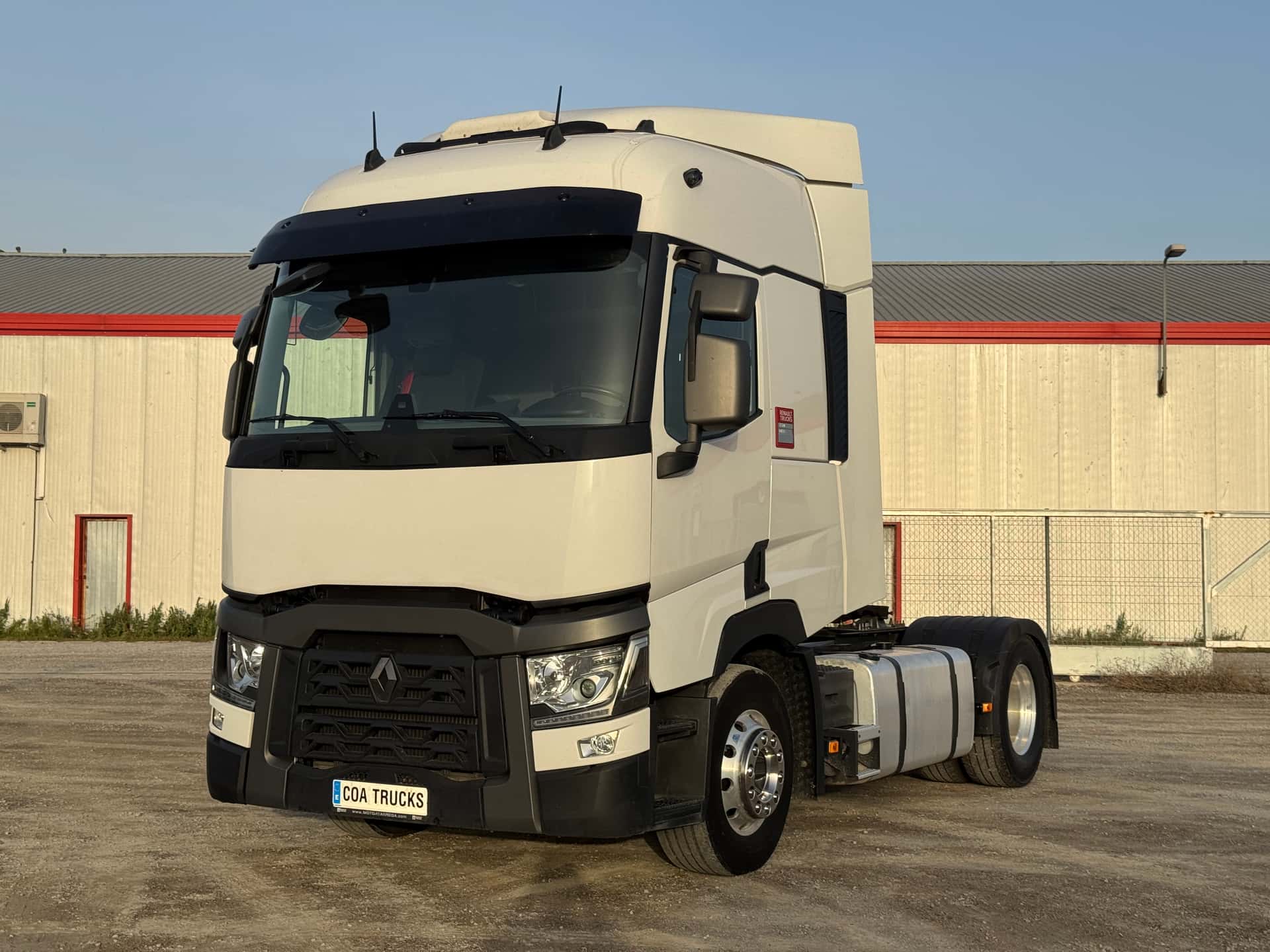
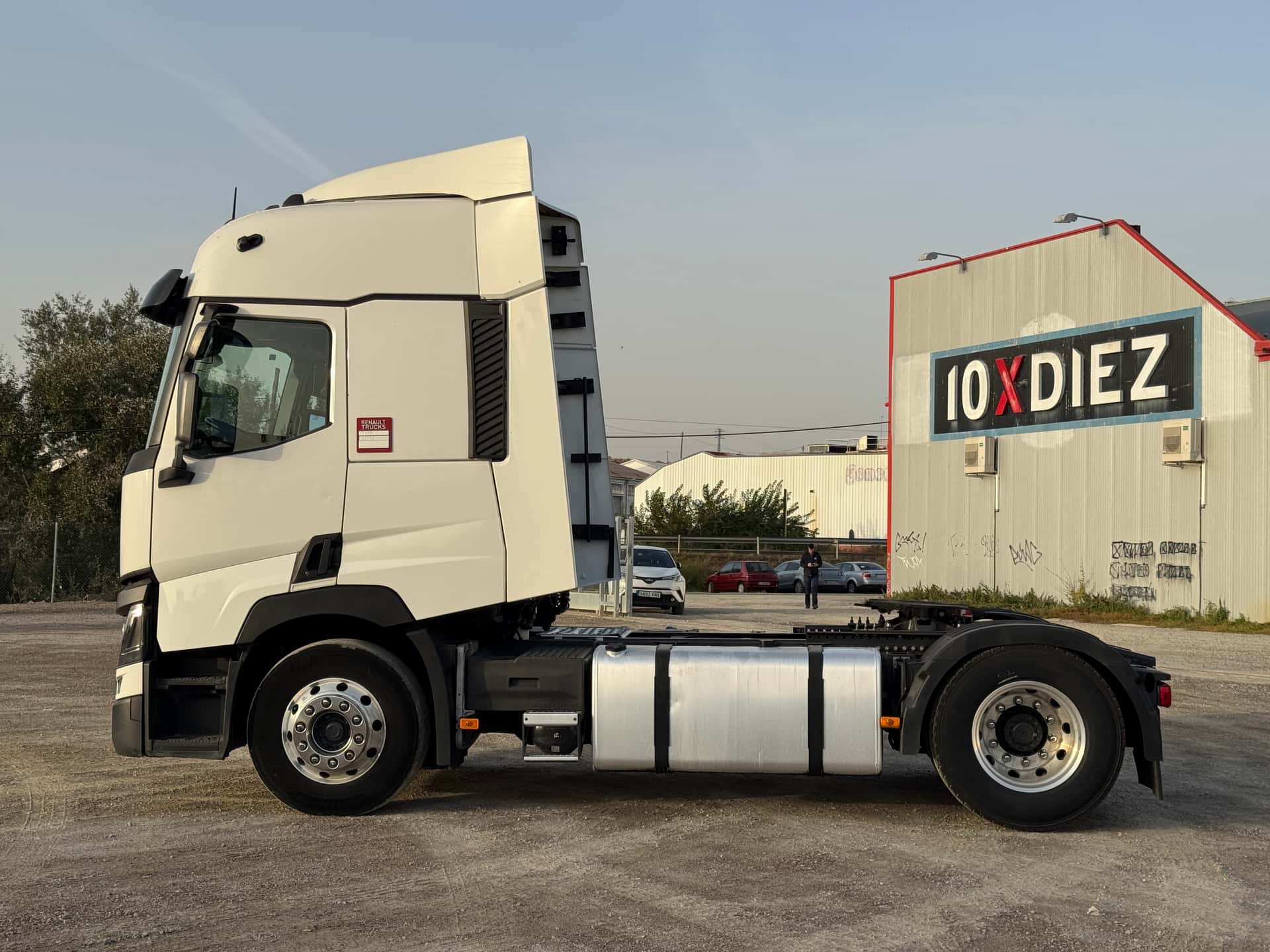
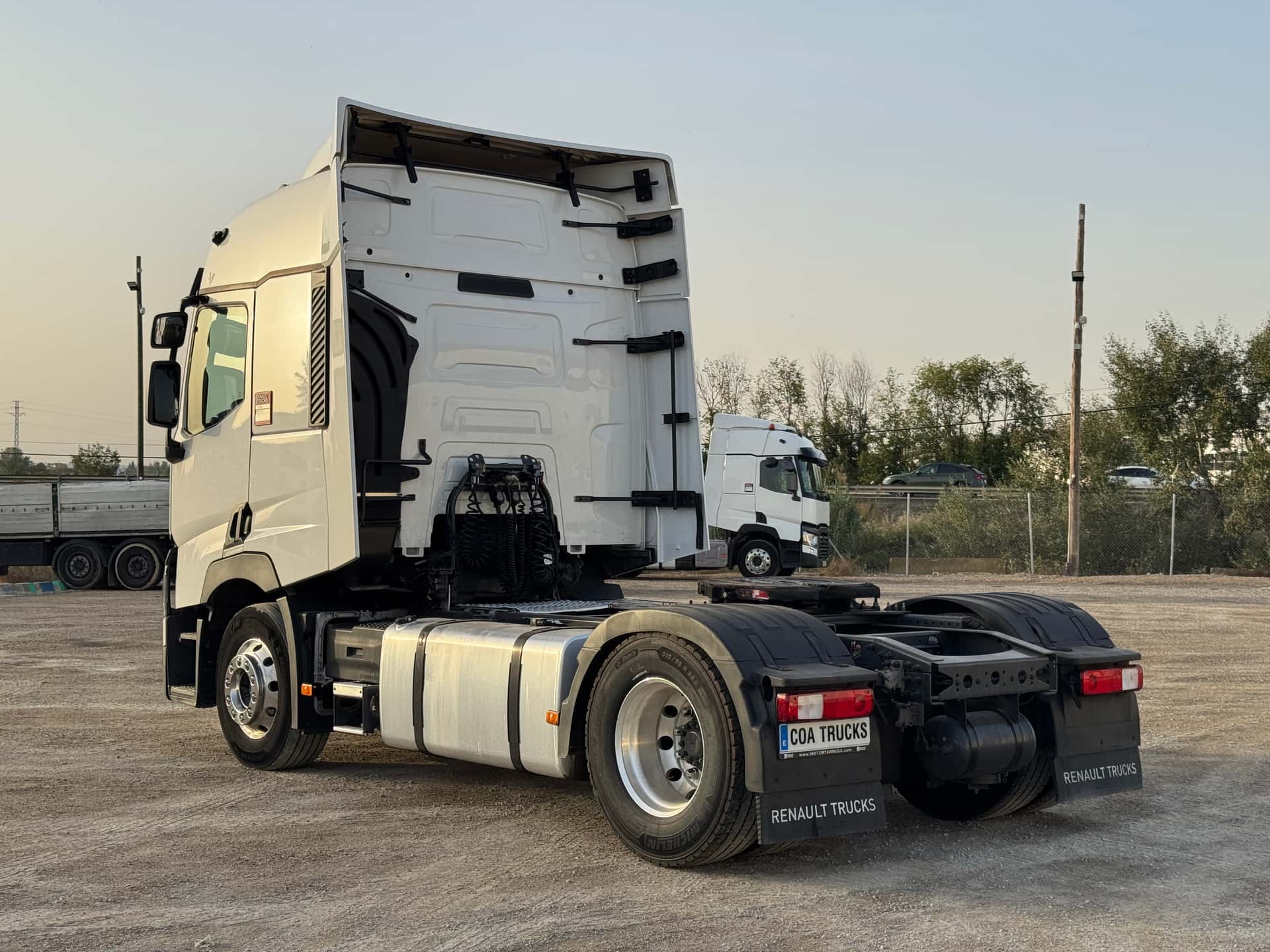
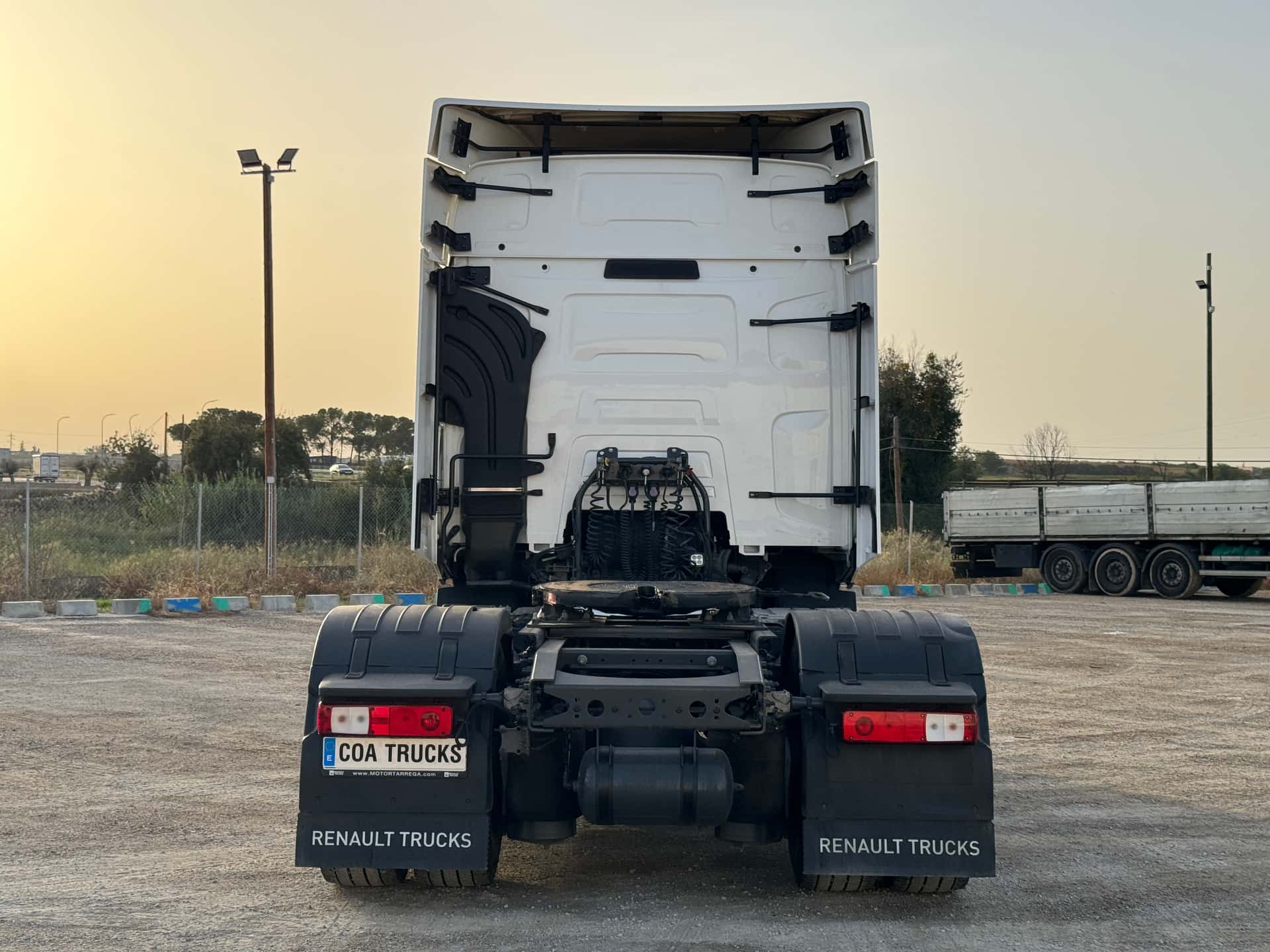
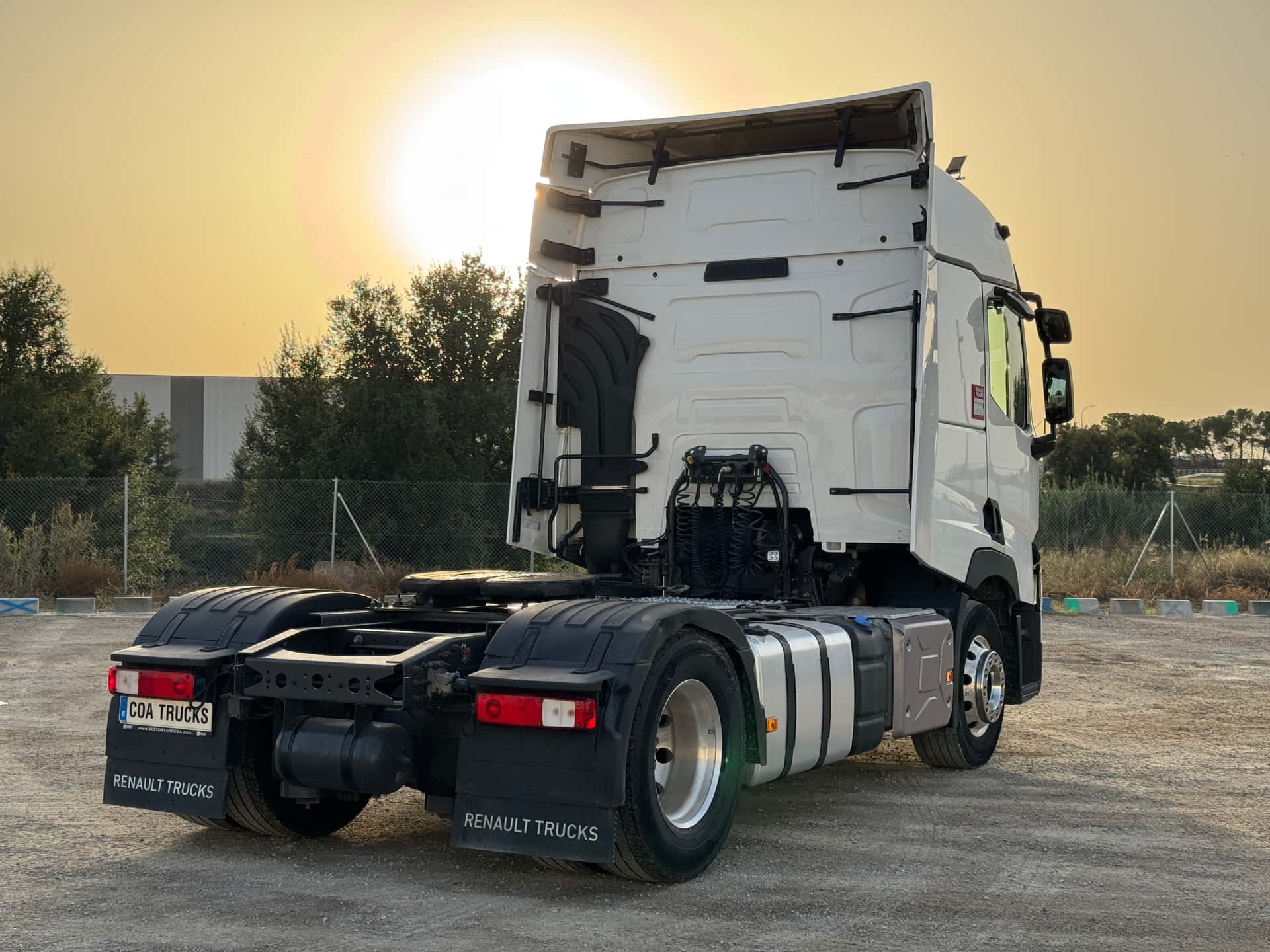
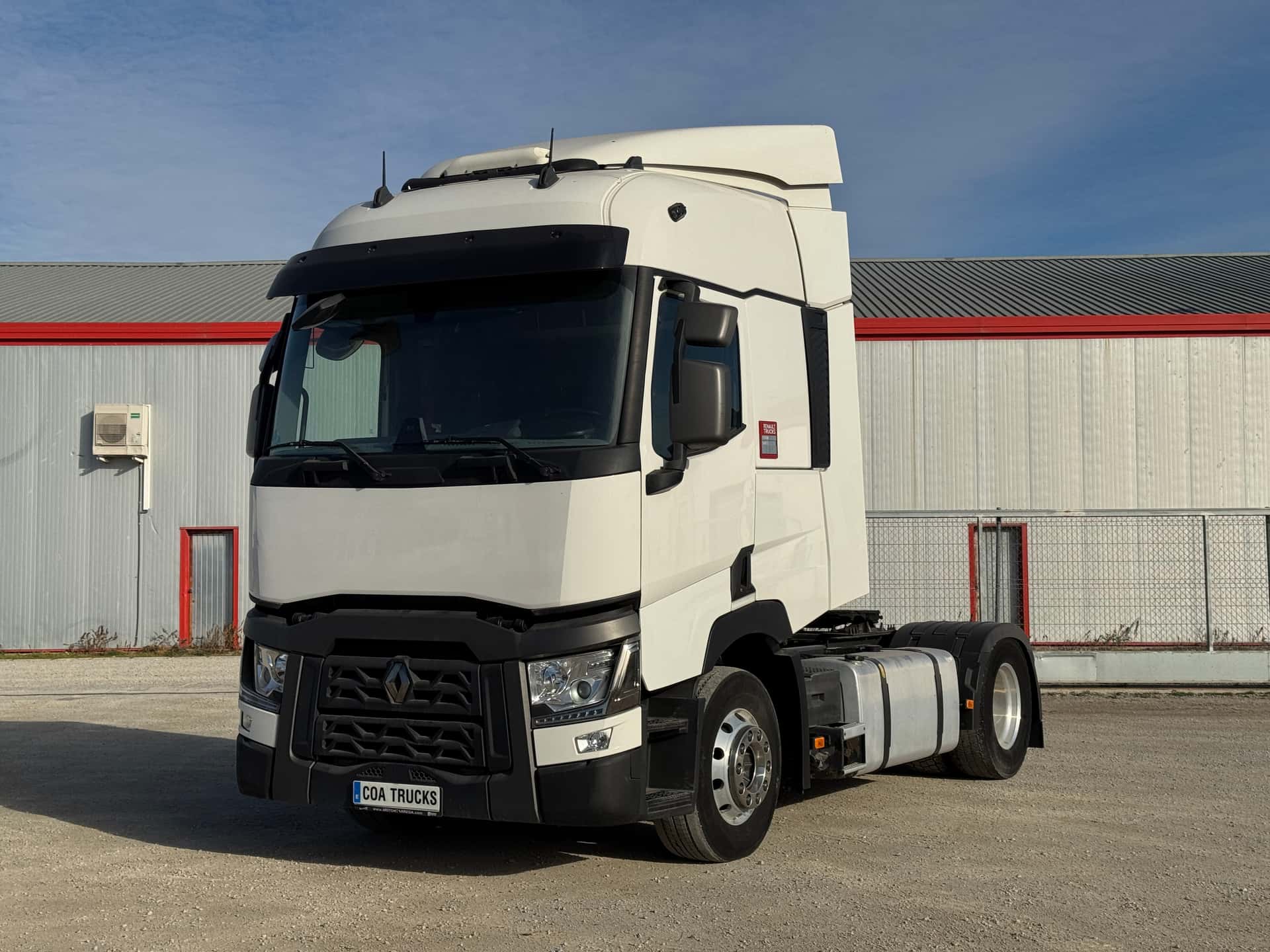
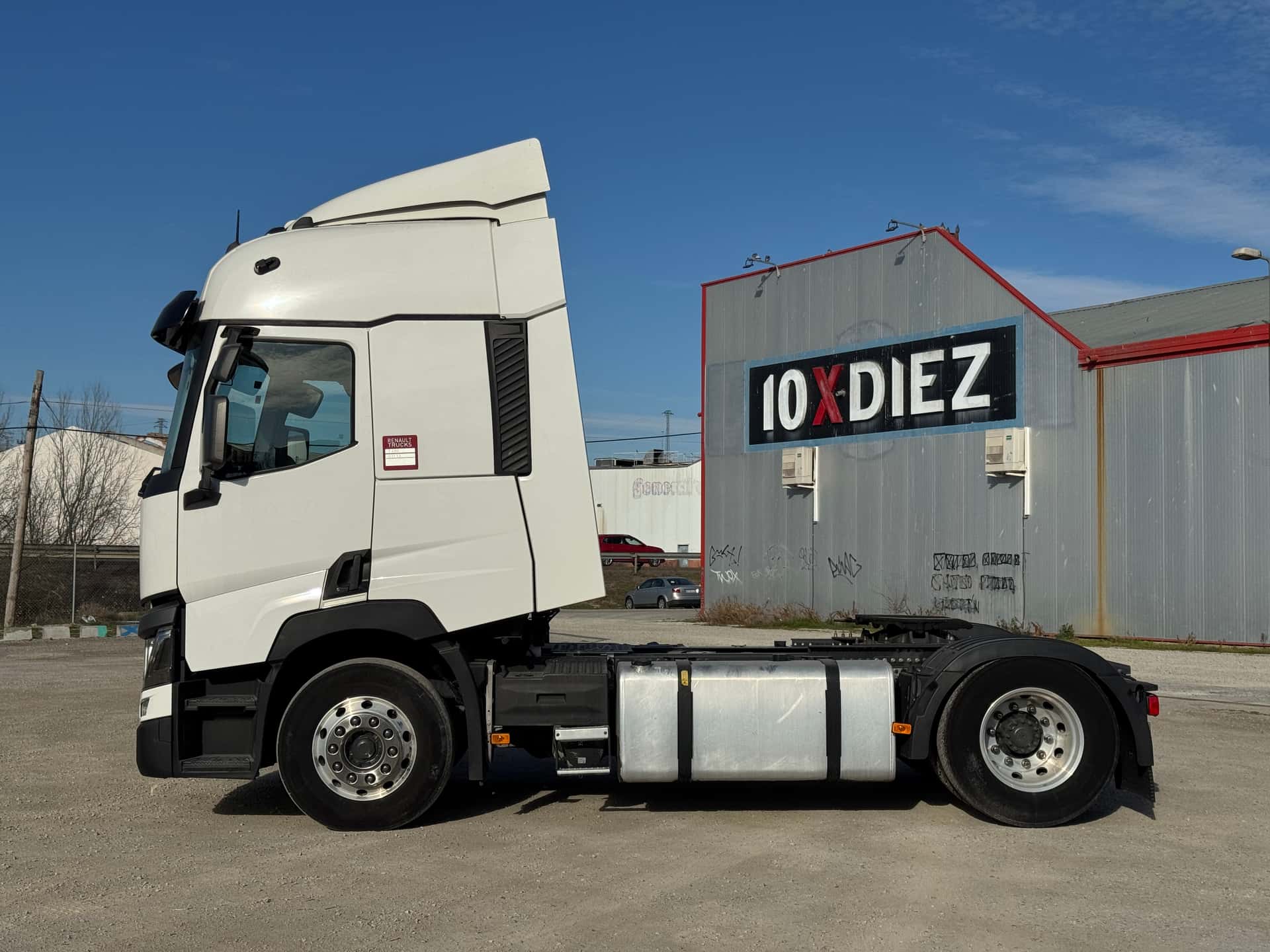
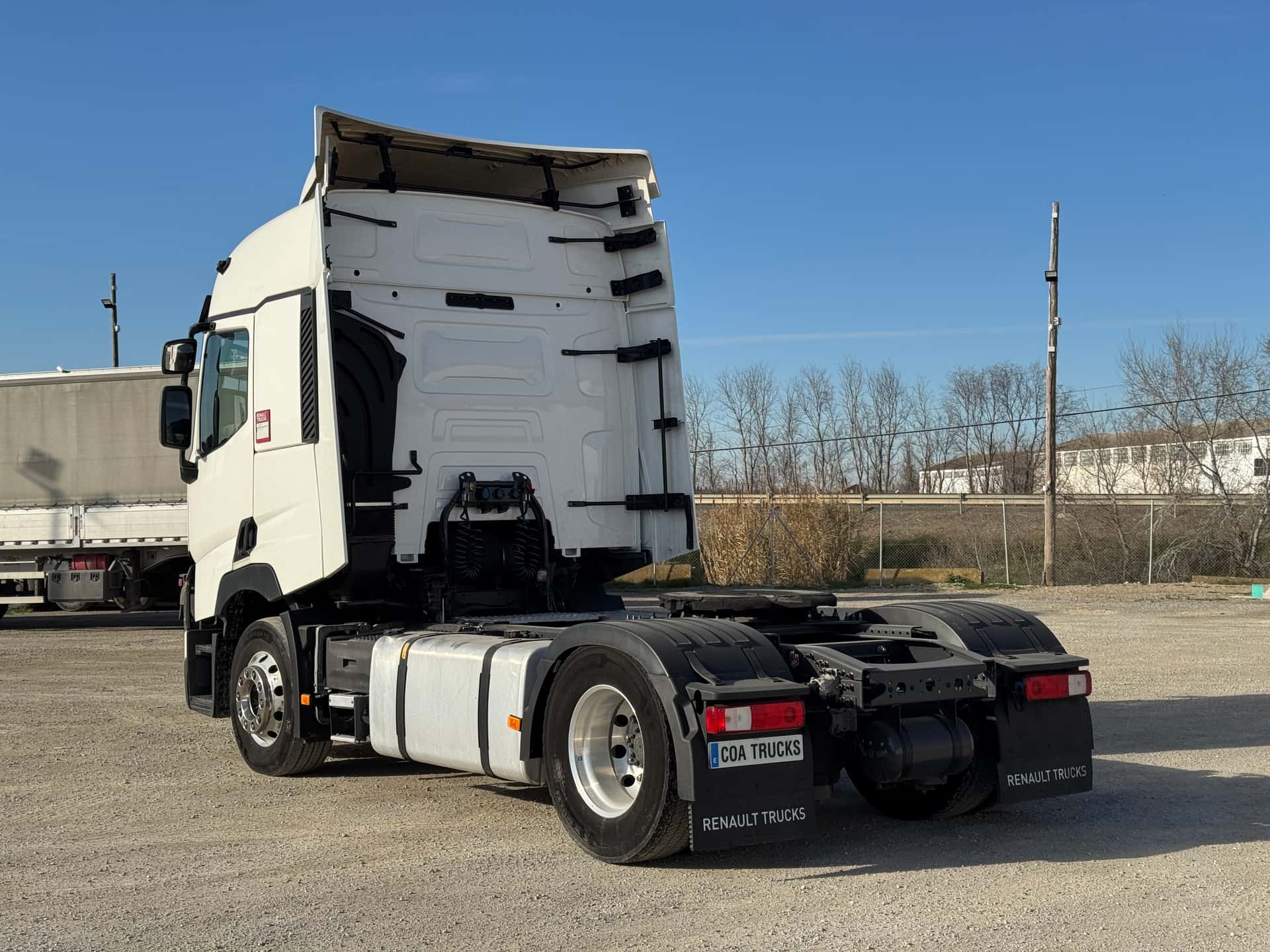
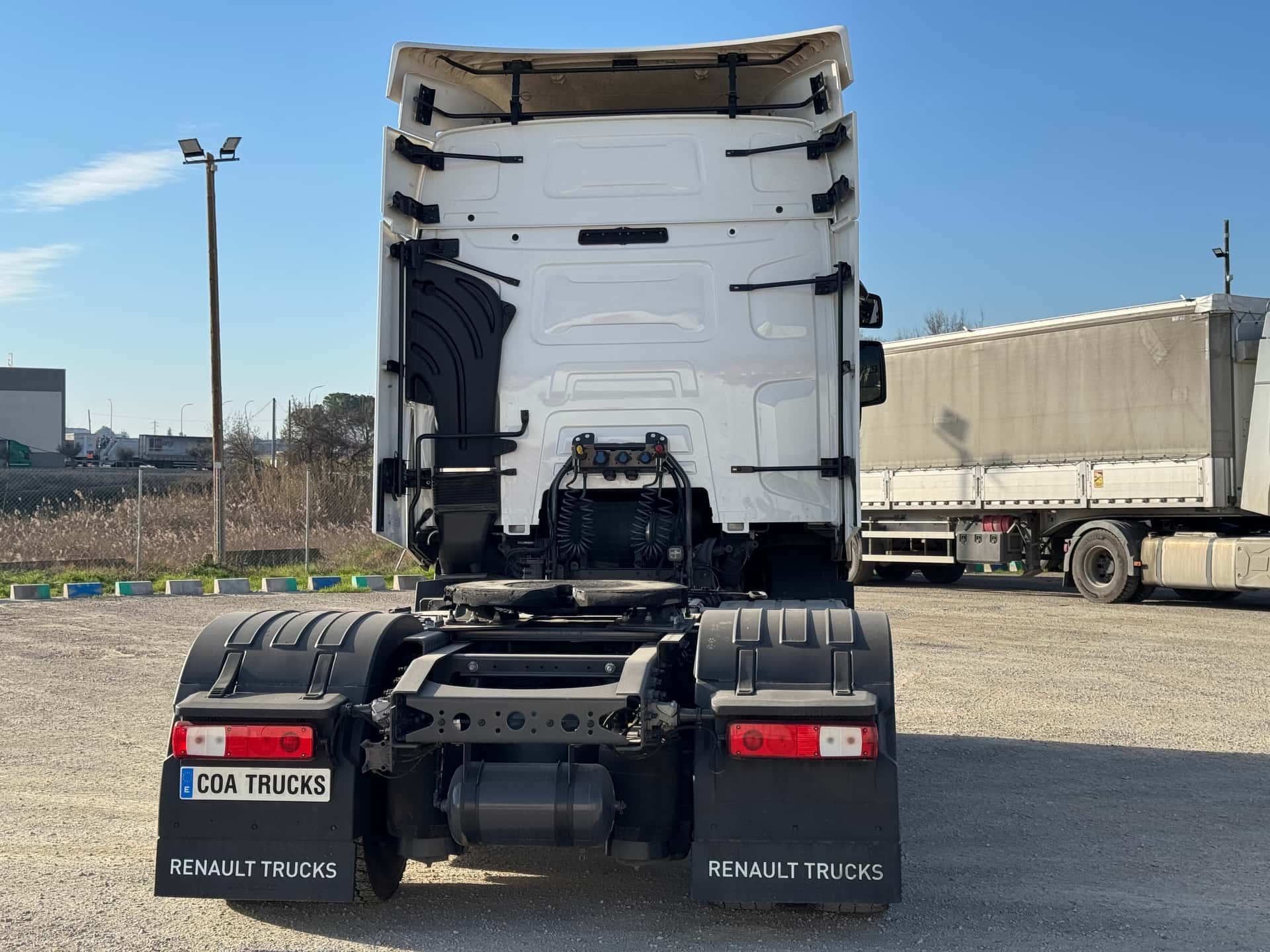
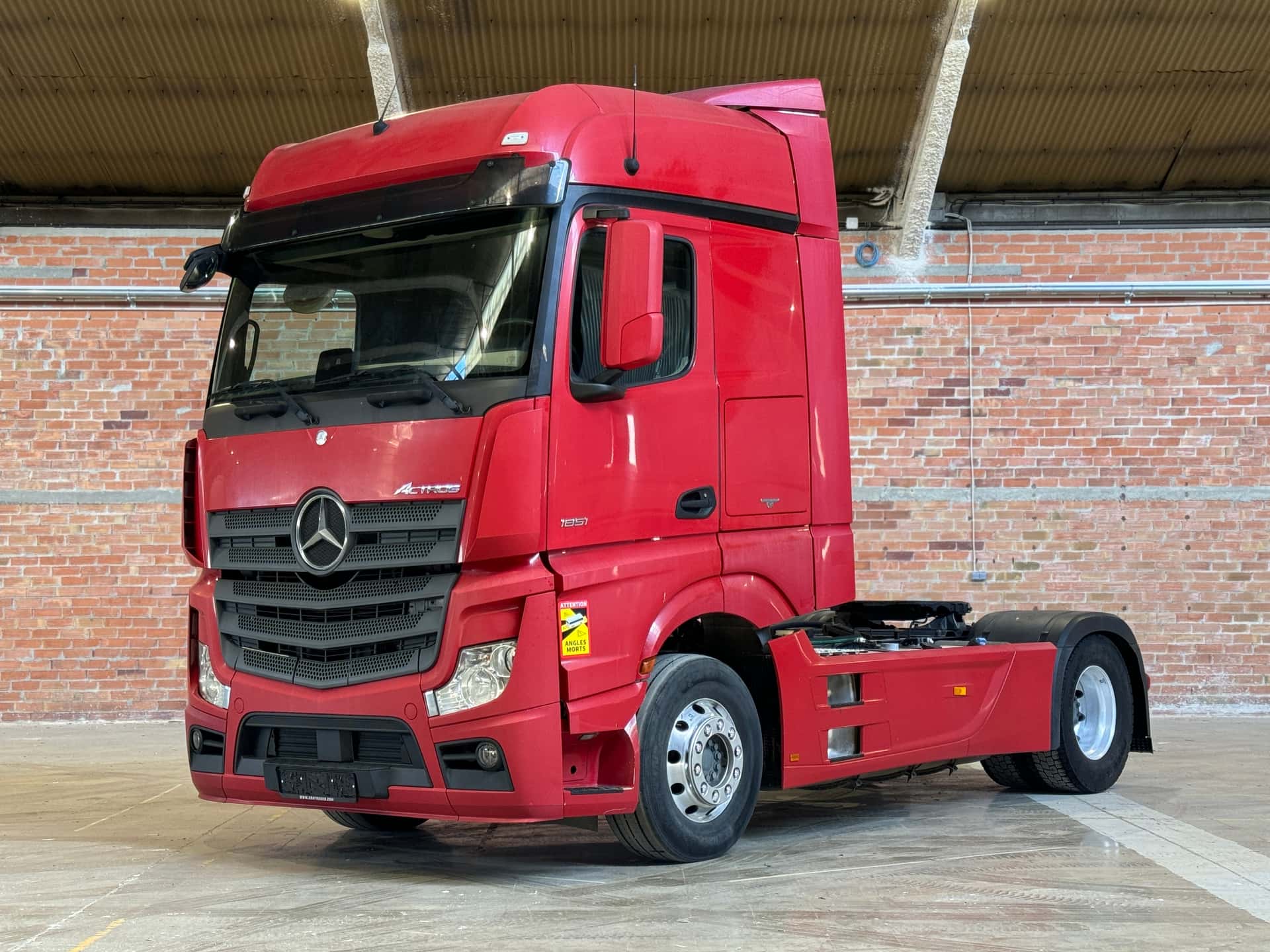
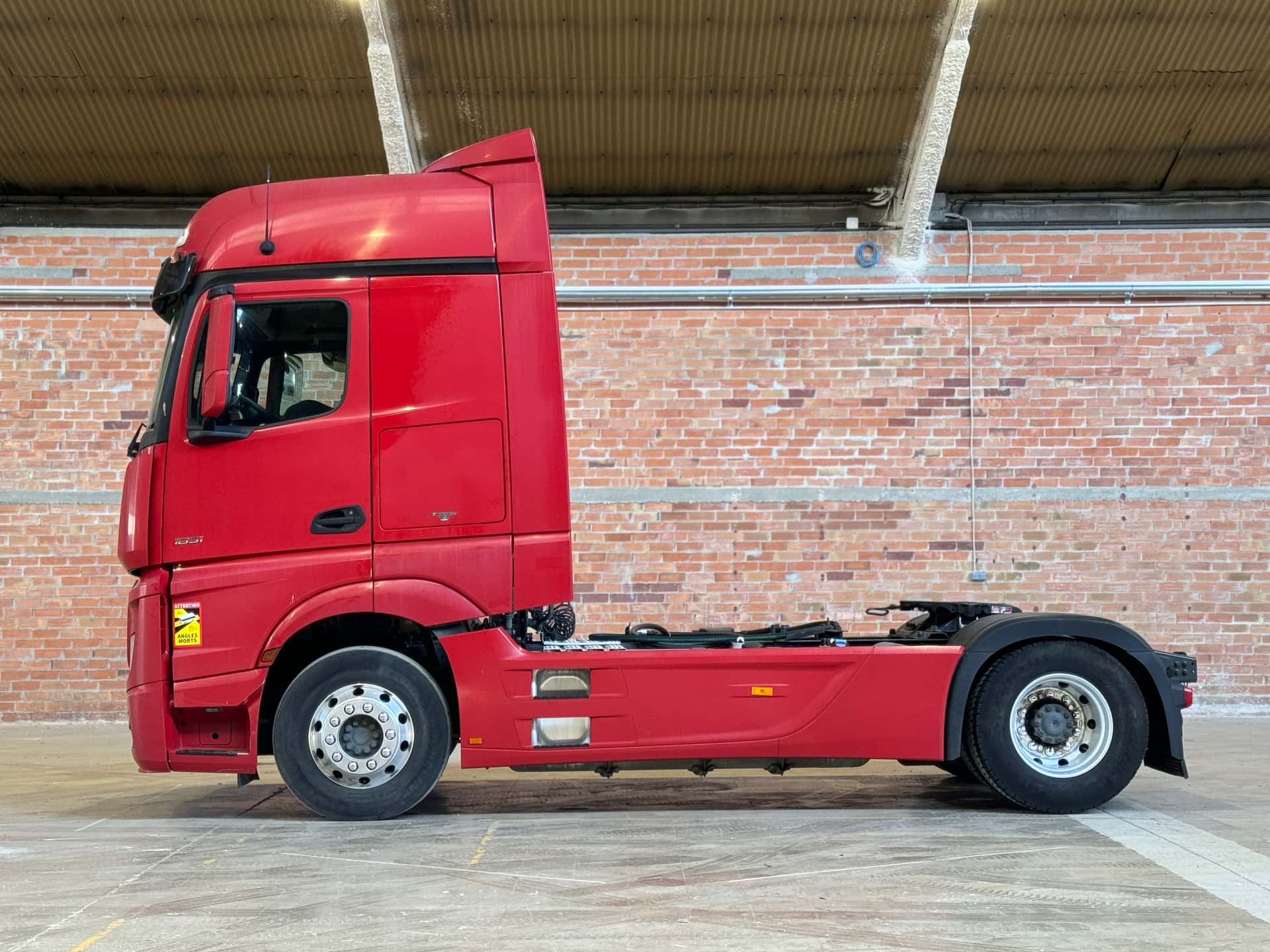
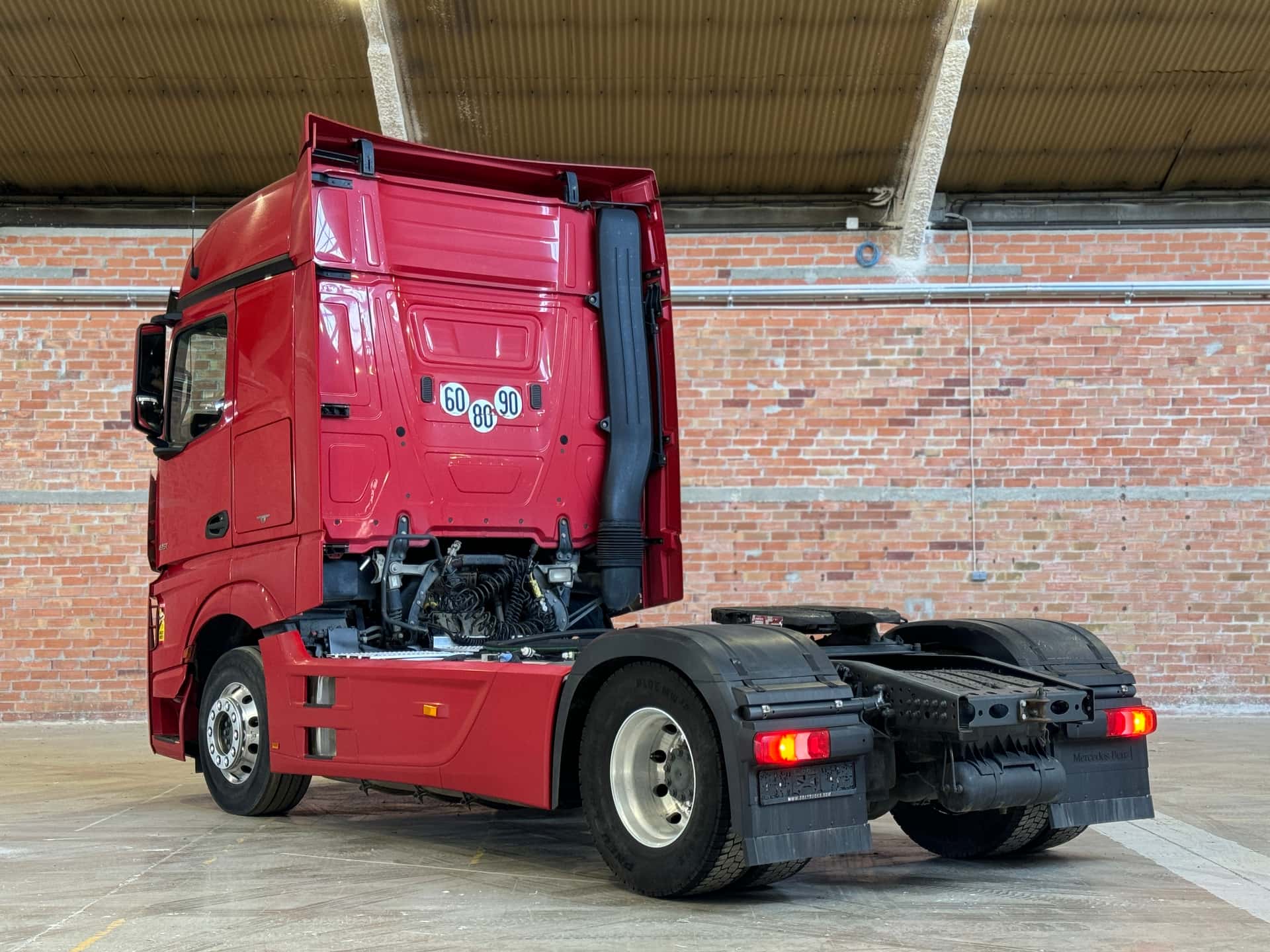
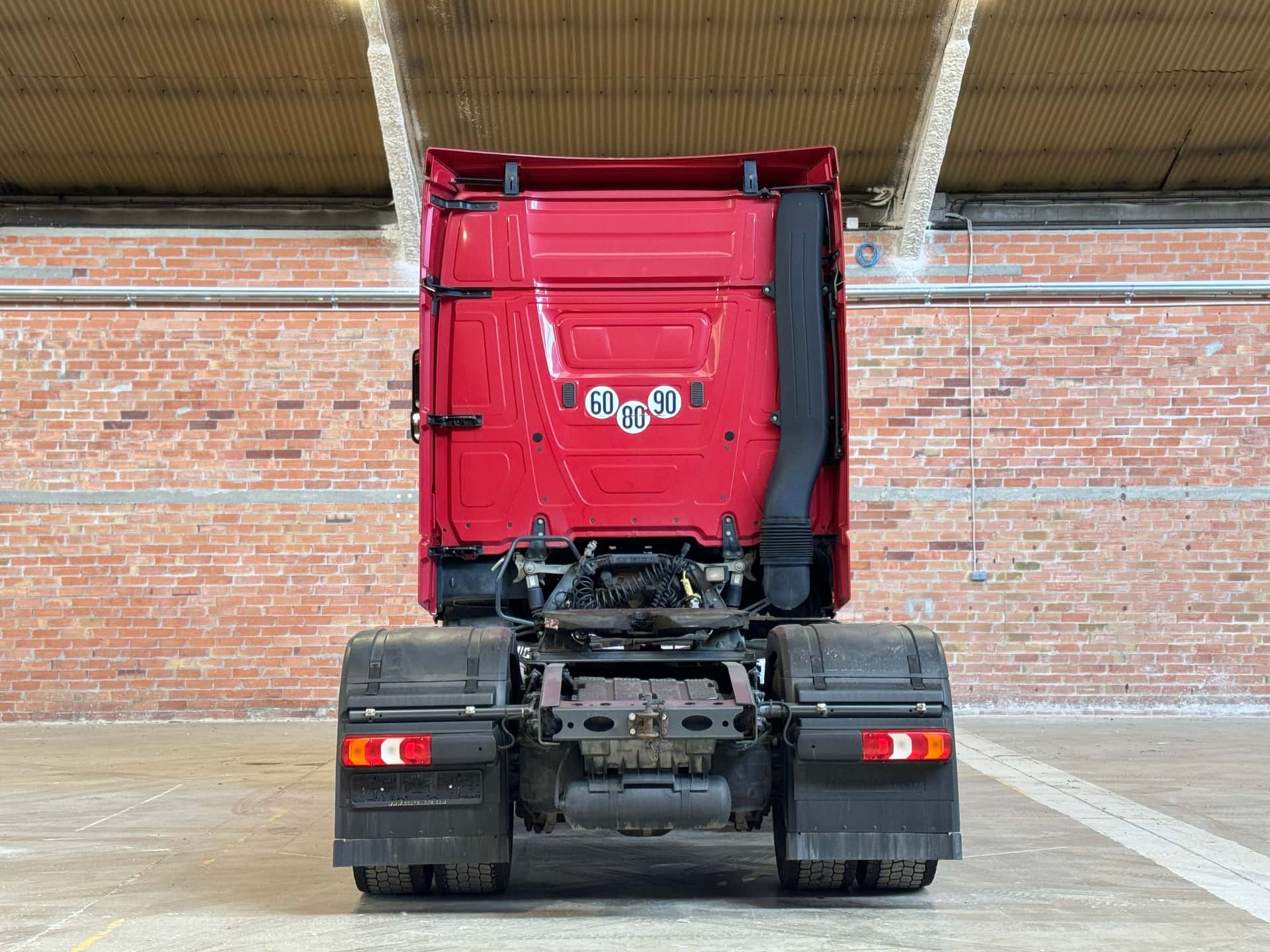
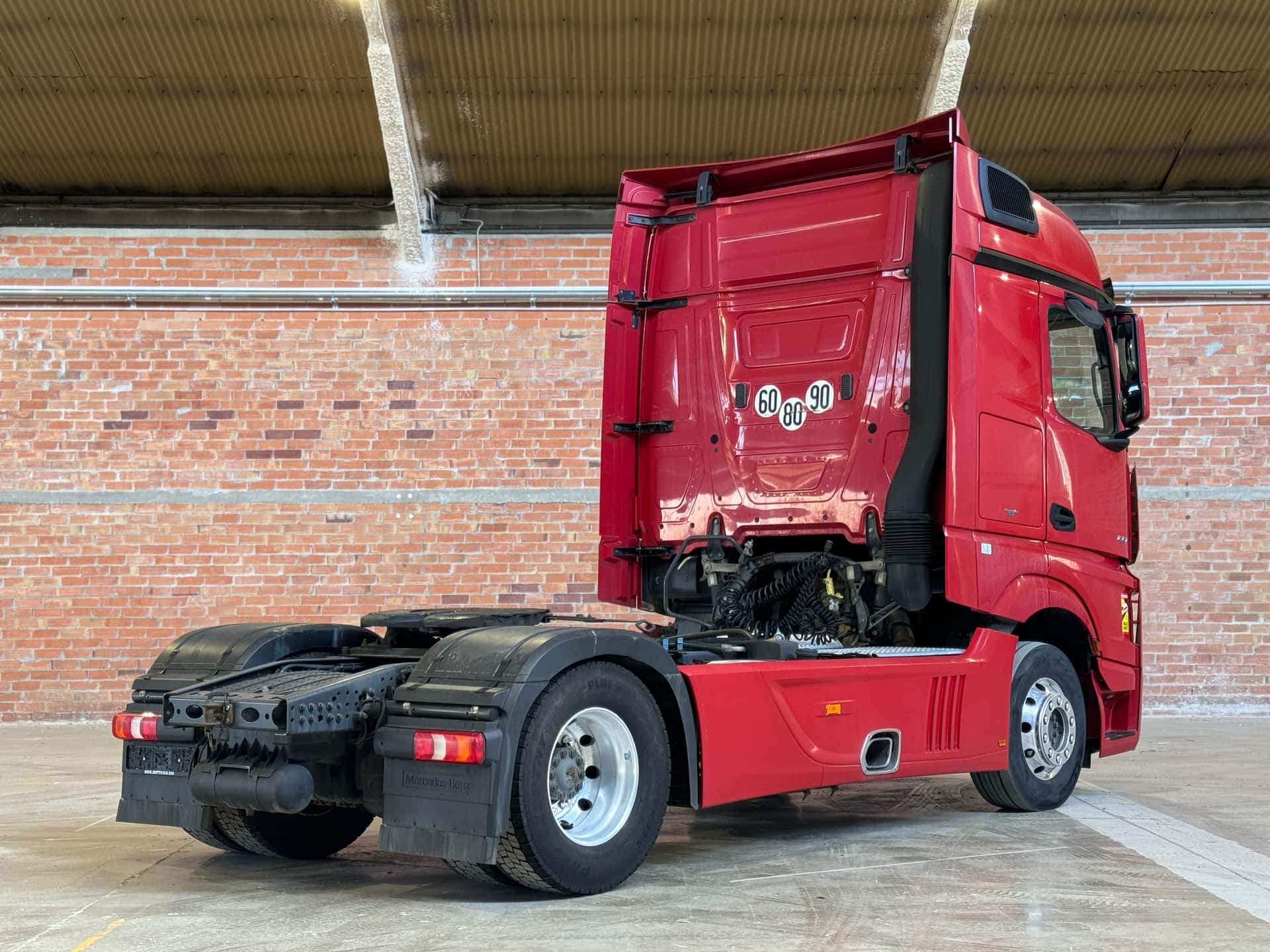
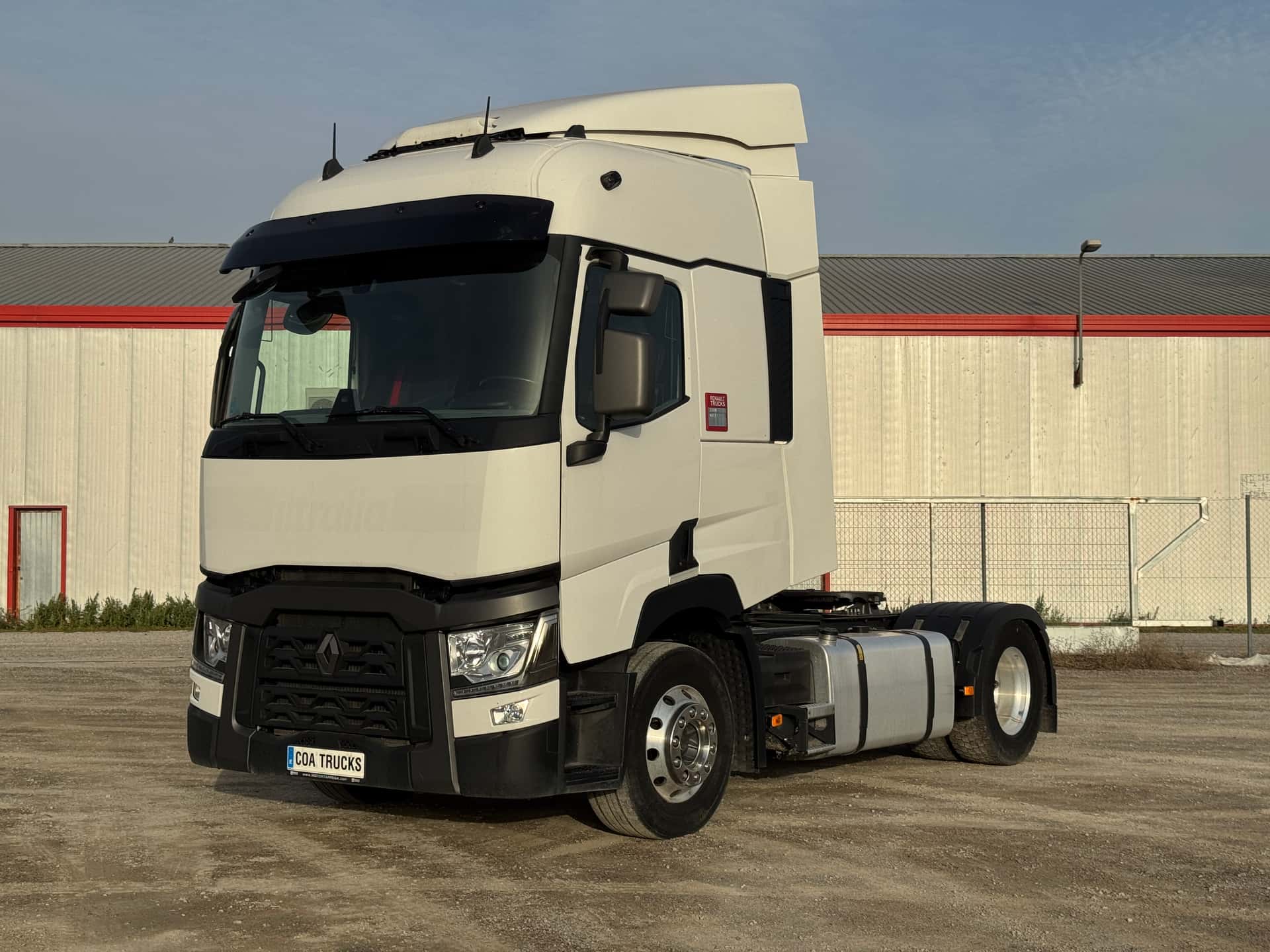
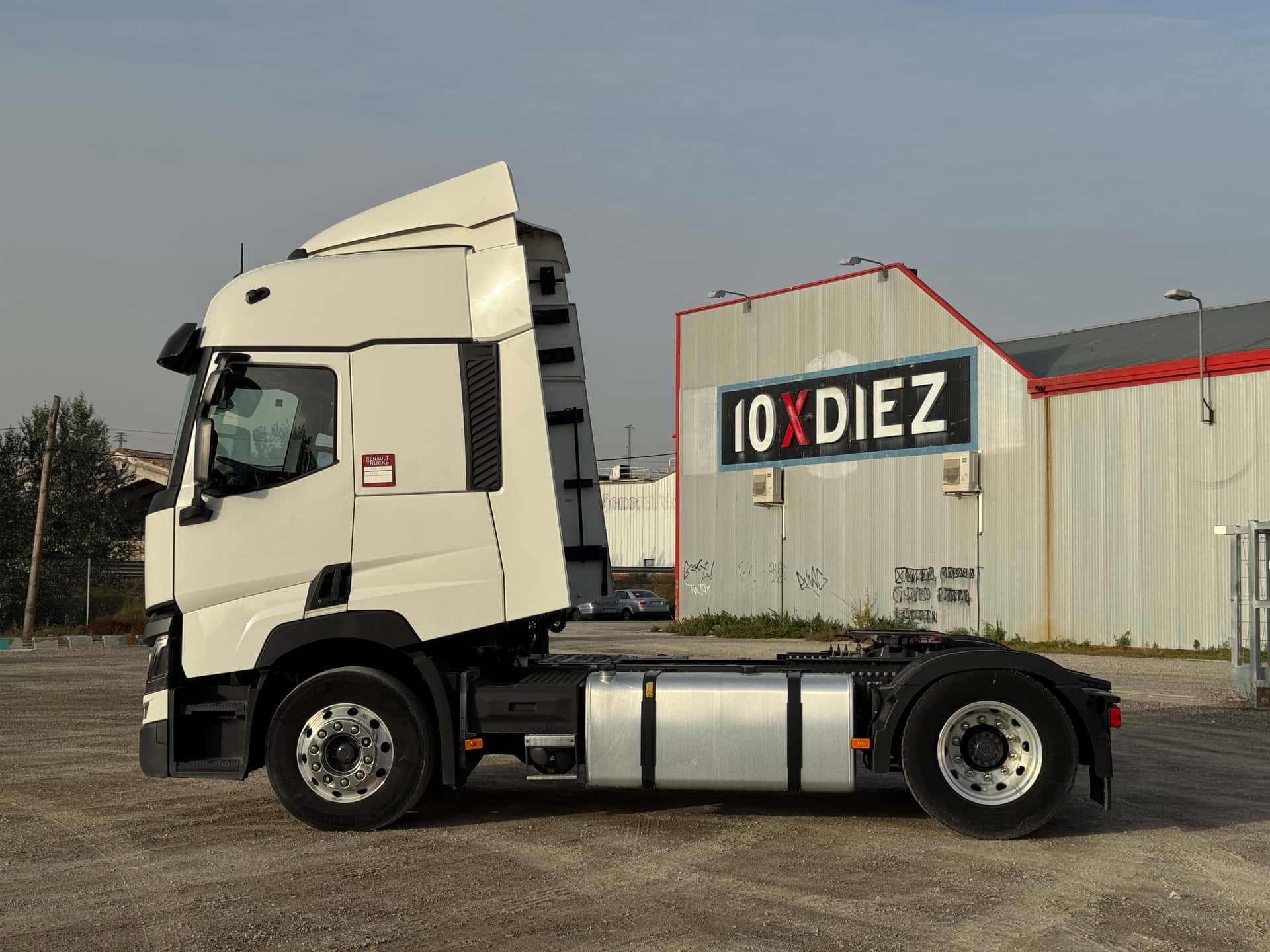
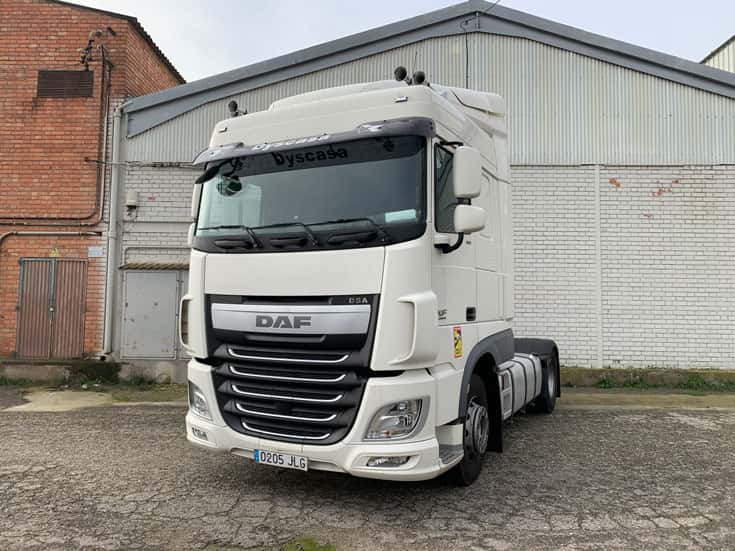
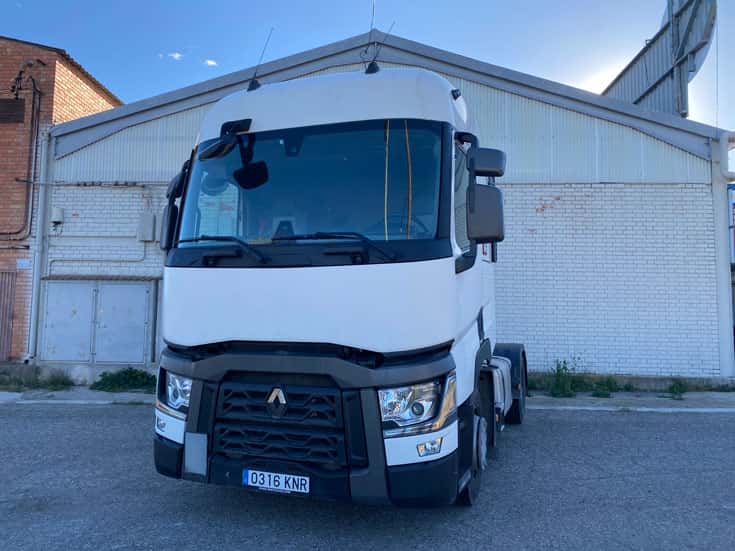
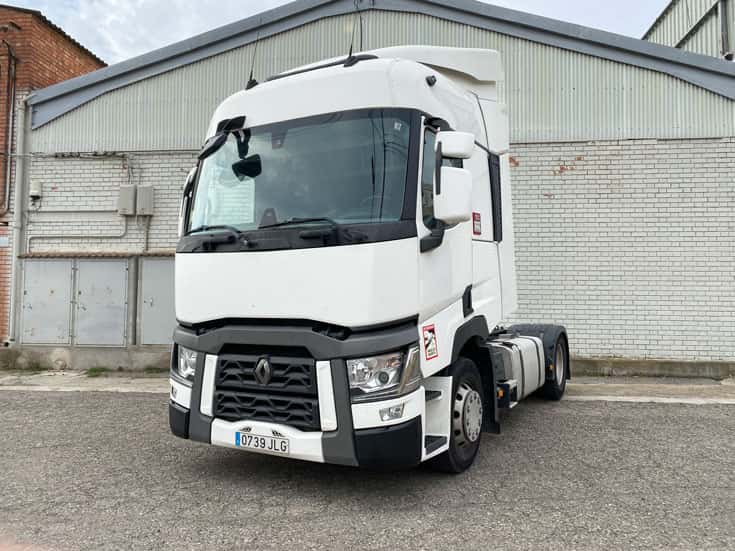
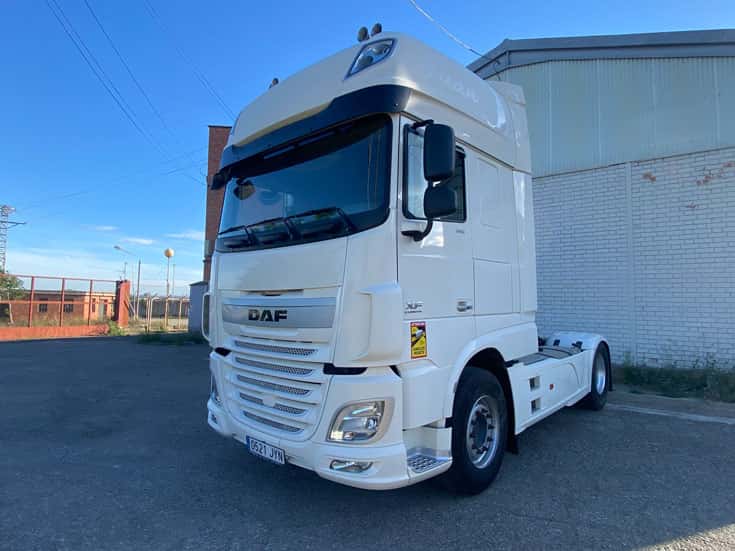
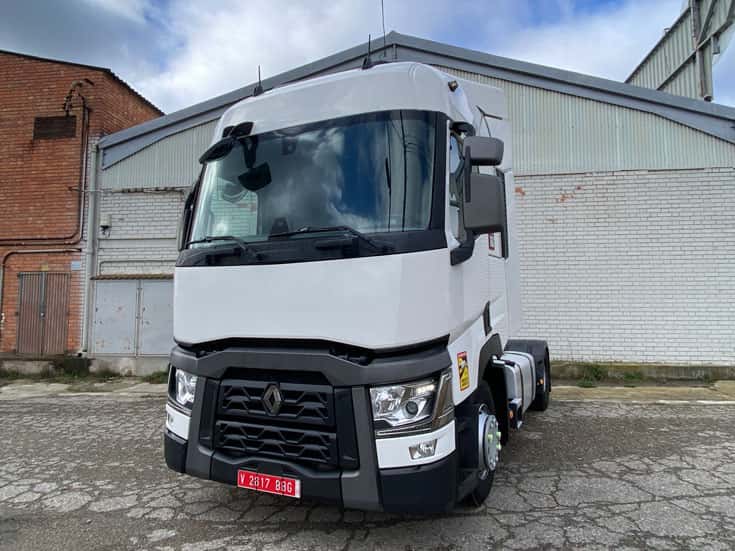
Buy used tractorheads with retarder: Voith, ZF Intarder and engine brake. Safety on mountain routes.