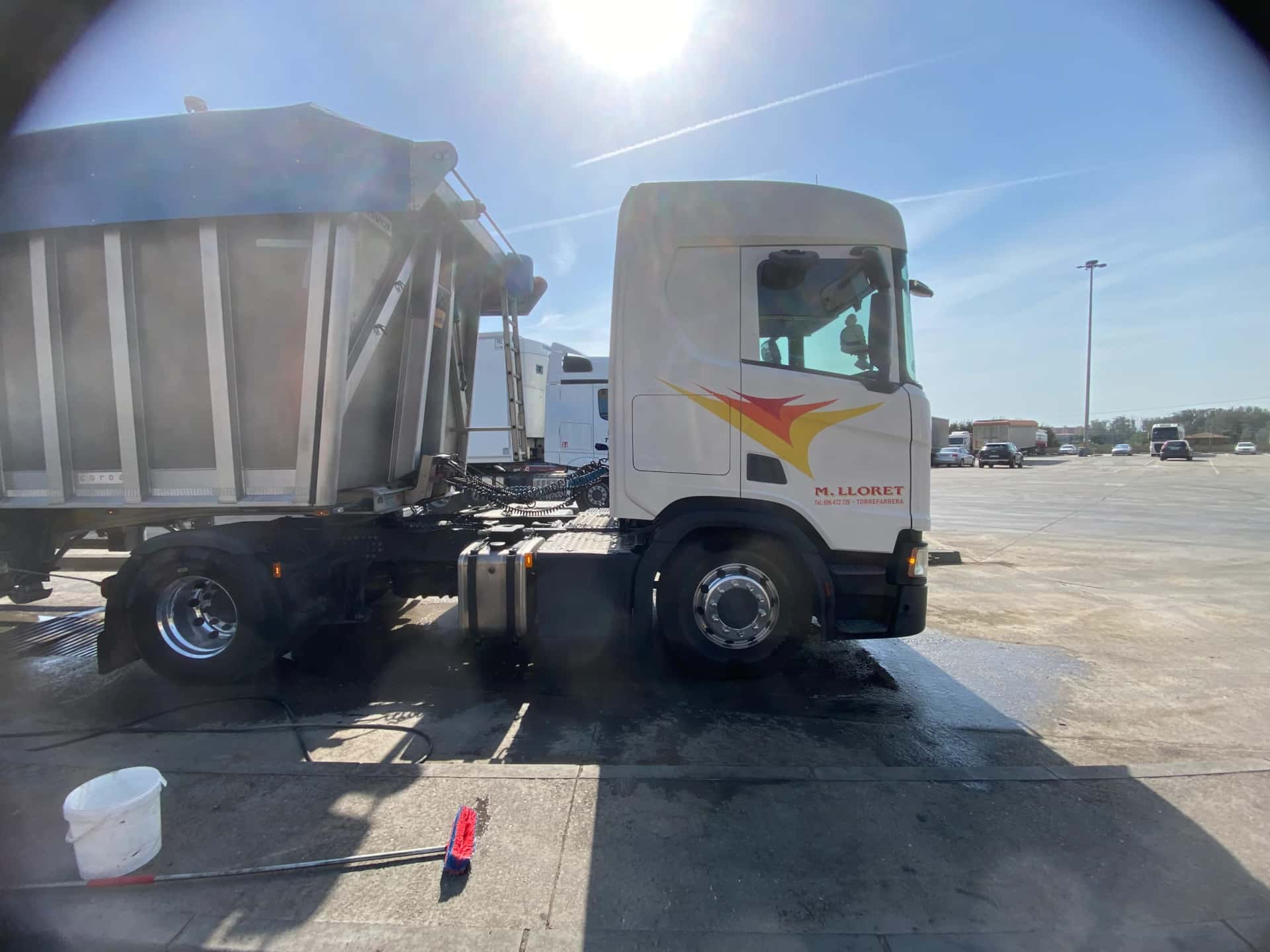
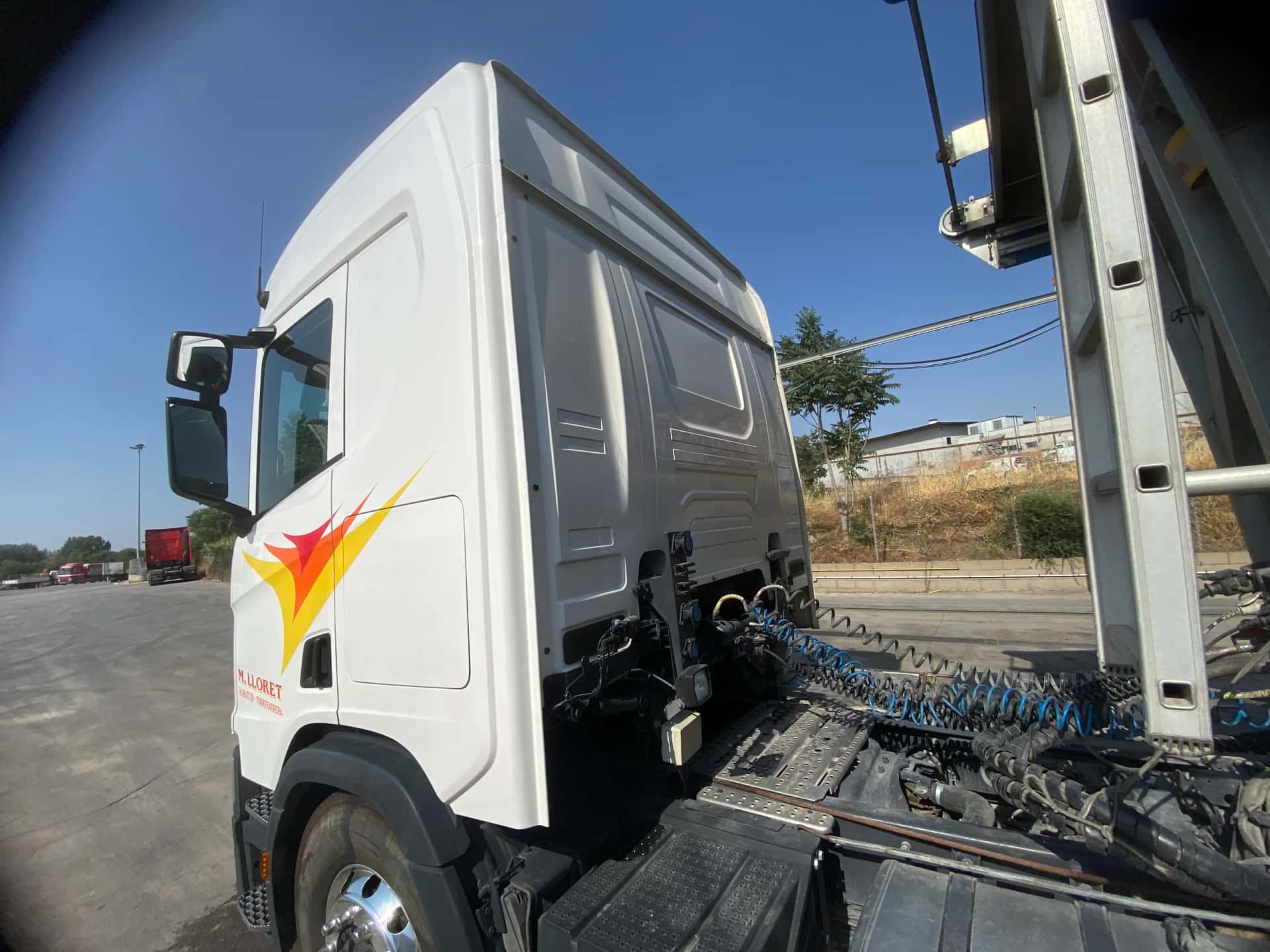
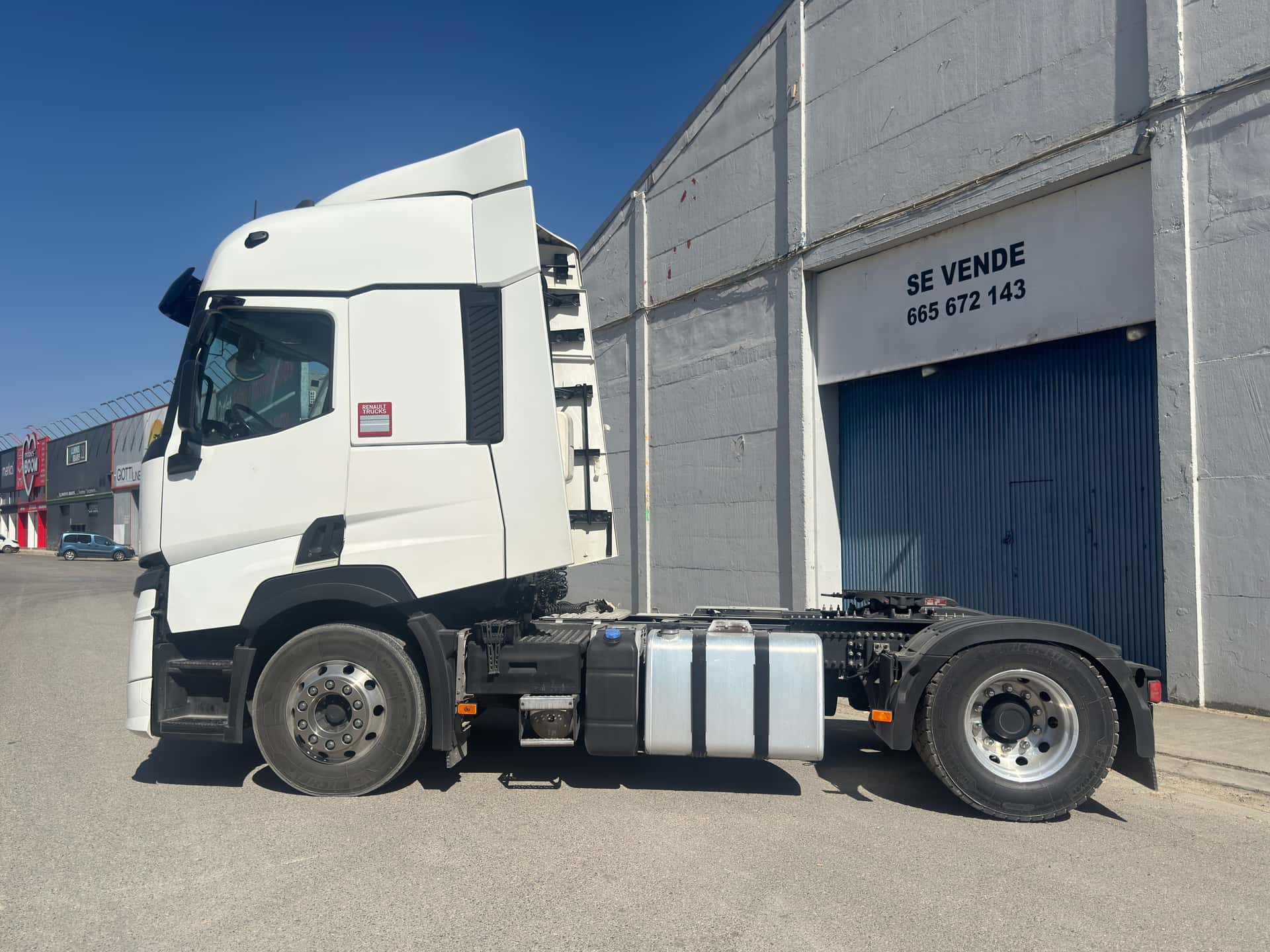
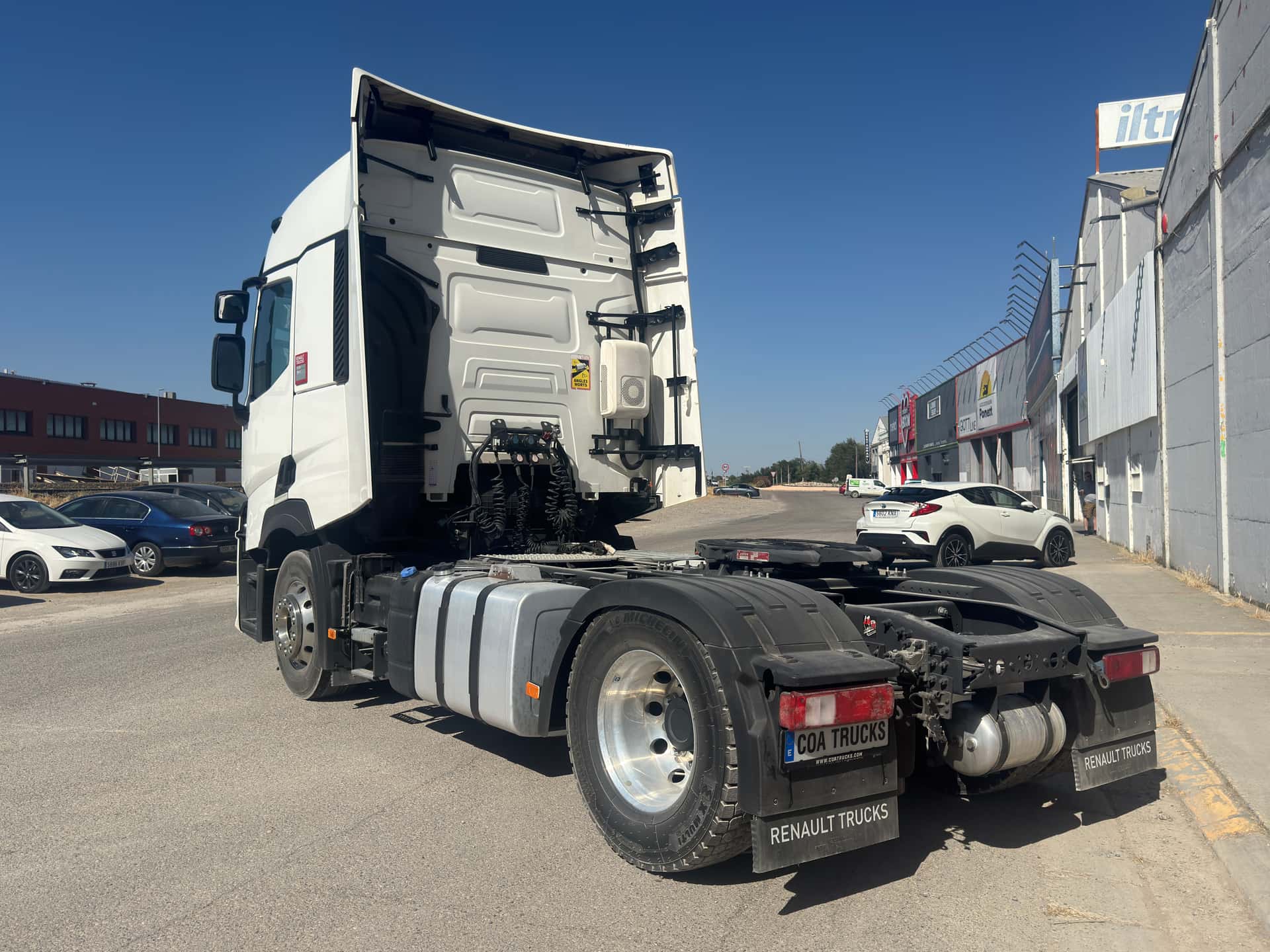
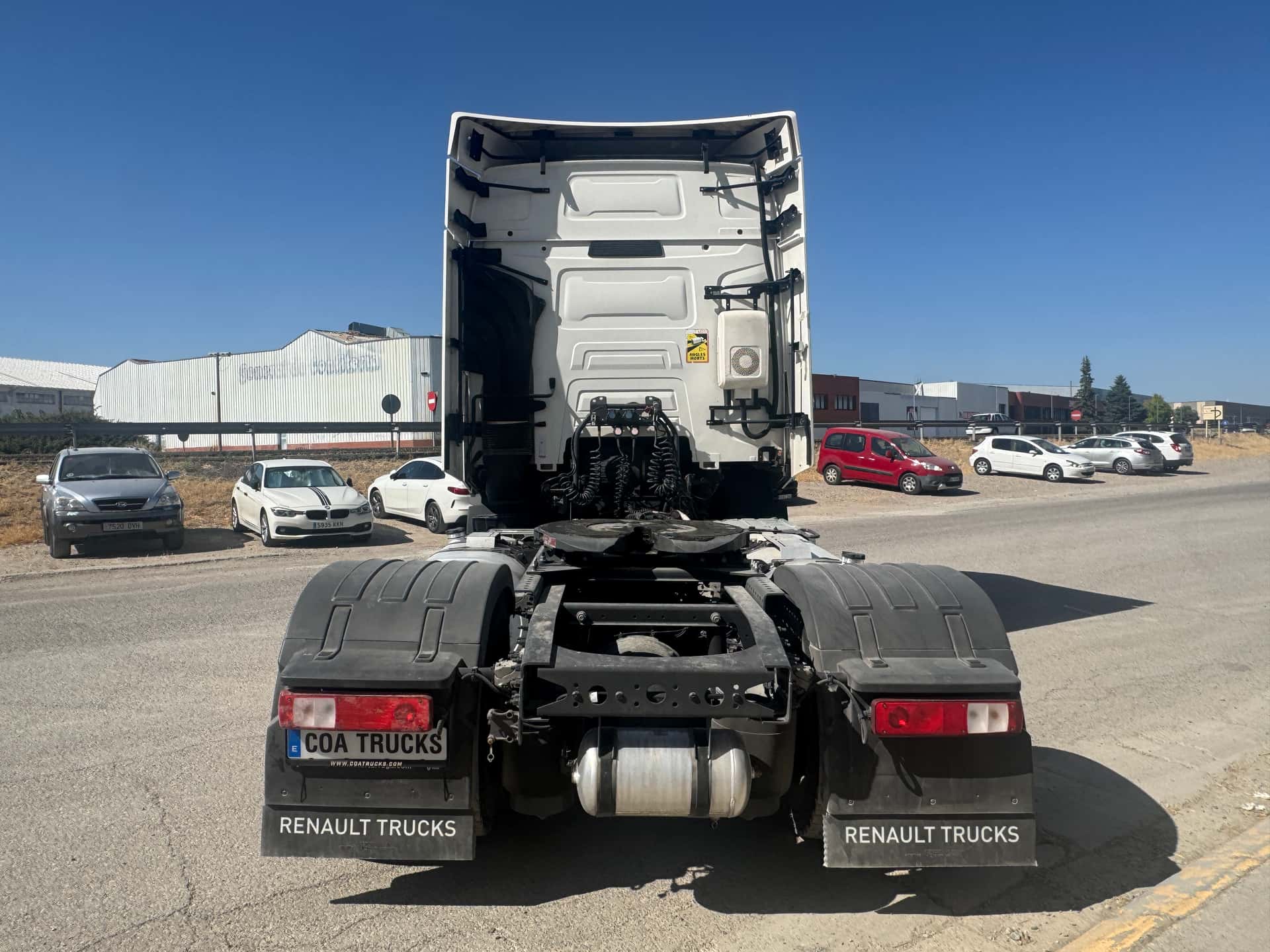
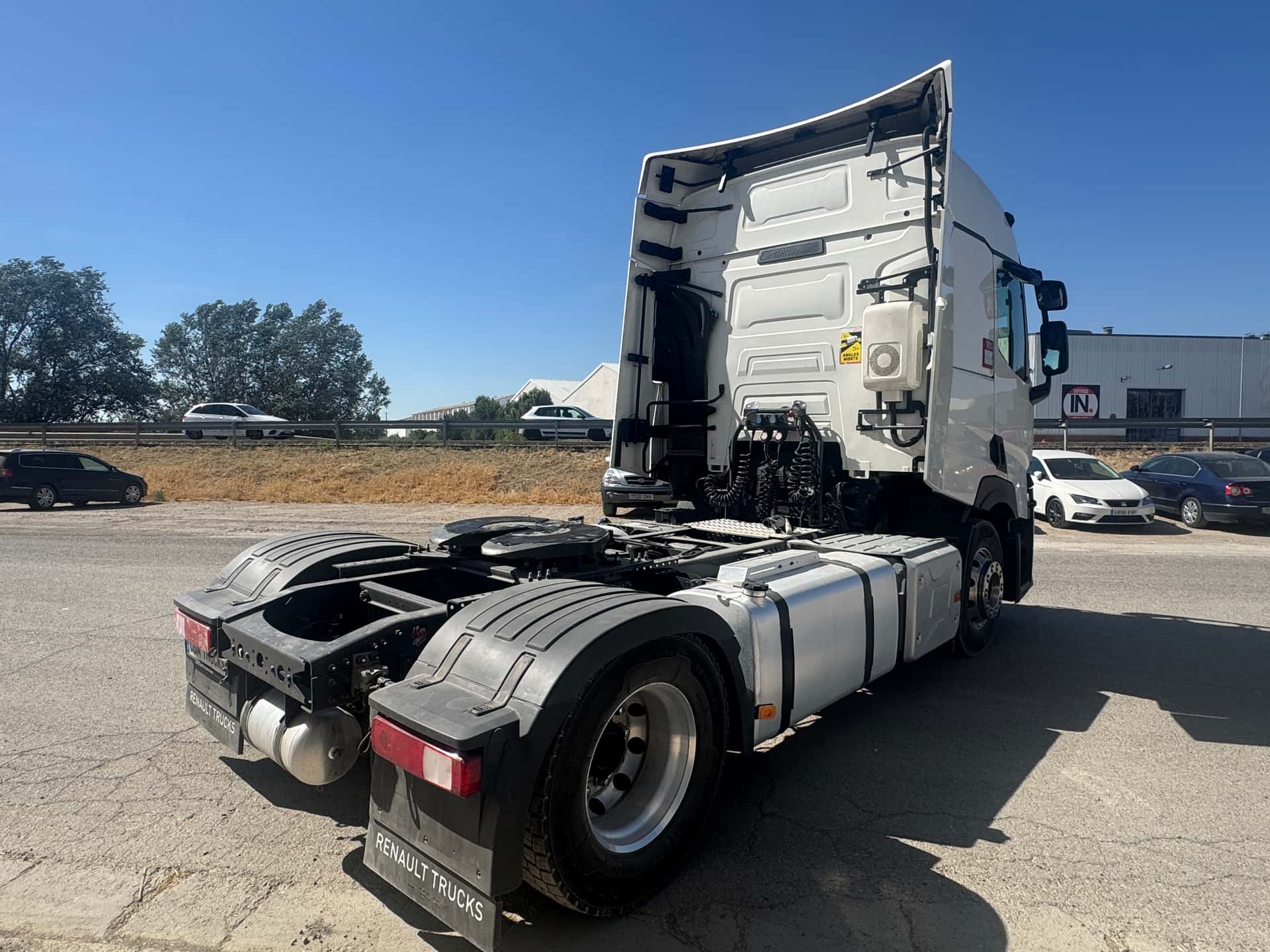
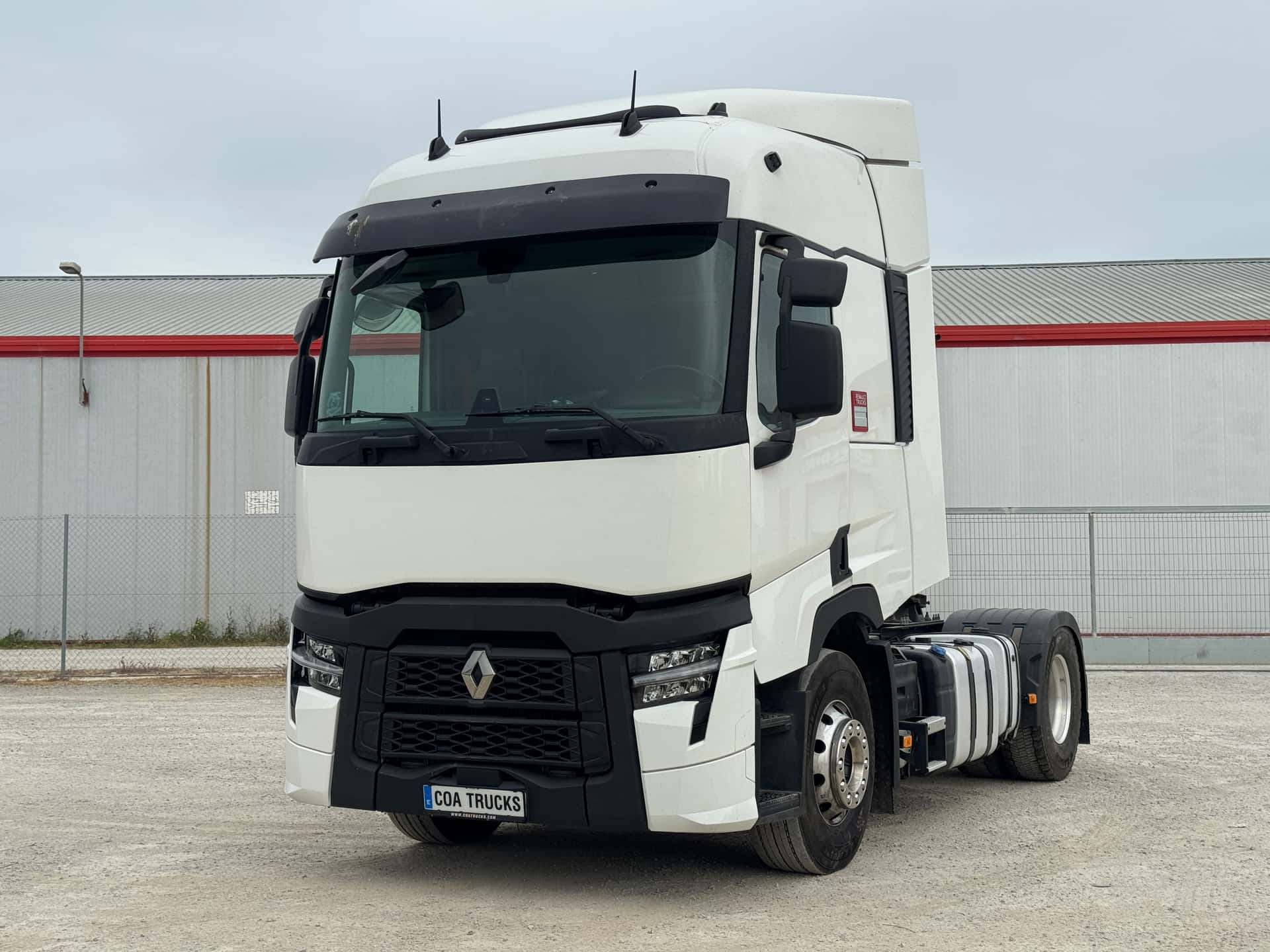
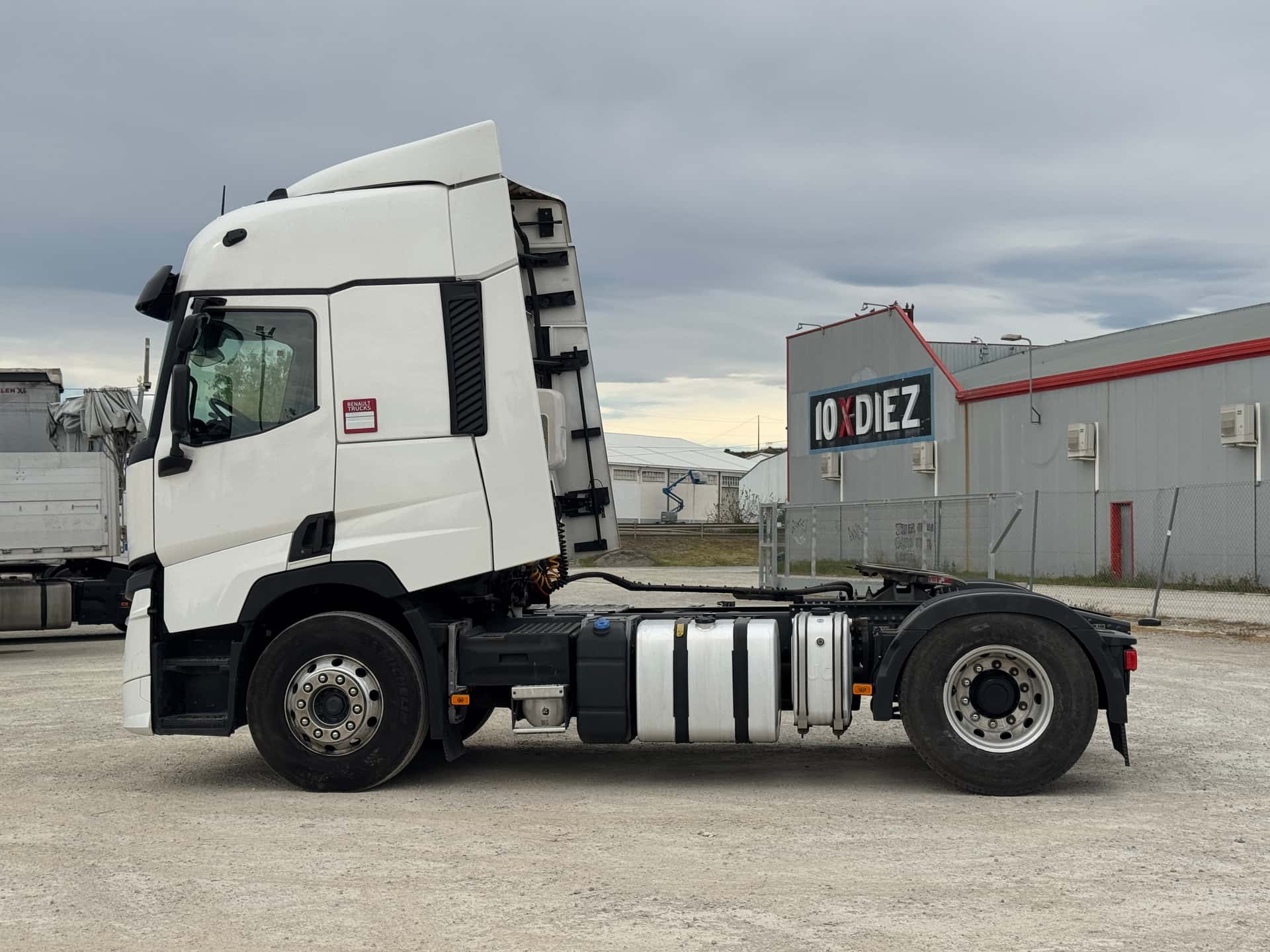
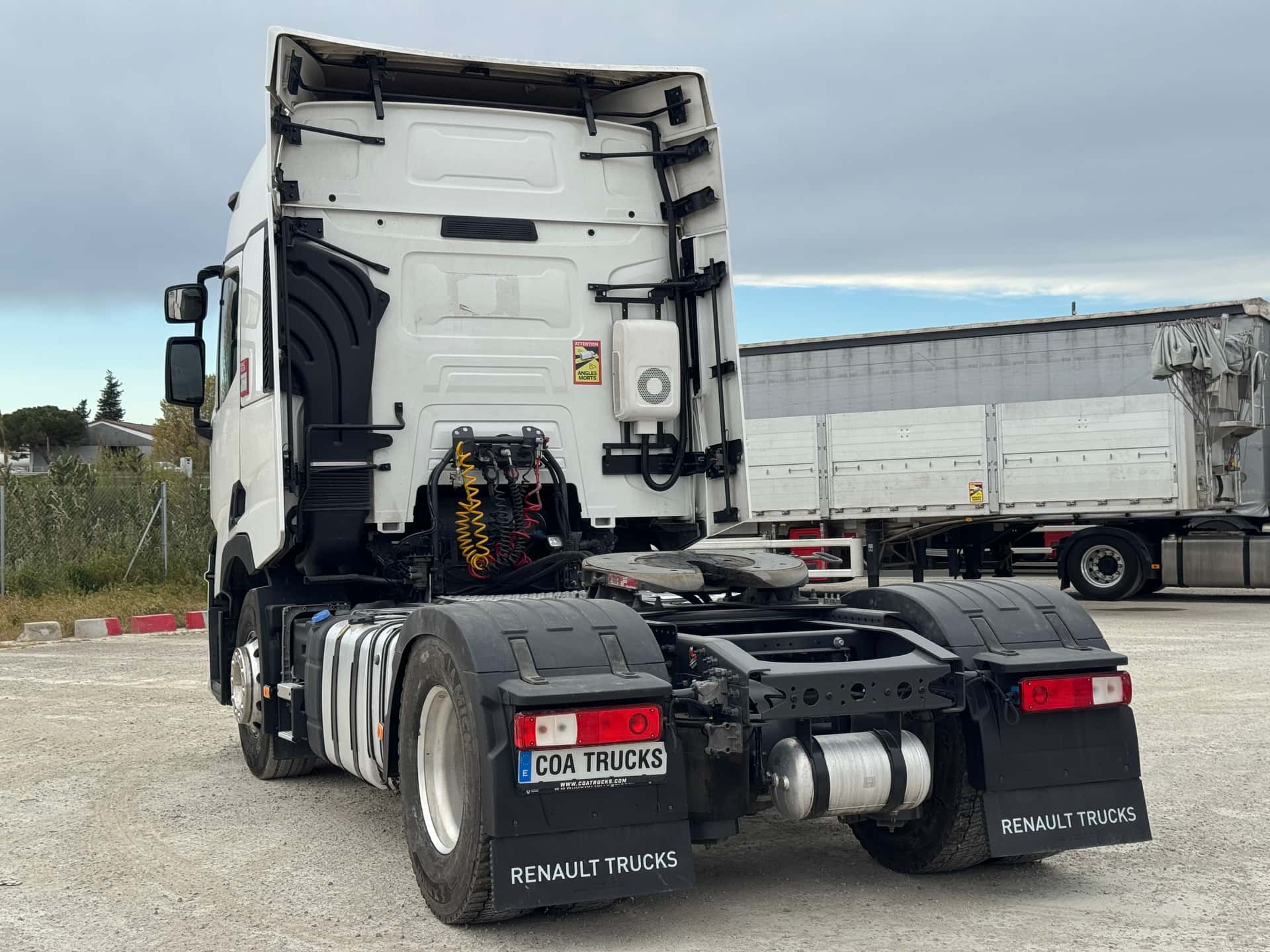
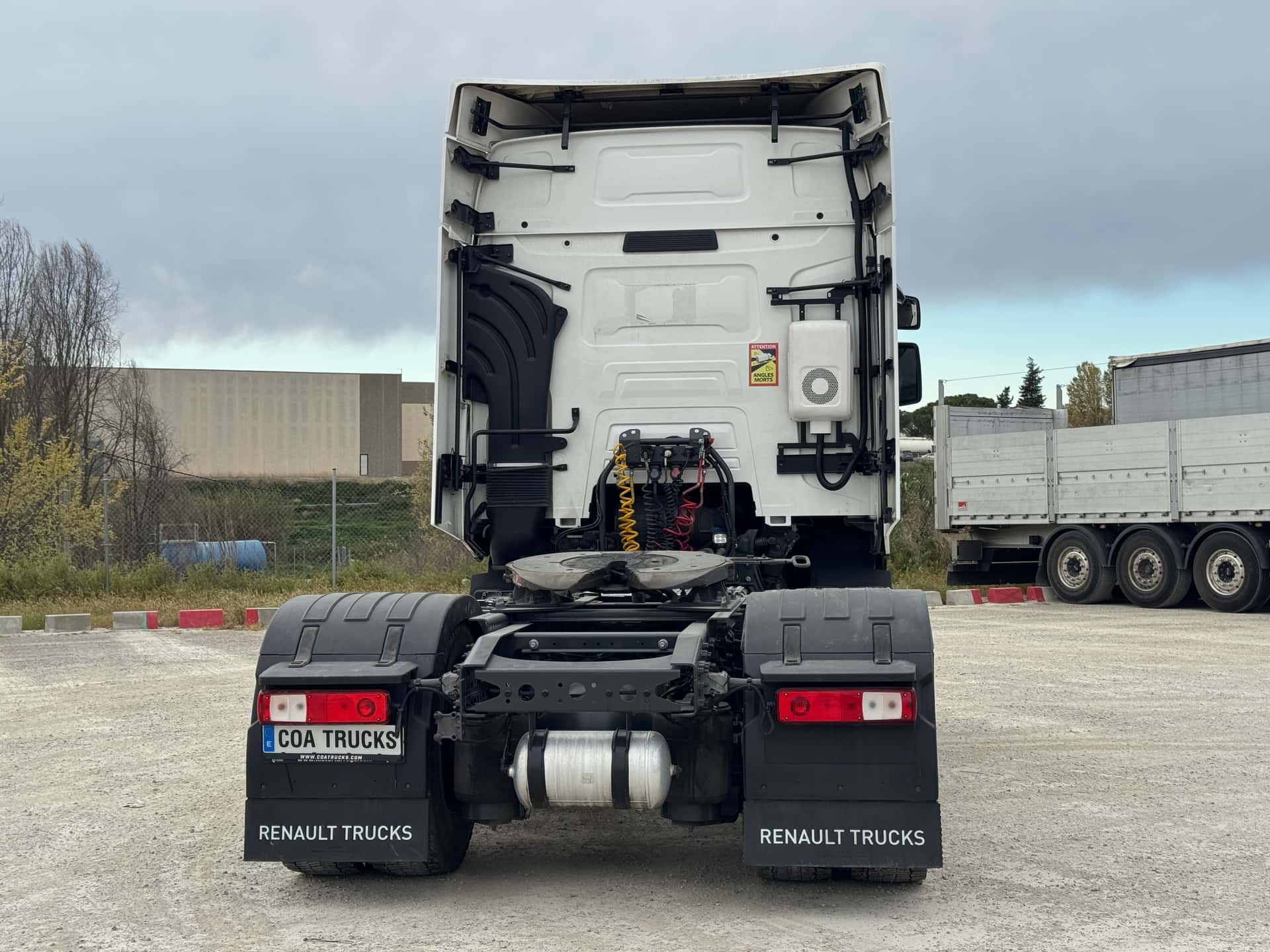
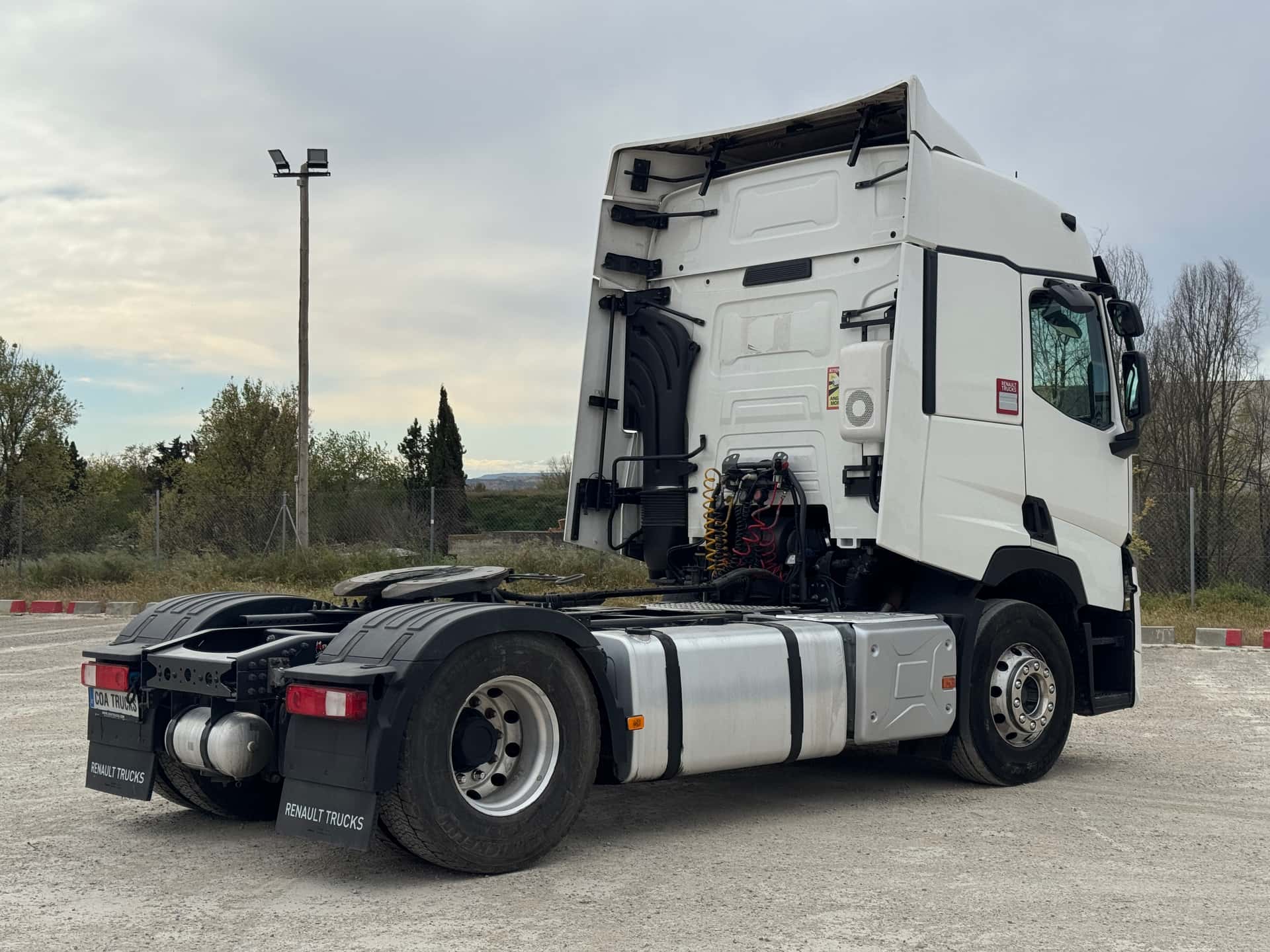
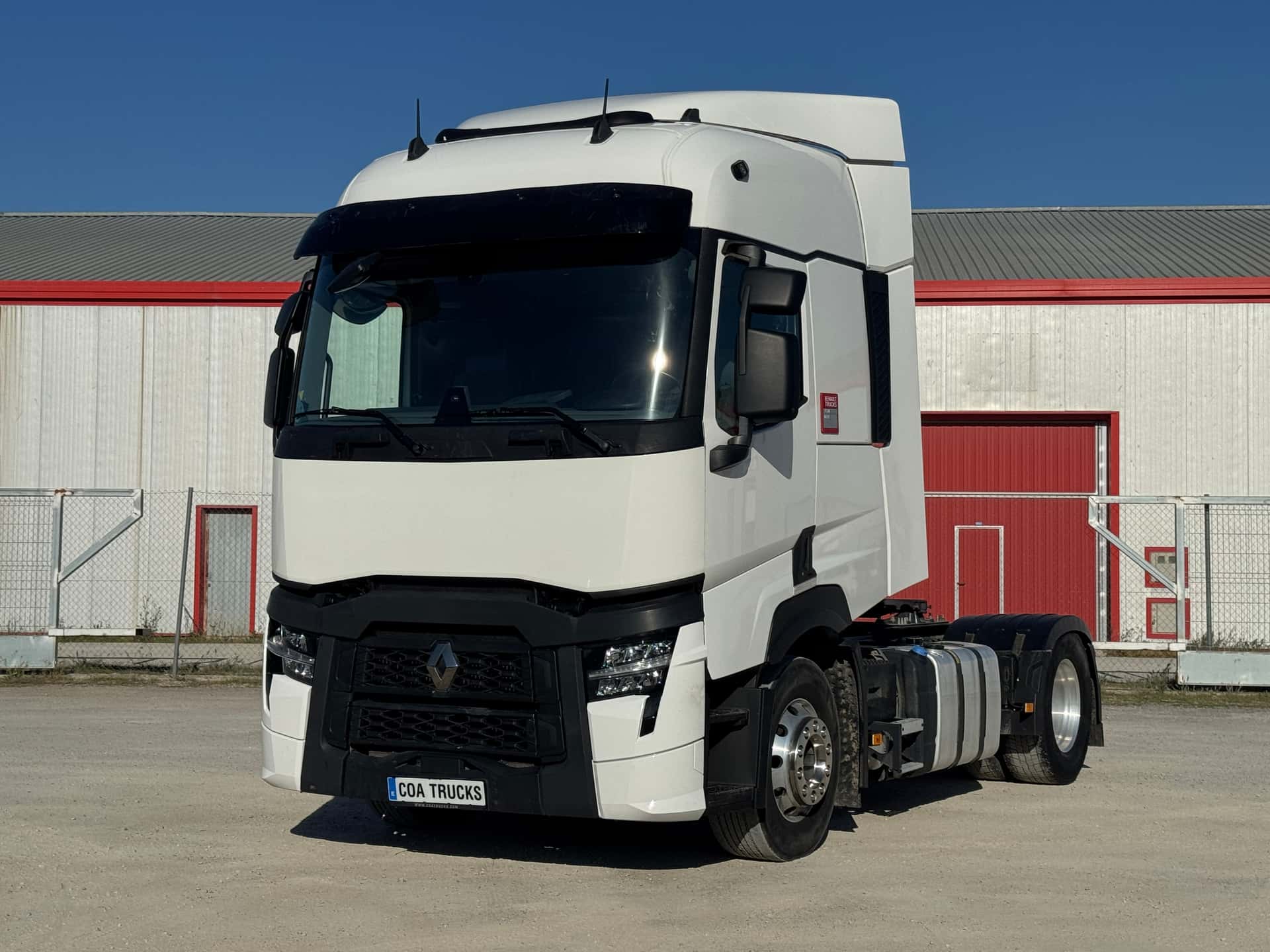
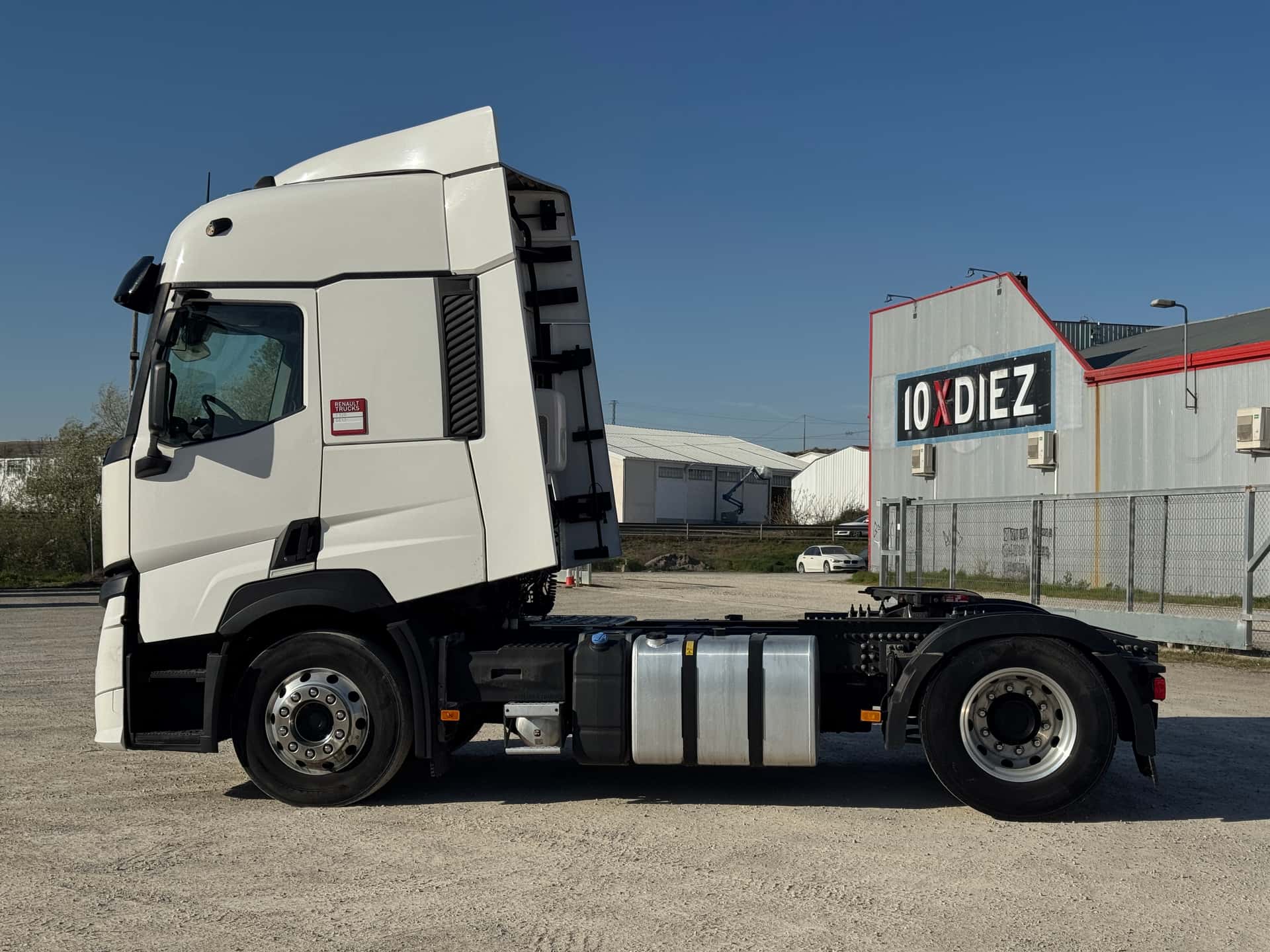
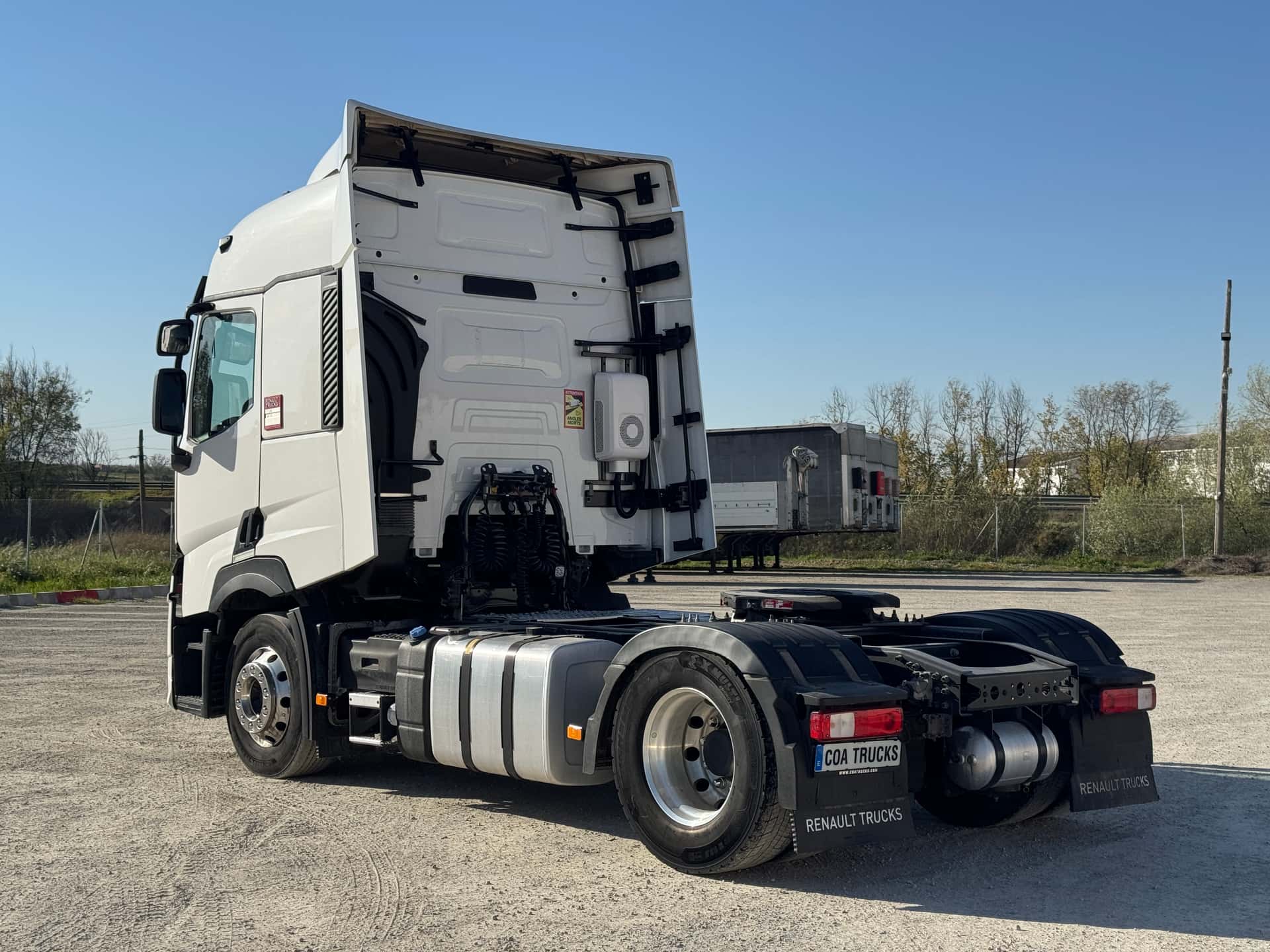
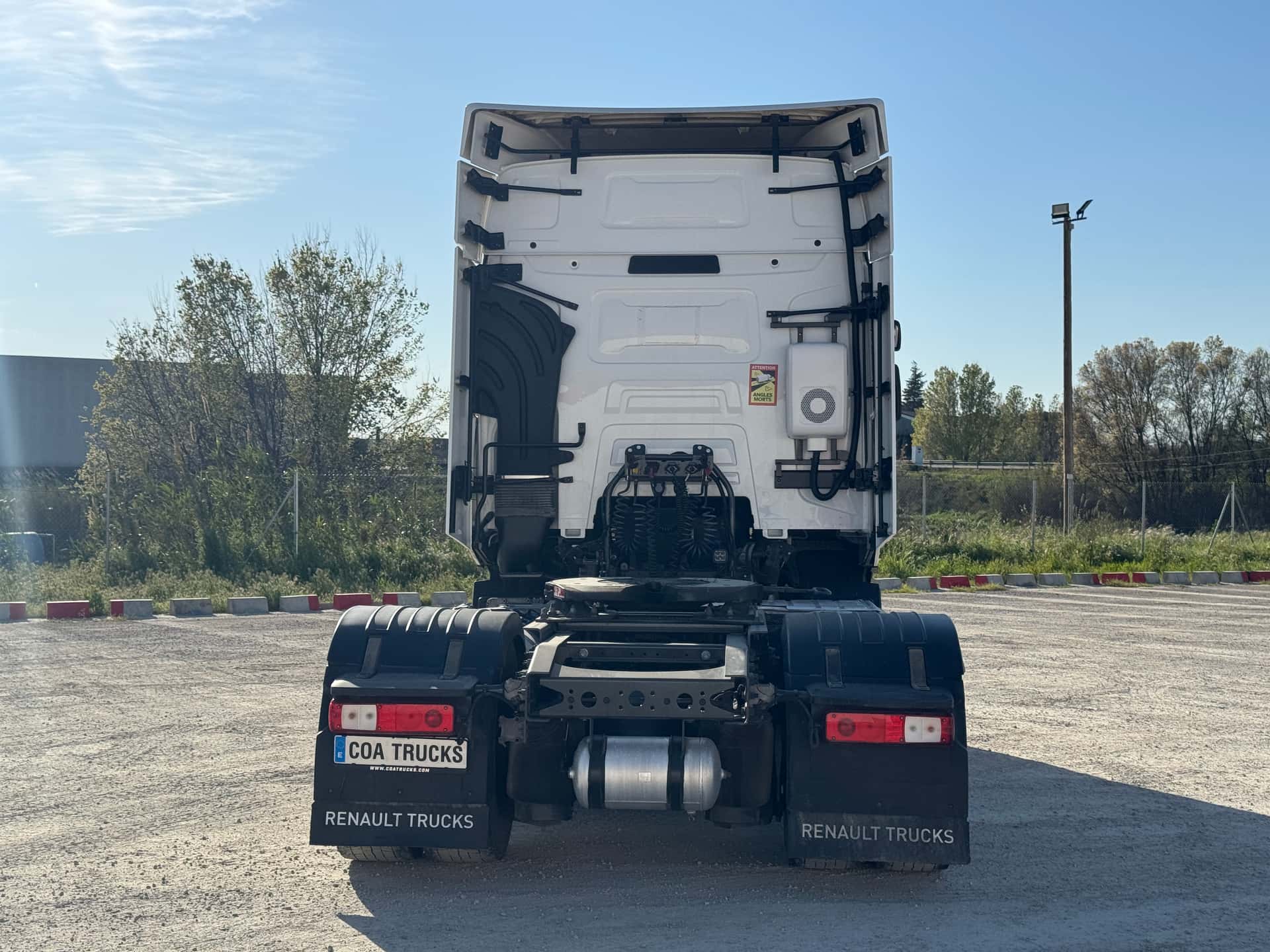
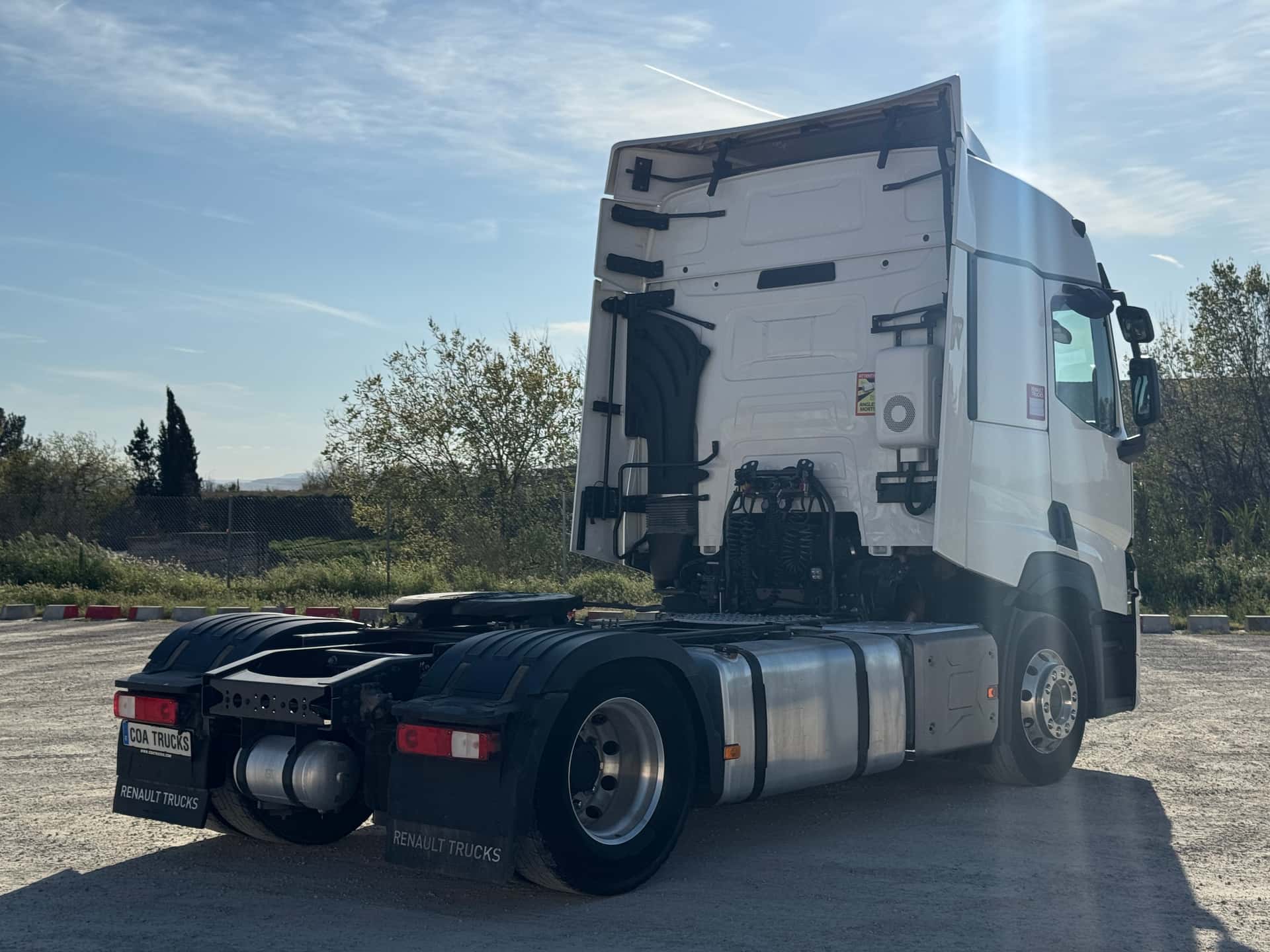
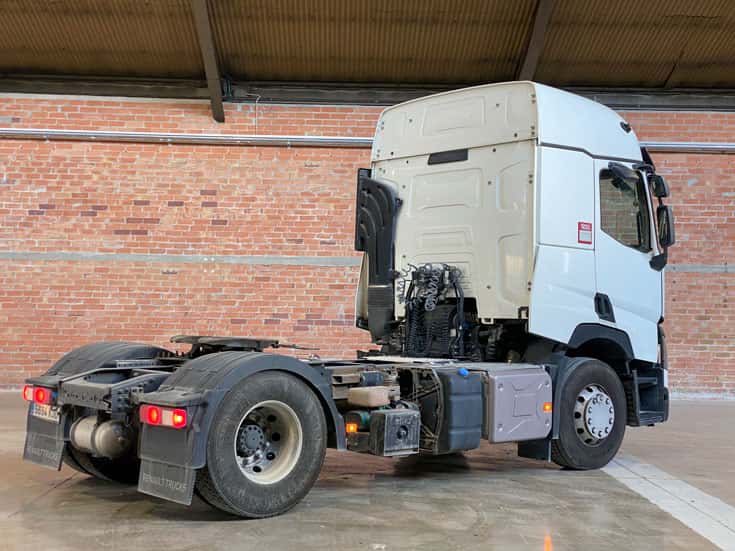
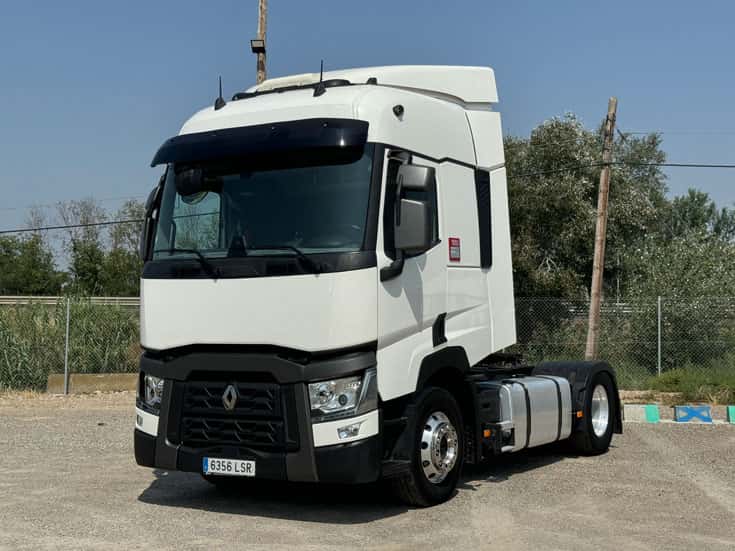
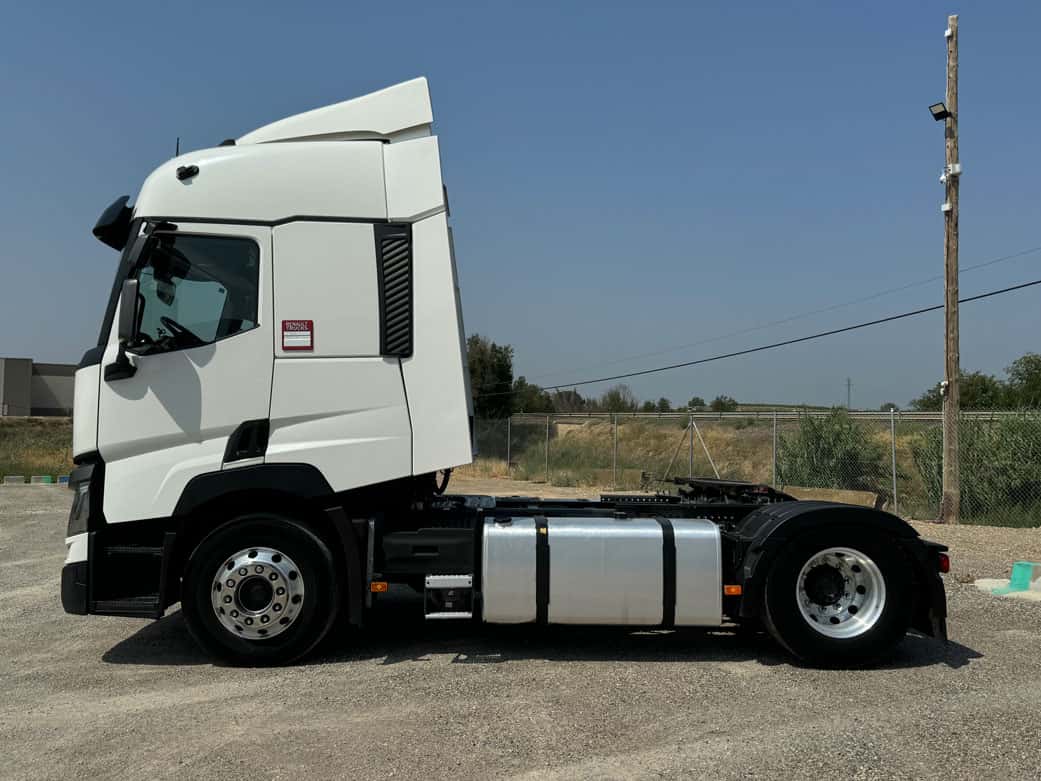
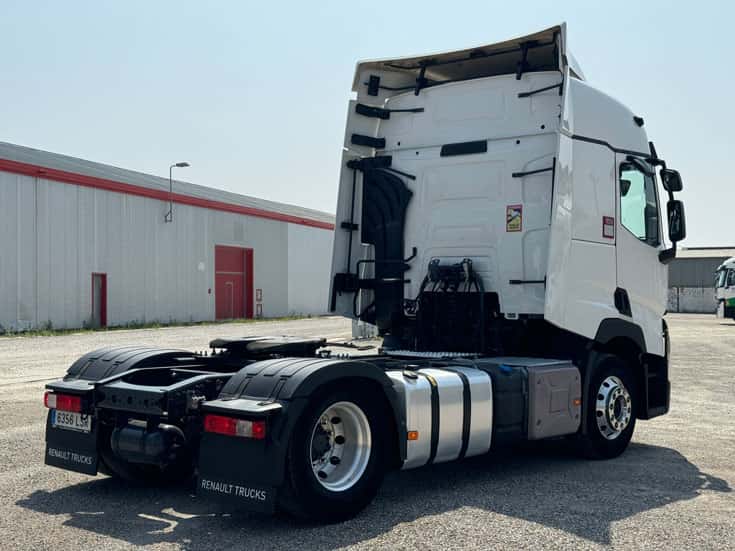
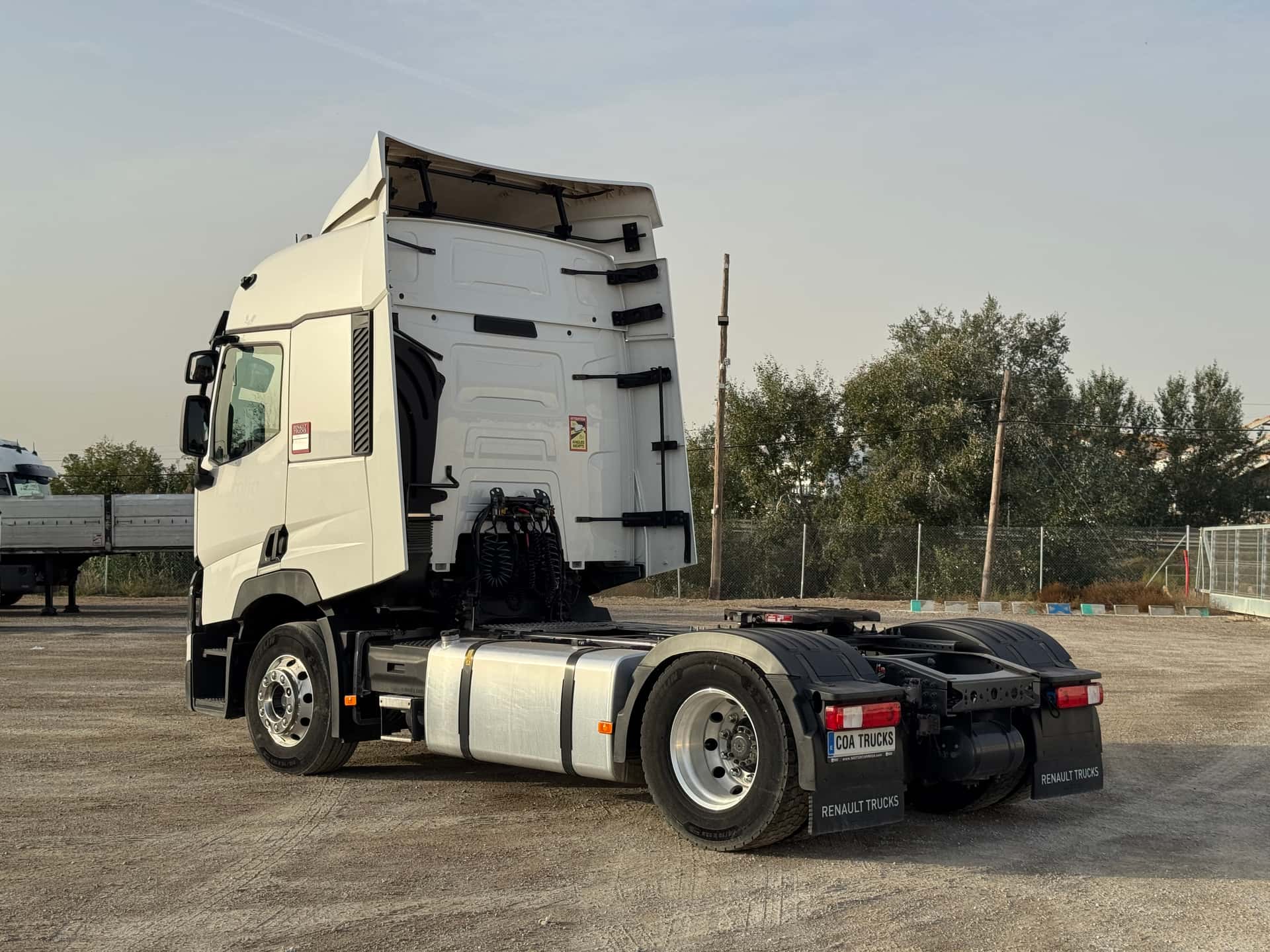
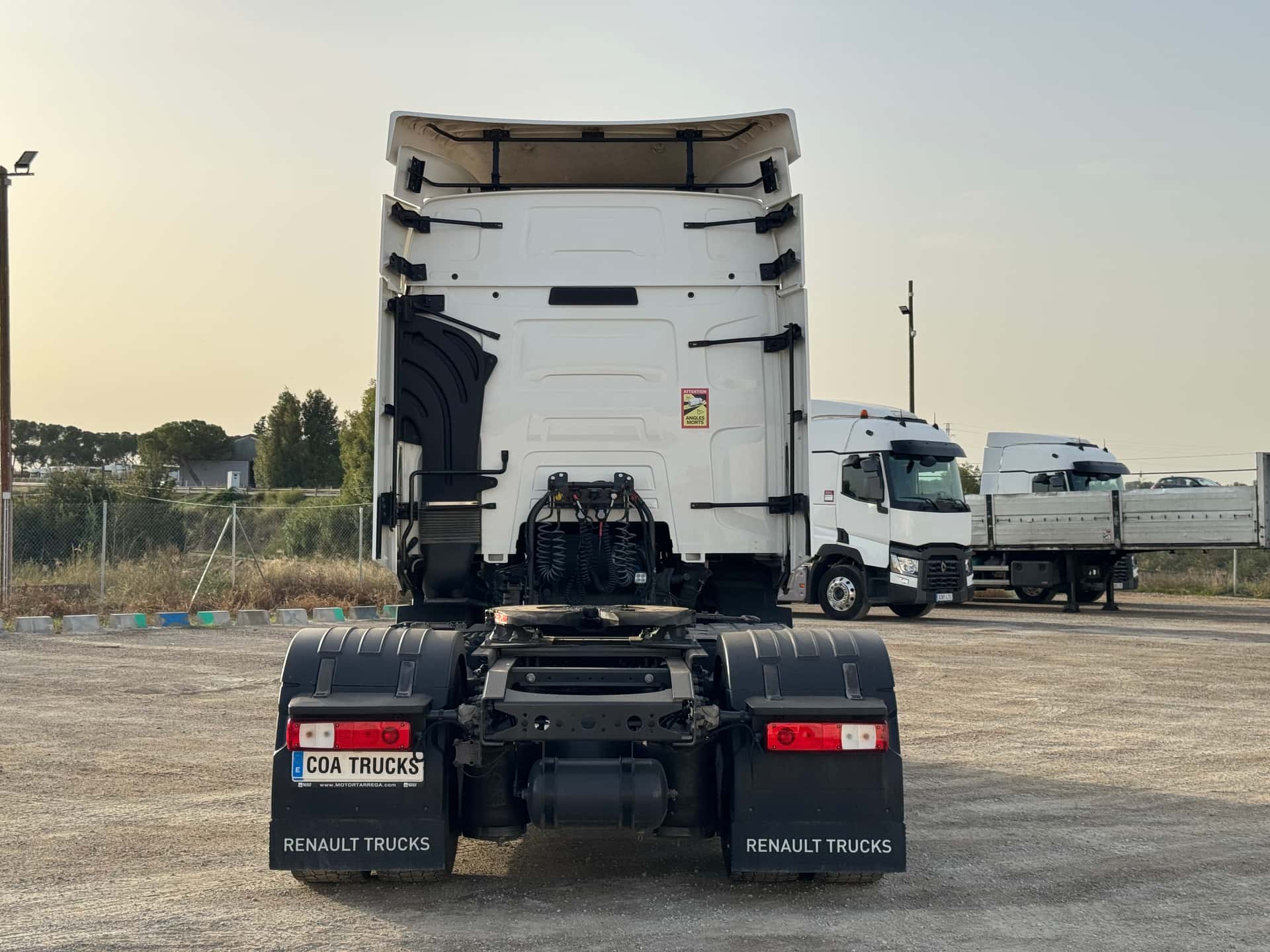
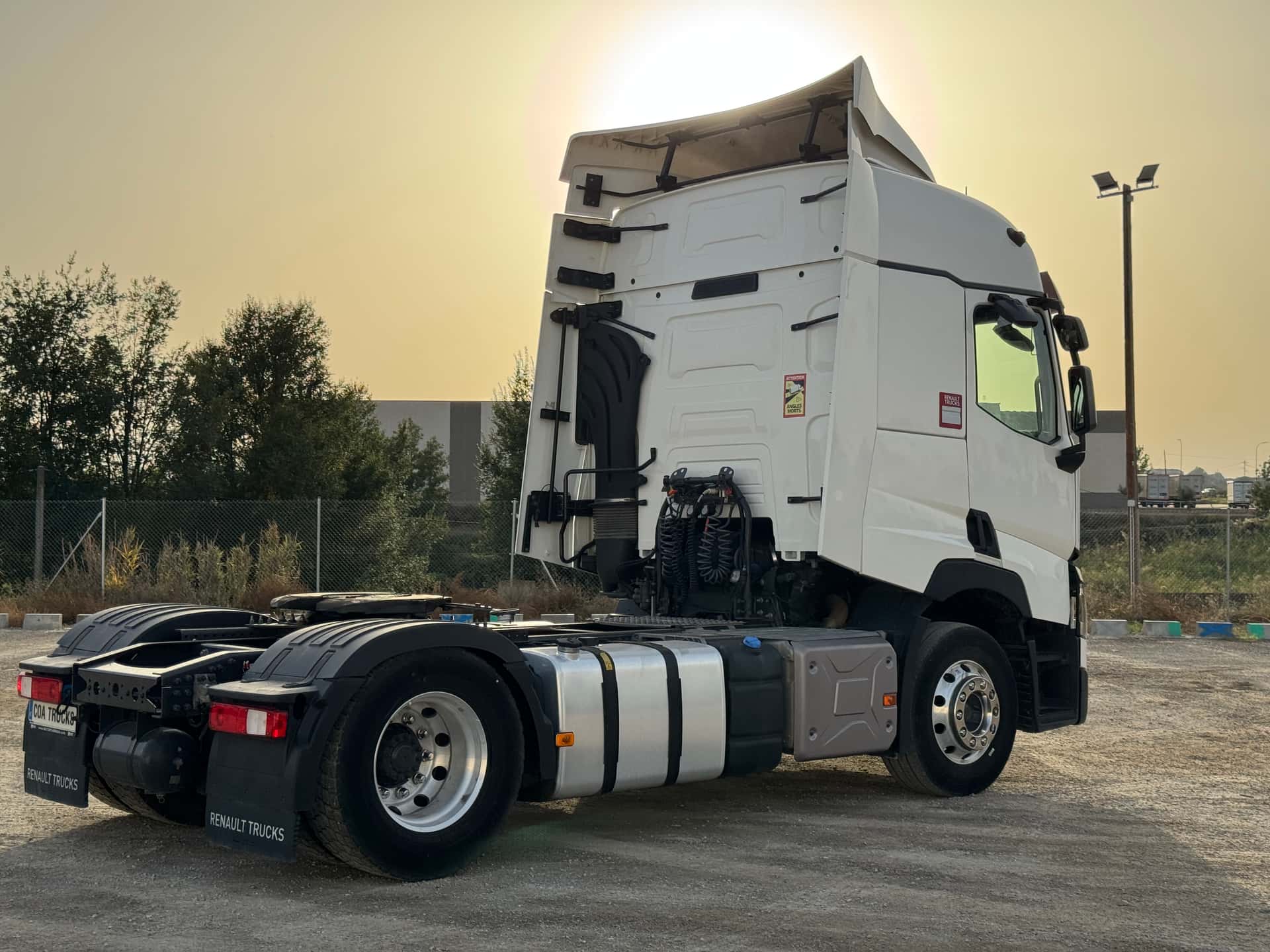
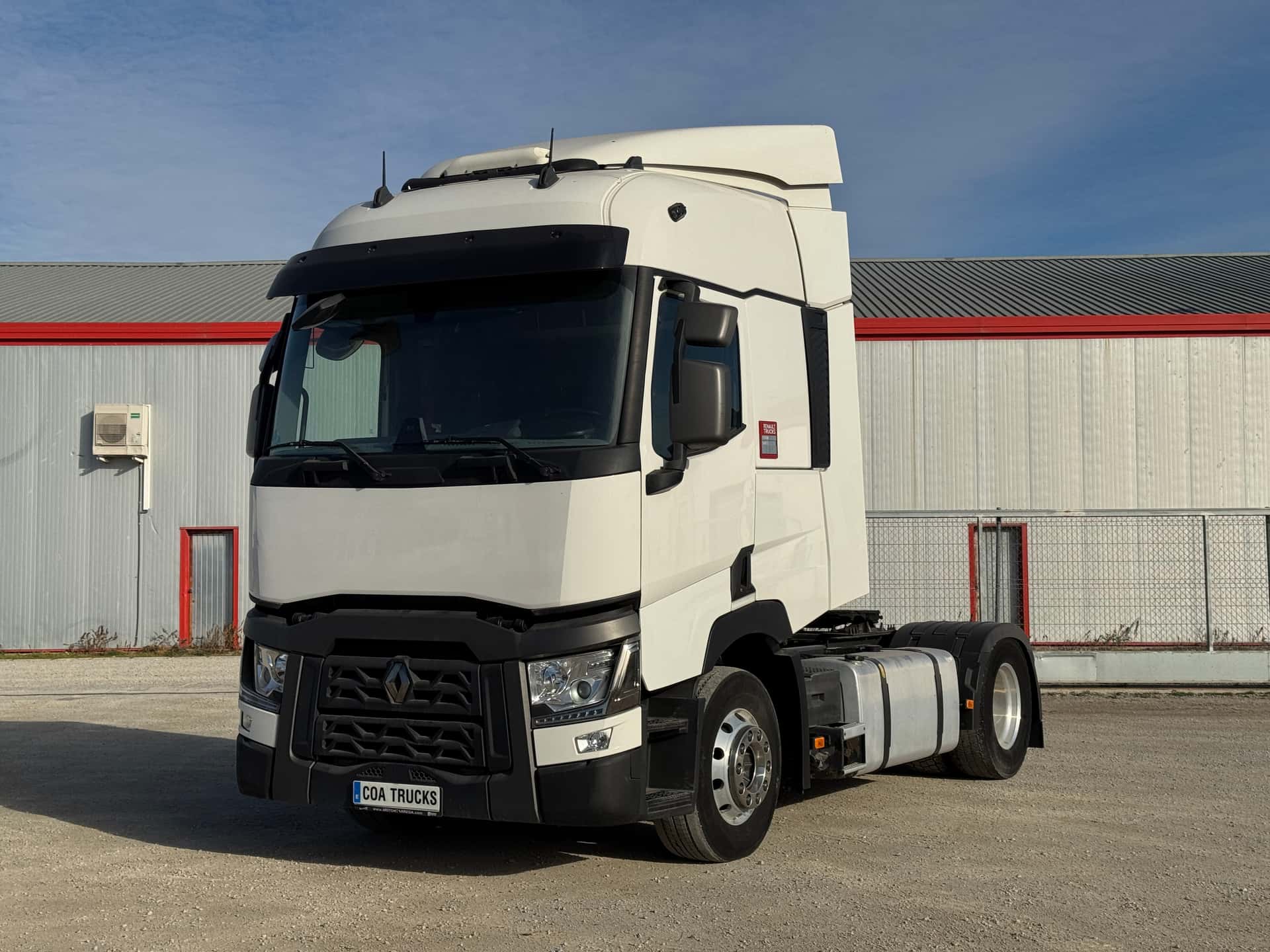
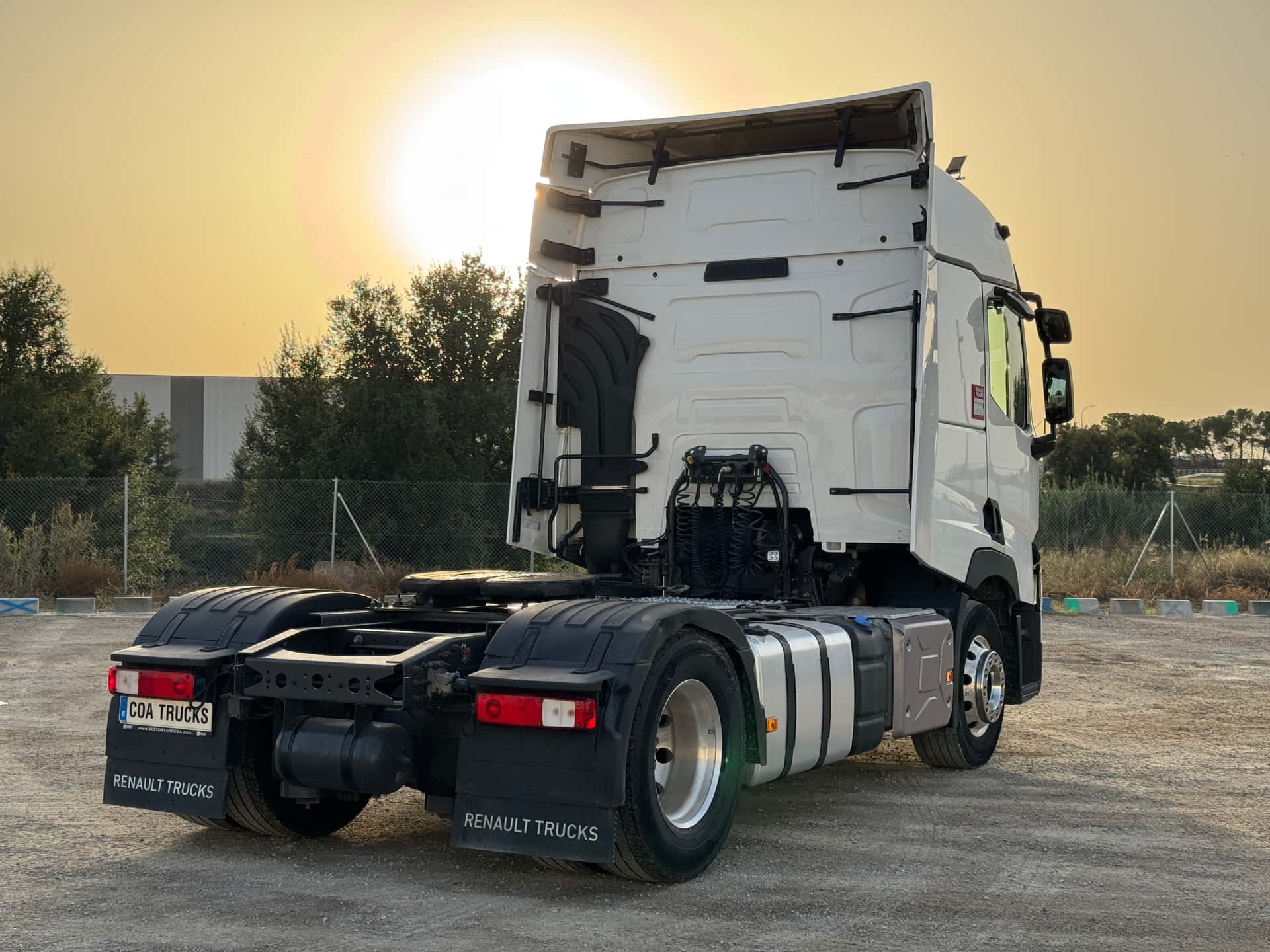
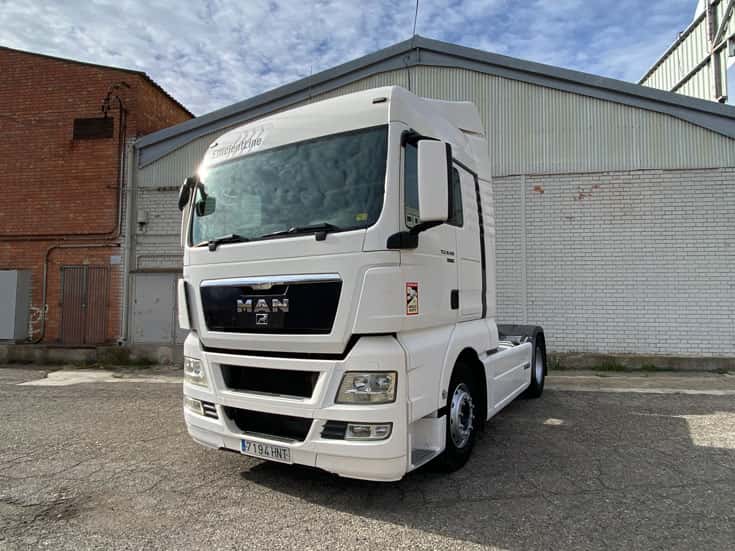
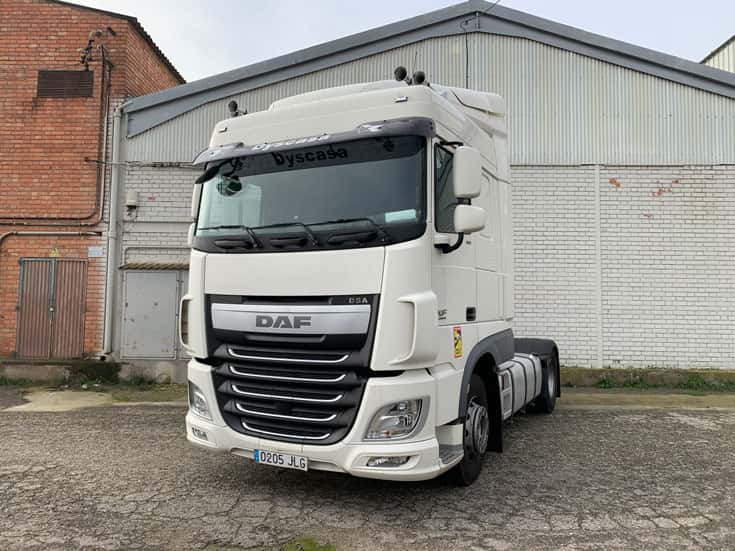
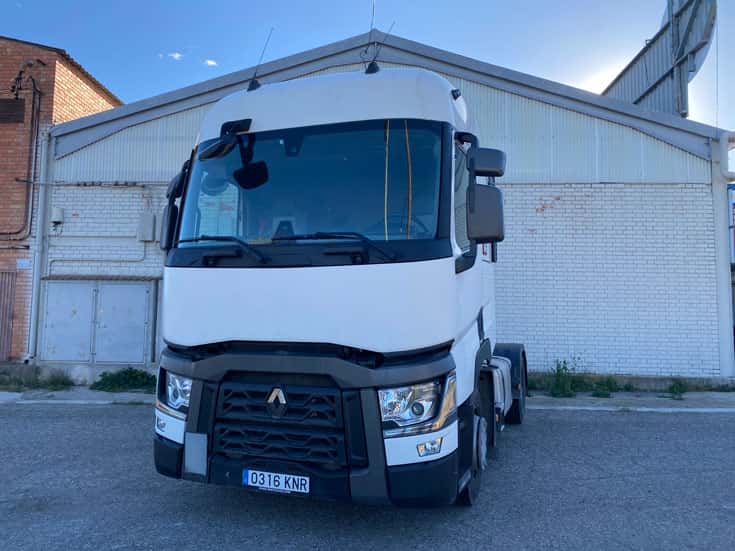
Cabezas tractoras con cambio automatizado
La transmisión automatizada (AMT, Automated Manual Transmission) es hoy el estándar en el mercado europeo de tractoras, representando más del 90% de las nuevas matriculaciones. A diferencia de un cambio automático convencional (con convertidor de par, como en un turismo), la AMT es una caja manual robotizada: utiliza un embrague seco convencional y engranajes mecanicos, pero los cambios de marcha los ejecuta un sistema electrohidraulico controlado por una centralita electrónica, eliminando el pedal de embrague.
Automatizado vs. automático vs. manual
Es importante distinguir entre los tres tipos de transmisión disponibles en tractoras:
- Manual: Caja de cambios mecánica con pedal de embrague y palanca de cambios. El conductor selecciona cada marcha. Tipicamente 12 o 16 velocidades (ZF Ecosplit, Eaton Fuller). Todavia preferida por algunos conductores veteranos y en mercados como Europa del Este.
- Automatizada (AMT): Caja manual robotizada sin pedal de embrague. El sistema electrónico selecciona la marcha optima según velocidad, carga, pendiente y perfil de ruta. Es el tipo dominante en Europa occidental desde 2015. Ejemplos: I-Shift, Opticruise, TraXon, PowerShift, Optidriver.
- Automatica (torque converter): Con convertidor de par hidrodinámico. Muy rara en camiones europeos pesados, más común en autobuses urbanos y camiones norteamericanos. La Allison 4000 series es la unica opción significativa en Europa, usada principalmente en vehículos de bomberos y aplicaciones especiales.
Principales transmisiones automatizadas
Cada fabricante ha desarrollado su propia transmisión automatizada o utiliza la ZF TraXon:
- Volvo I-Shift: Introducida en 2001, fue la primera AMT del mercado y sigue siendo la referencia. 12 velocidades con modos Economy, Performance, Off-road y maniobra lenta. La versión I-Shift Dual Clutch (2014) fue la primera transmisión de doble embrague para camiones, eliminando la interrupcion de par durante el cambio. Disponible con Crawler Gears (2 velocidades ultra-lentas para maniobra de precision).
- Scania Opticruise: 12 velocidades con GRS (Gearbox Range Splitter) para 24 relaciones efectivas. Famosa por su rapidez de cambio y suavidad. Scania fue el primer fabricante en ofrecer Crawler Gears de fábrica para maniobra a velocidades inferiores a 1 km/h. El software de cambio se actualiza con cada revisión de mantenimiento para optimizar el rendimiento.
- ZF TraXon: Transmisión independiente utilizada por DAF, MAN e Iveco. 12 o 16 velocidades. La versión PreVision GPS anticipa cambios según la topografía. El ZF TraXon Hybrid anade un motor eléctrico de 120 kW integrado para funcionalidad hibrida enchufable.
- Mercedes PowerShift 3: Desarrollada internamente por Daimler. 12 velocidades con Predictive Powertrain Control (PPC) que utiliza GPS y datos 3D del terreno para optimizar marchas y velocidad en un horizonte de 3 km. Compatible con la conducción semi-autonomía Active Drive Assist del Actros.
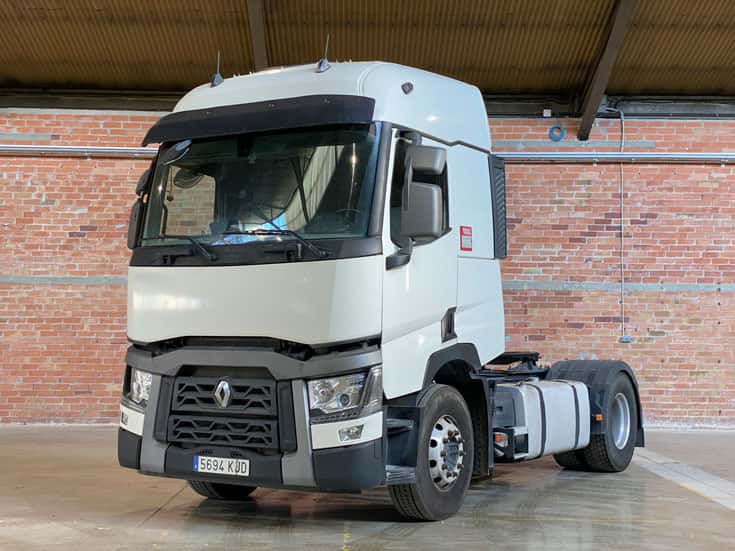
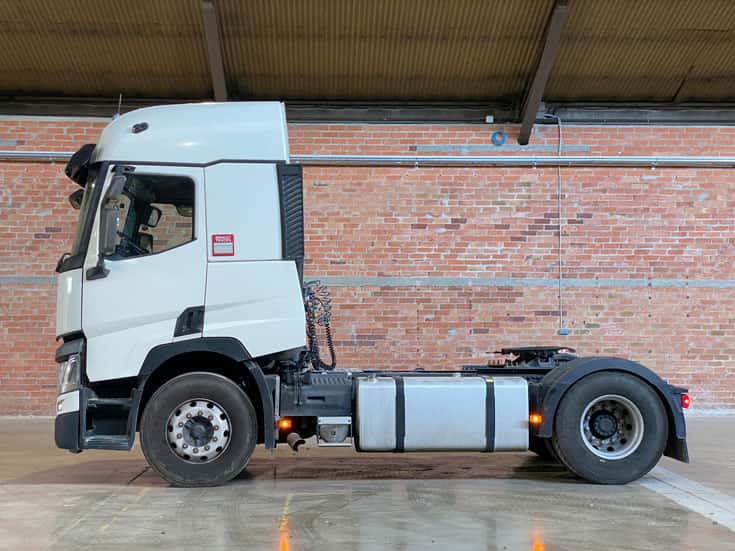
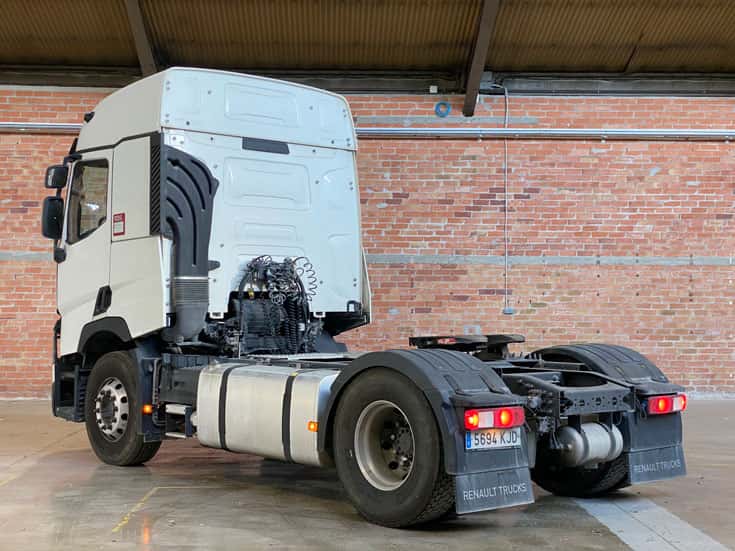
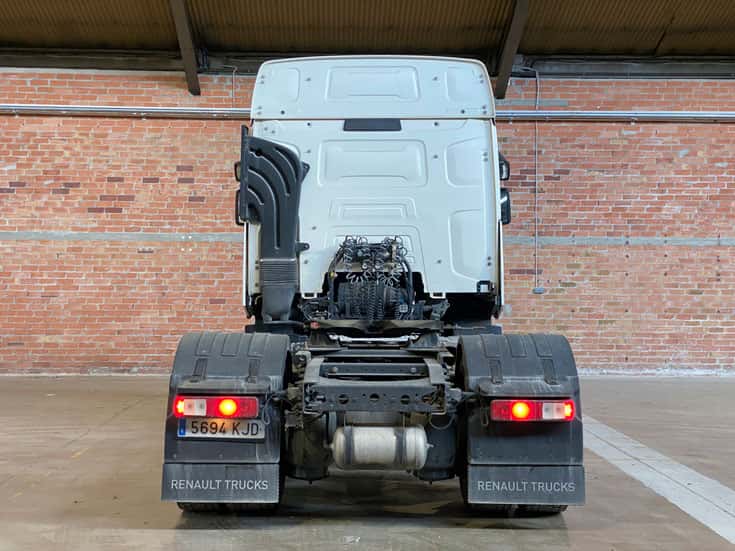
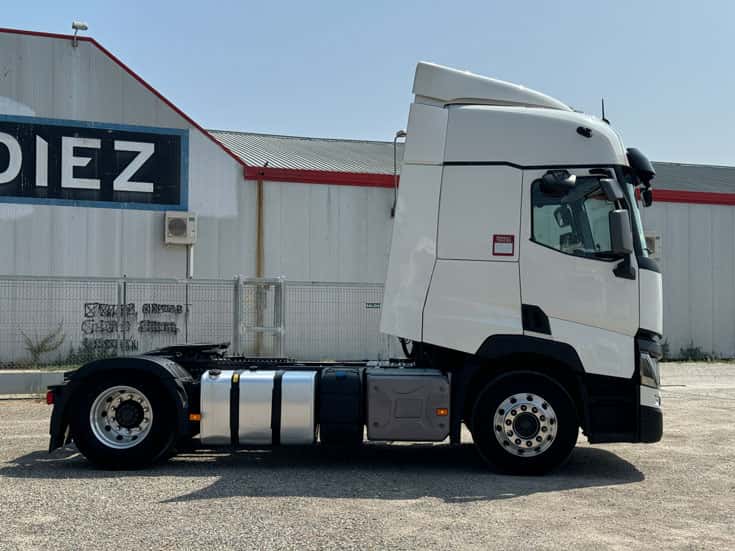
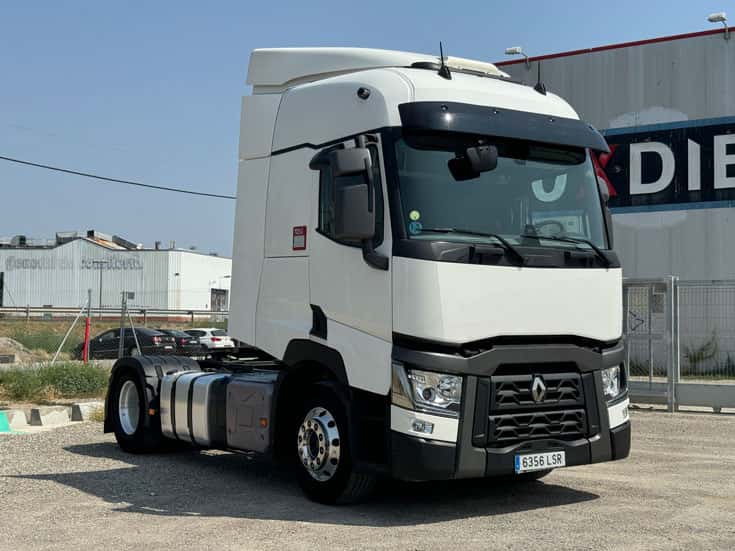
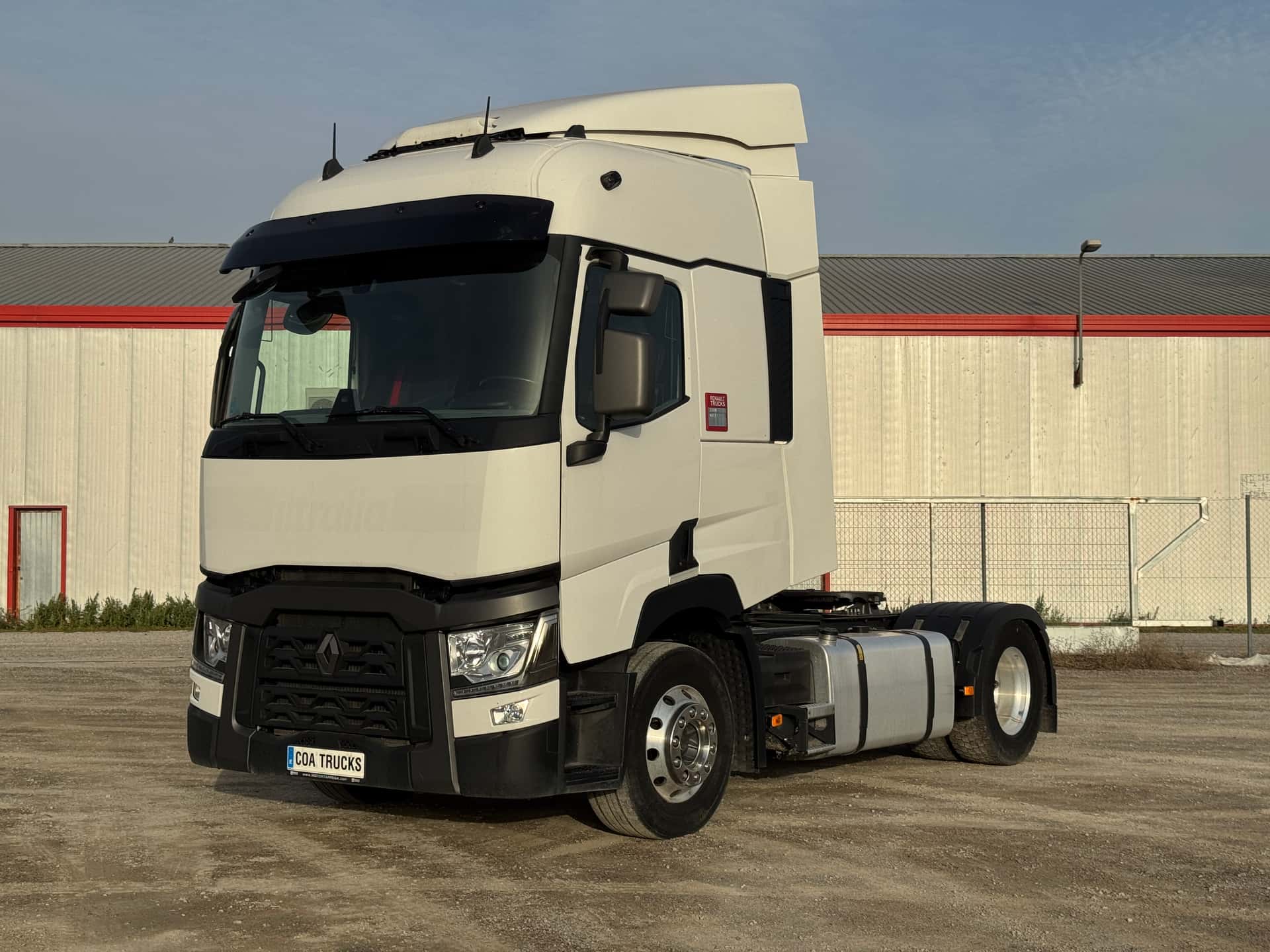
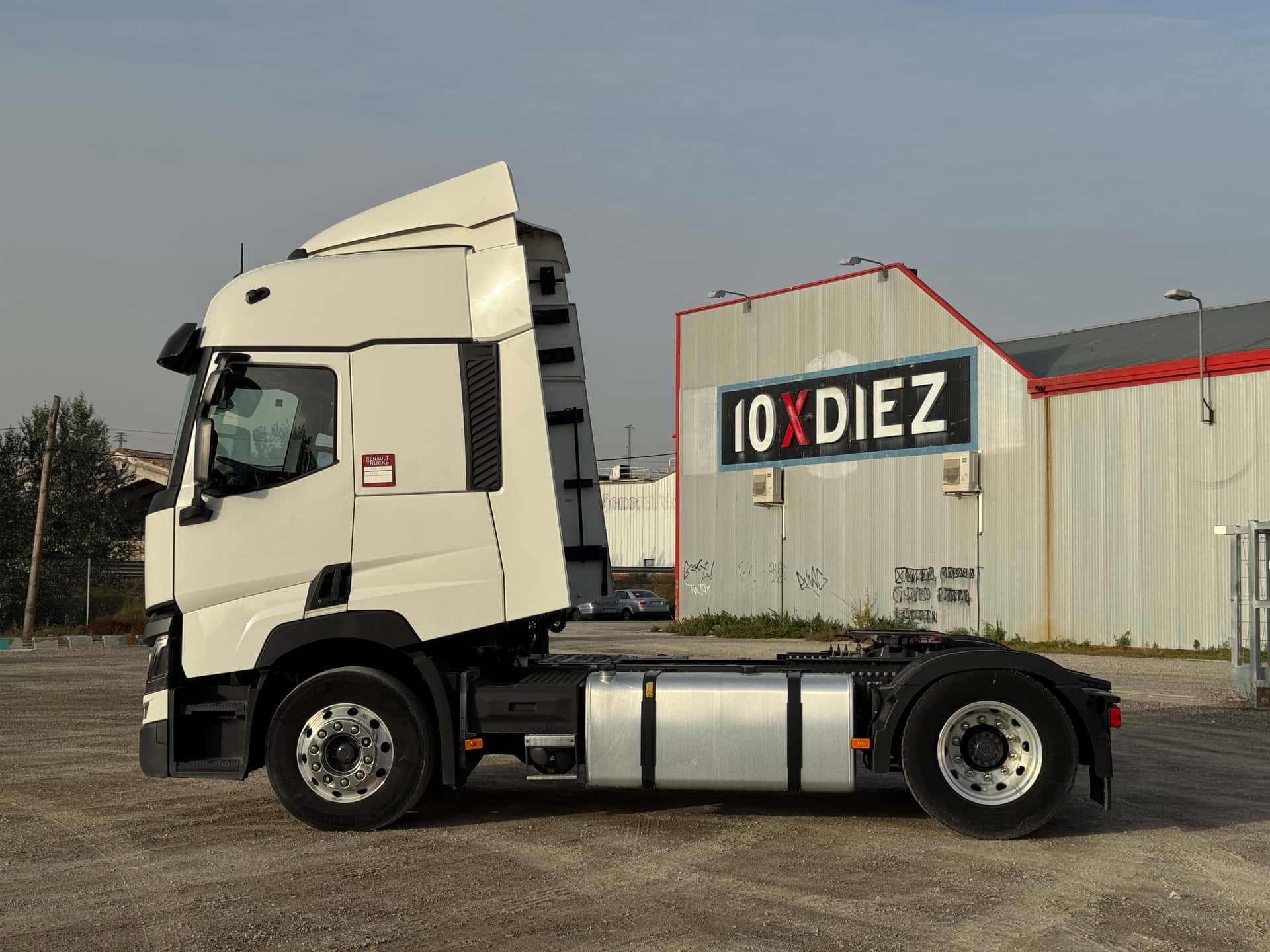
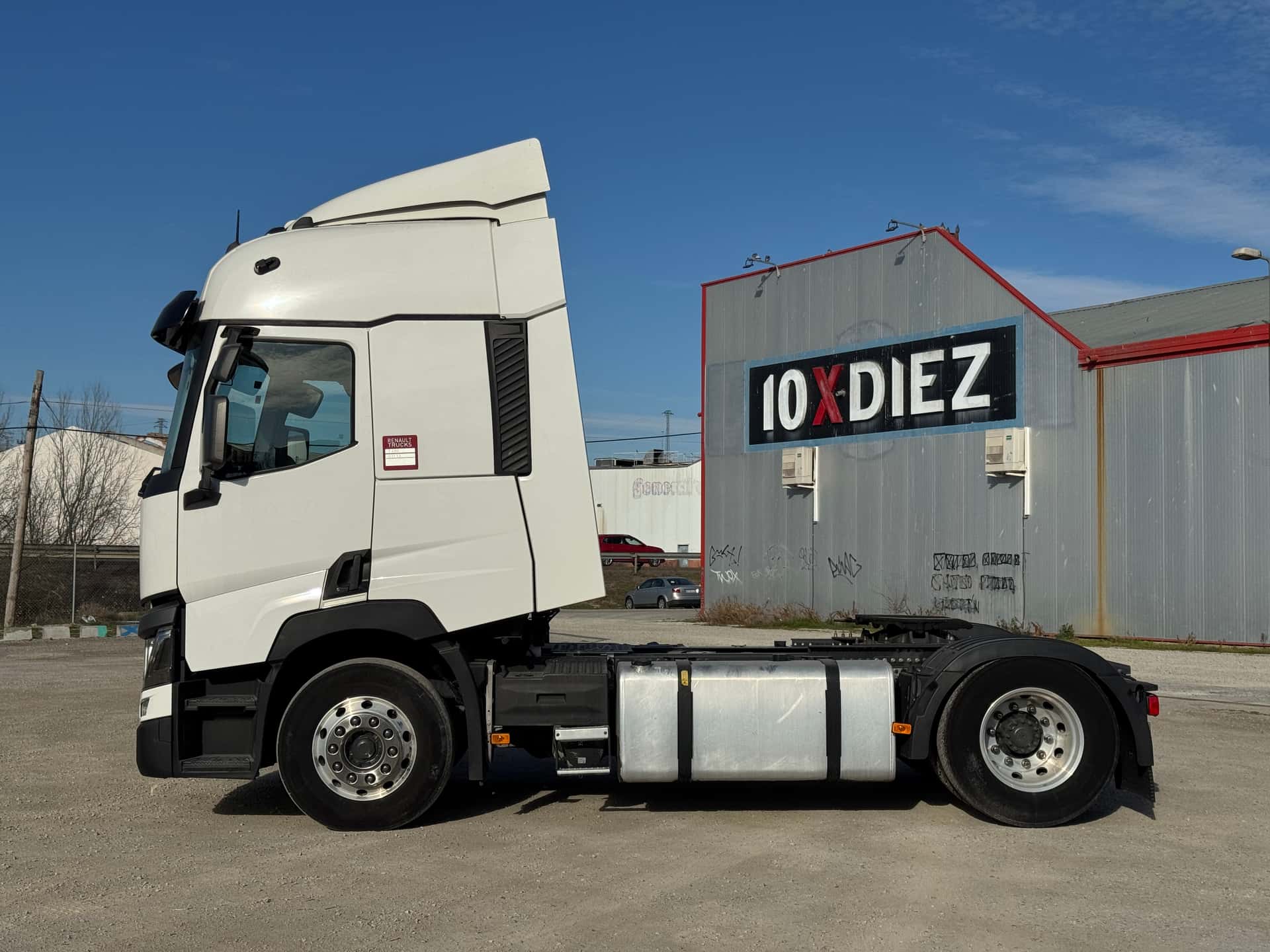
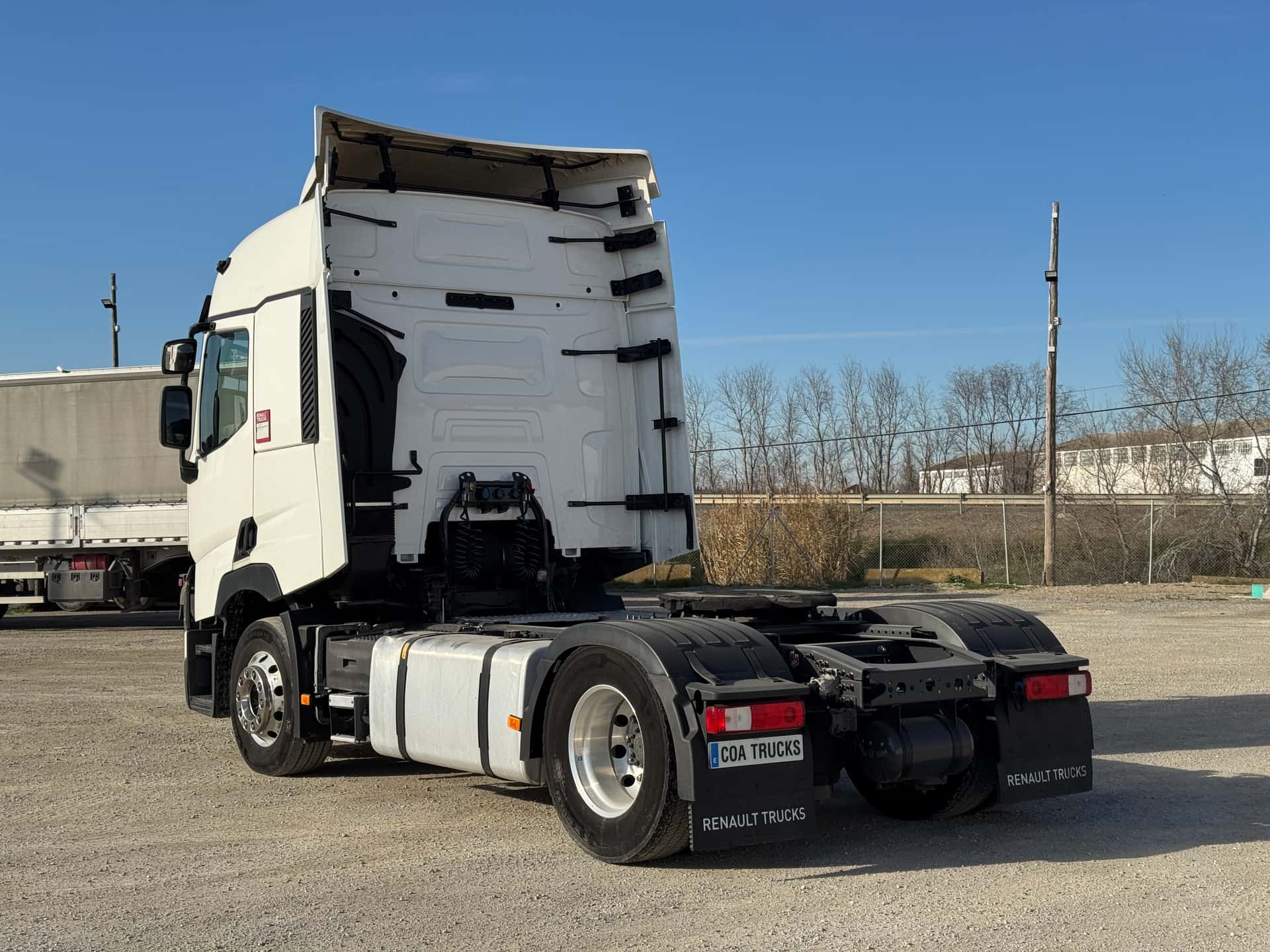
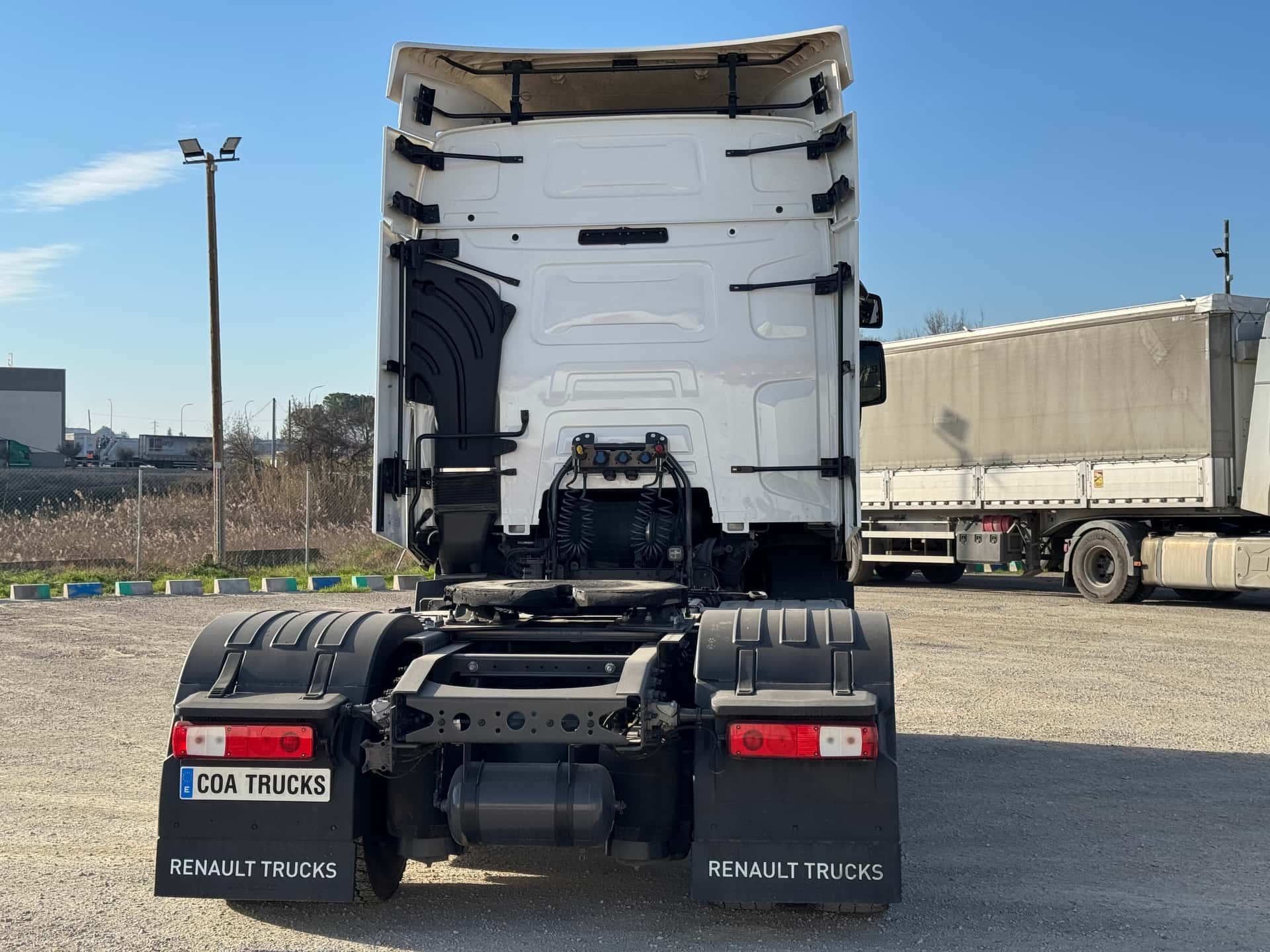
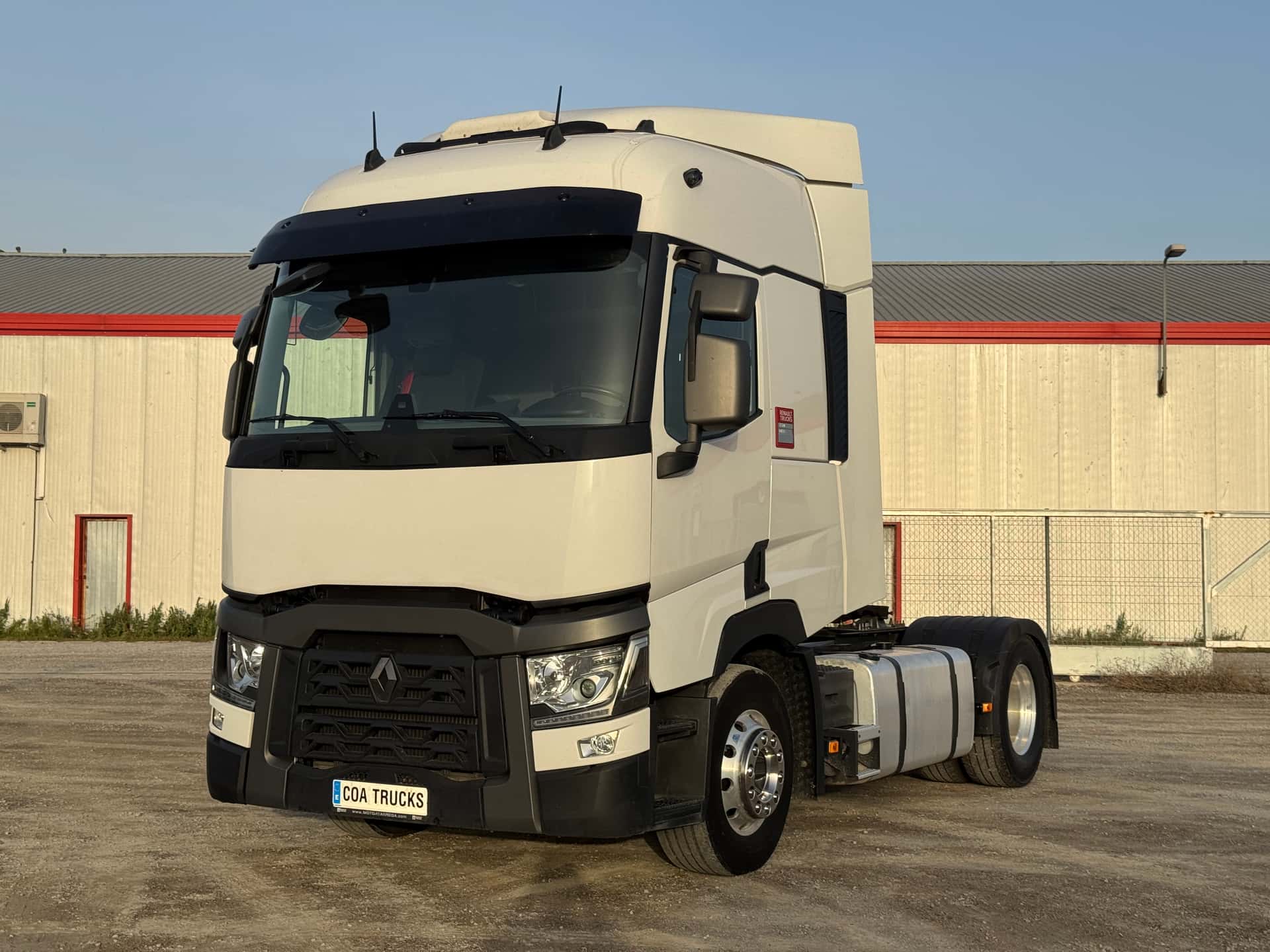
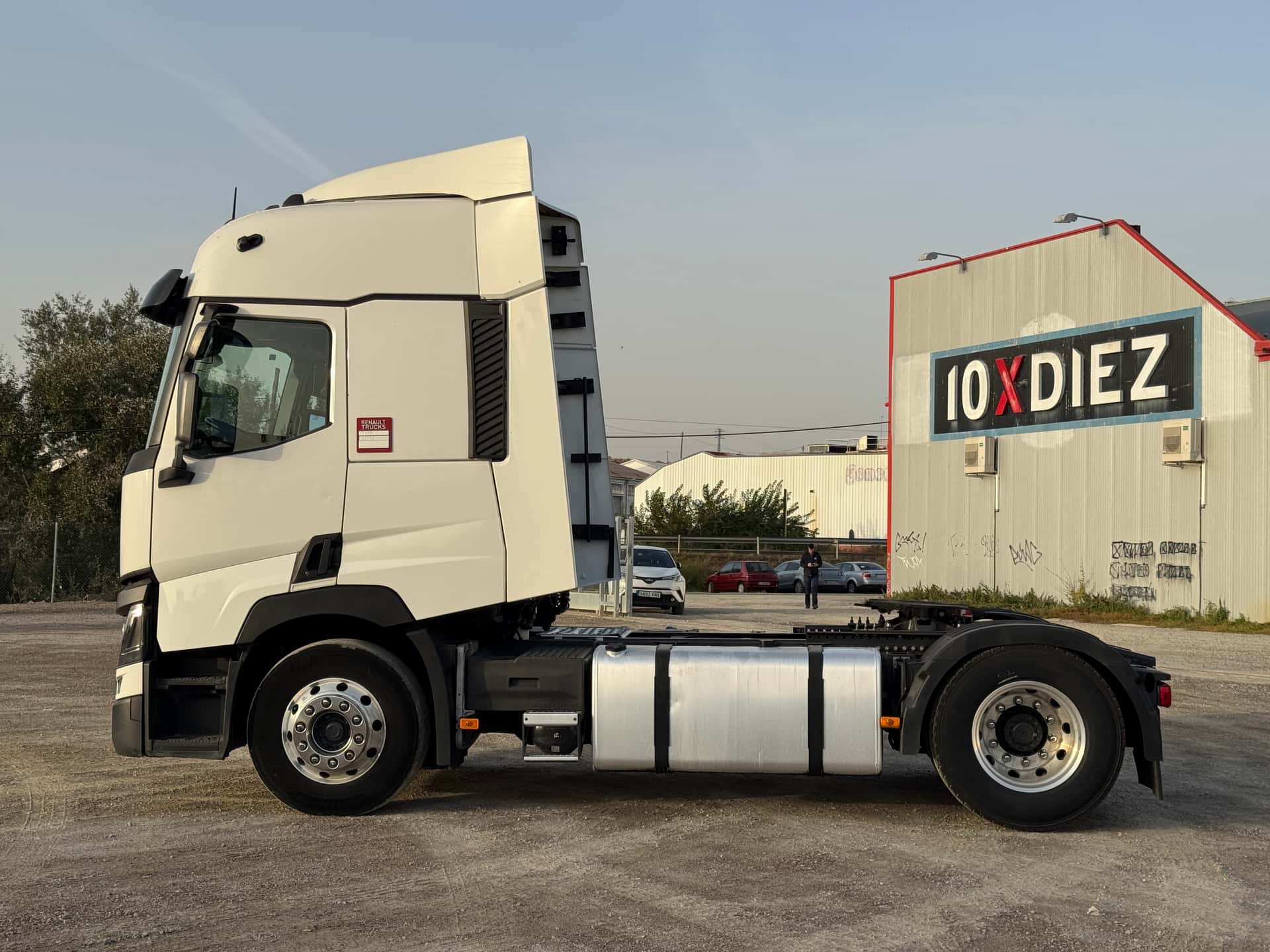
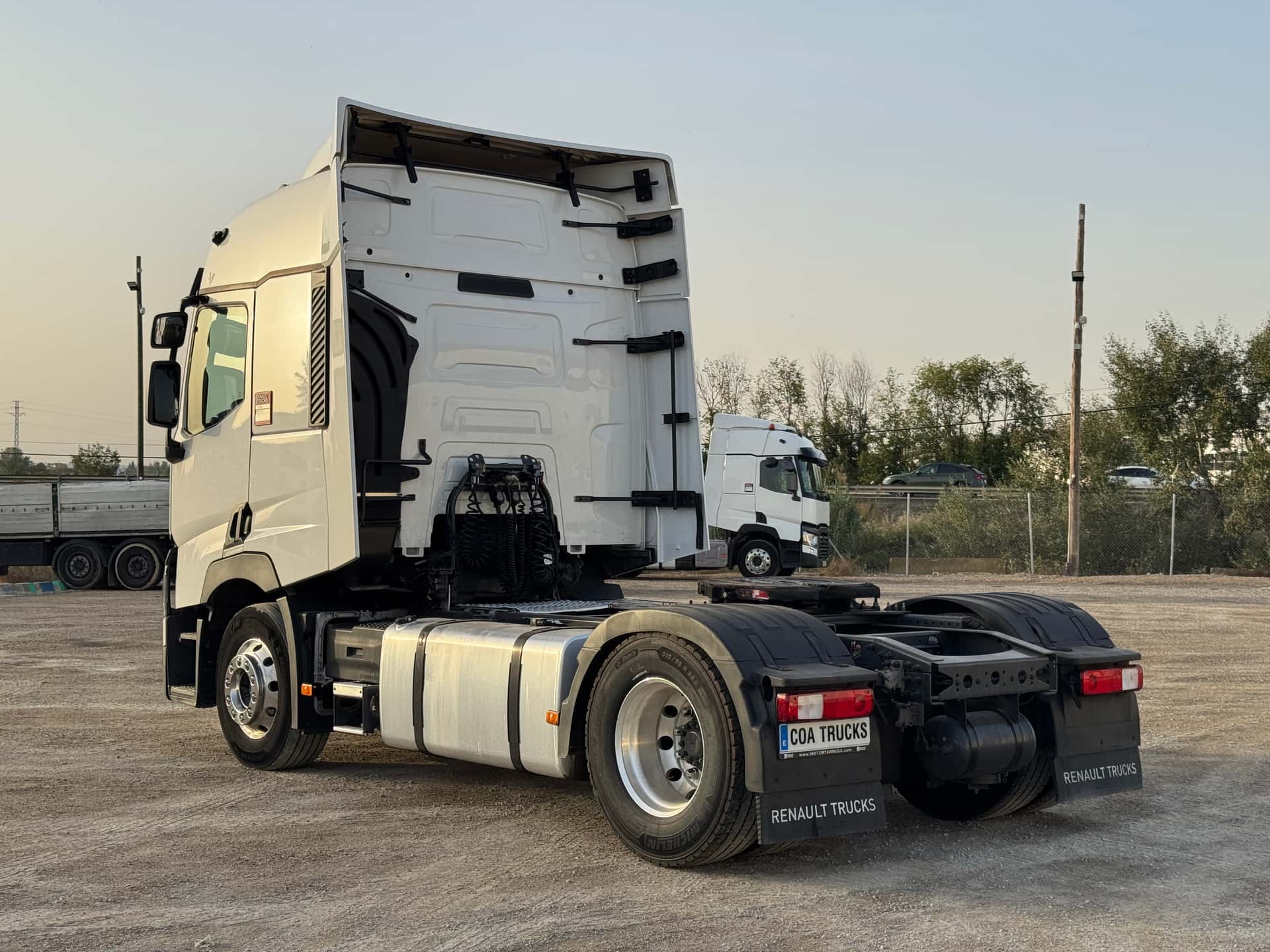
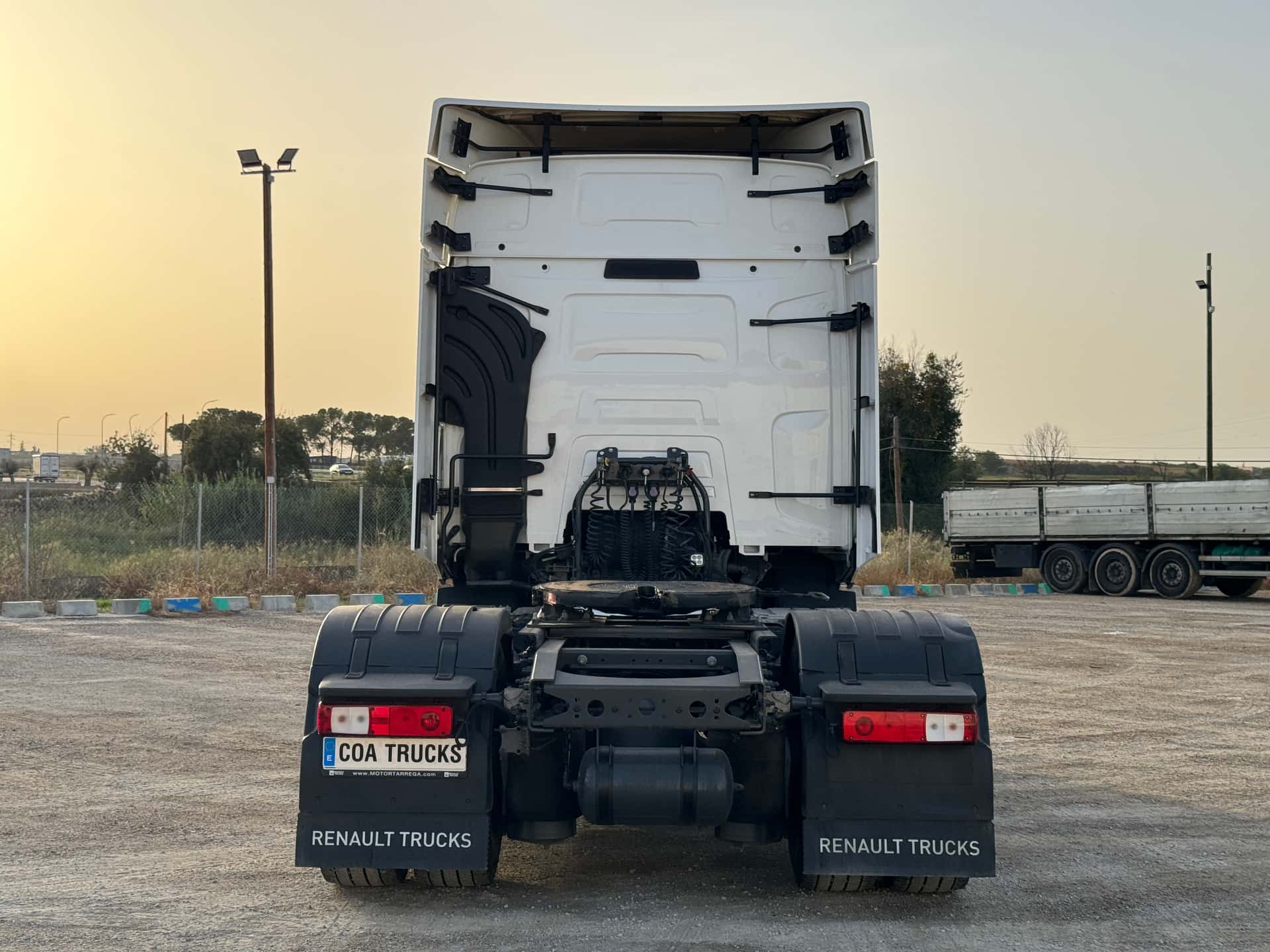
- Renault Optidriver: Basada en la tecnología Volvo (AT2612). 12 velocidades con Optivision (prediccion GPS) y Eco-roll (punto muerto automático en bajadas suaves para reducir consumo). El sistema Optifuel ofrece coaching en tiempo real al conductor.
- Iveco HI-TRONIX: Desarrollo propio de Iveco. 12 velocidades con algoritmos de cambio optimizados para consumo. Incluye modo eco-roll y rocking mode para desatascar el vehículo en terreno blando alternando marcha adelante y atras automaticamente.
Ventajas de la transmisión automatizada
Las razones por las que la AMT ha desplazado al cambio manual en Europa son multiples:
- Ahorro de combustible: Entre un 3% y un 5% de reducción media respecto a conducción manual. Los sistemas predictivos con GPS (PPC, Optivision, PreVision) anaden un 2-3% adicional de ahorro al anticipar cambios en función del terreno.
- Reducción de fatiga: En un trayecto de 600 km, un conductor con caja manual realiza entre 1.500 y 2.000 cambios de marcha. Con AMT, cero. Esto reduce significativamente la fatiga muscular y la carga cognitiva, especialmente en trafico urbano denso.
- Menor coste de mantenimiento: El embrague dura más porque los cambios siempre se ejecutan en el punto optimo de revoluciones. La vida tipica de un embrague con AMT es de 500.000-800.000 km frente a 200.000-400.000 km con cambio manual.
- Flota multicondutor: En flotas donde varios conductores comparten el mismo vehículo, la AMT garantiza un estilo de conducción uniforme, evitando abusos del embrague y cambios incorrectos que acortan la vida del tren motriz.
- Reclutamiento de conductores: La escasez de conductores profesionales en Europa hace que la AMT sea un requisito para atraer nuevos conductores, muchos de los cuales nunca han conducido con embrague manual.
Qué revisar en el cambio automatizado al comprar de ocasión
Antes de comprar una tractora con cambio automatizado, haz una prueba de carretera y comprueba que los cambios sean rápidos y suaves, sin tirones, patinajes ni retrasos al engranar. Conecta el diagnóstico de marca (VOCOM en Volvo, SDP3 en Scania, ZF-Testman en TraXon) para descartar errores almacenados del embrague o del actuador. El embrague seco de una AMT dura 500.000-800.000 km, pero un actuador de embrague o un mecatrónico pueden costar 1.500-3.000 € si fallan. En Coatrucks probamos el cambio de cada tractora y lo reflejamos en la inspección documentada.
Qué caja automatizada elegir según tu operativa
Para larga distancia con relieve, las cajas con predicción GPS (Mercedes PPC, Renault Optivision, ZF PreVision) exprimen el máximo ahorro de combustible. El Volvo I-Shift es la referencia por suavidad y fiabilidad, y su versión Dual Clutch elimina la interrupción de par. El Scania Opticruise destaca por rapidez de cambio. Para maniobra de precisión (góndola, obra) busca versiones con Crawler Gears. Todas son fiables si están bien mantenidas; en Coatrucks te asesoramos según tus rutas y tipo de carga antes de cerrar la compra.