







LKW Kühlfahrzeuge
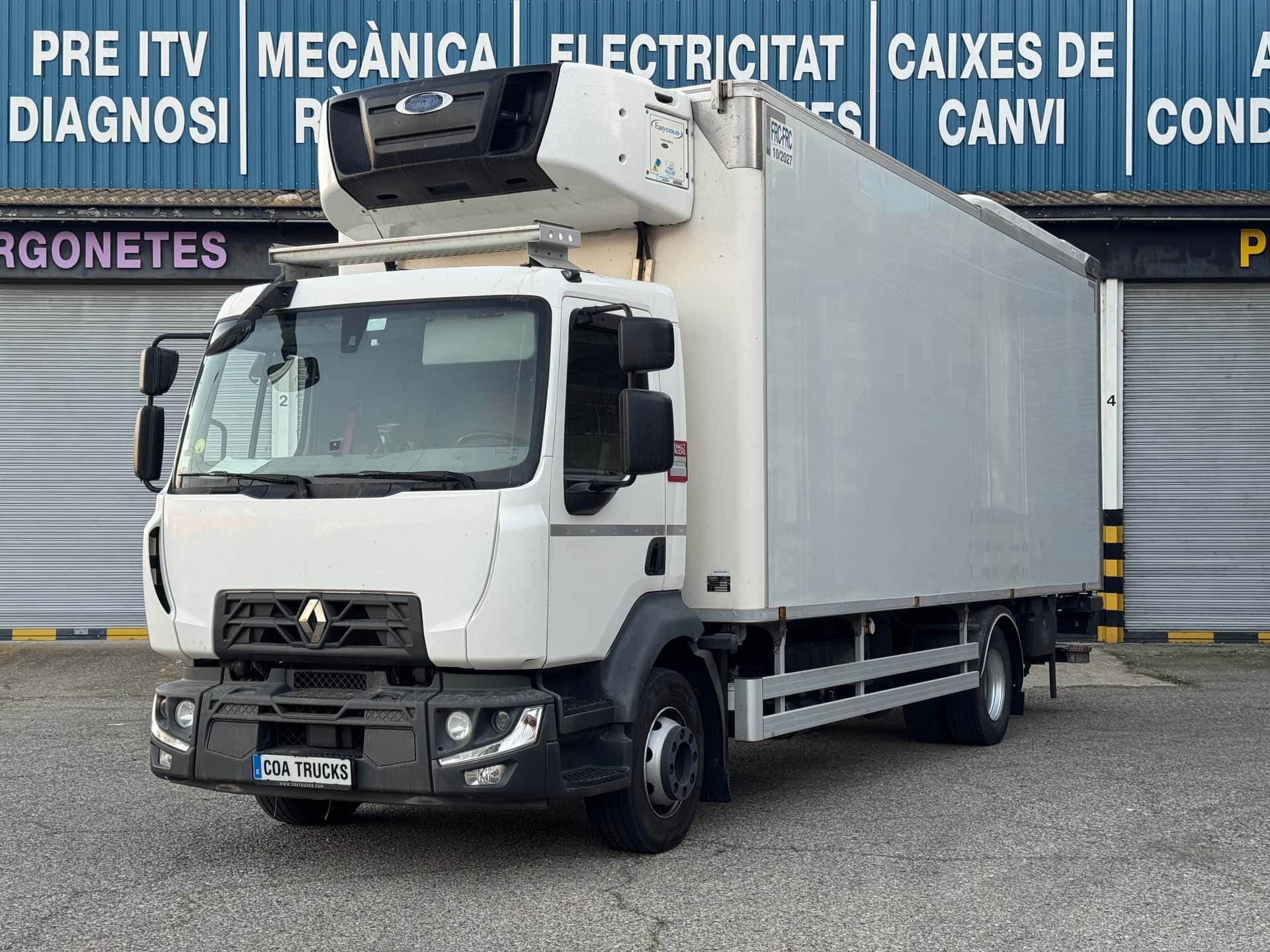
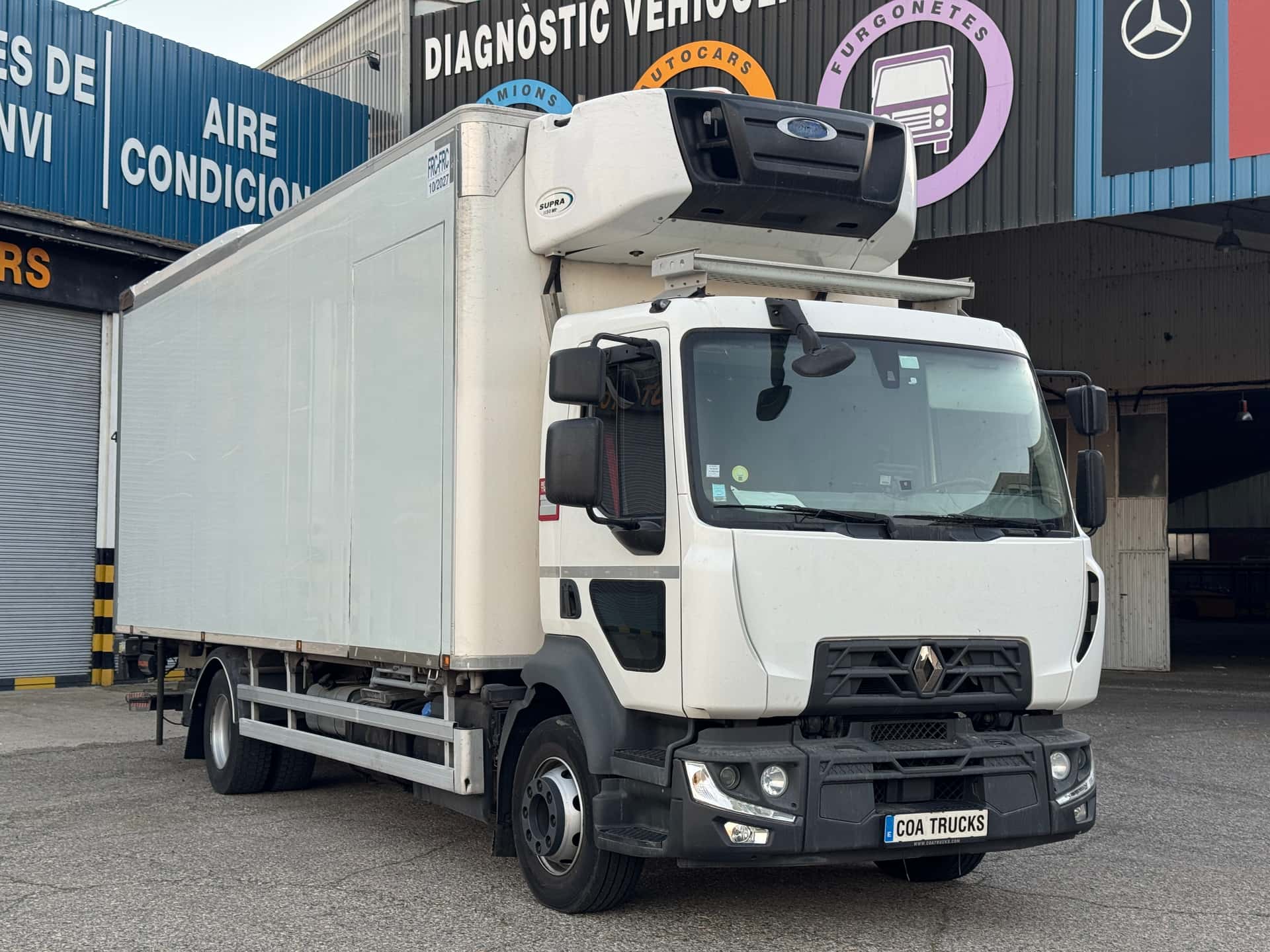
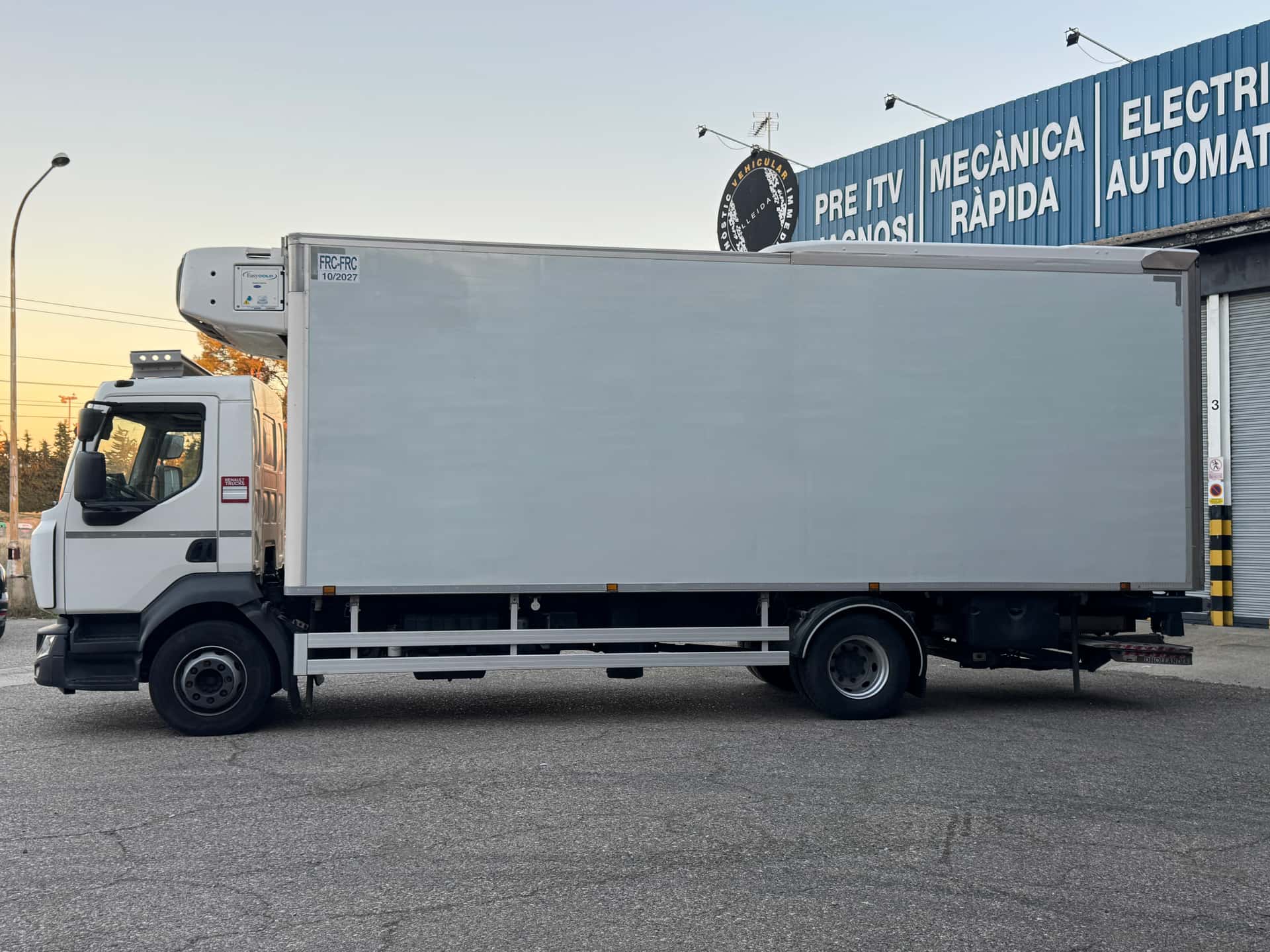
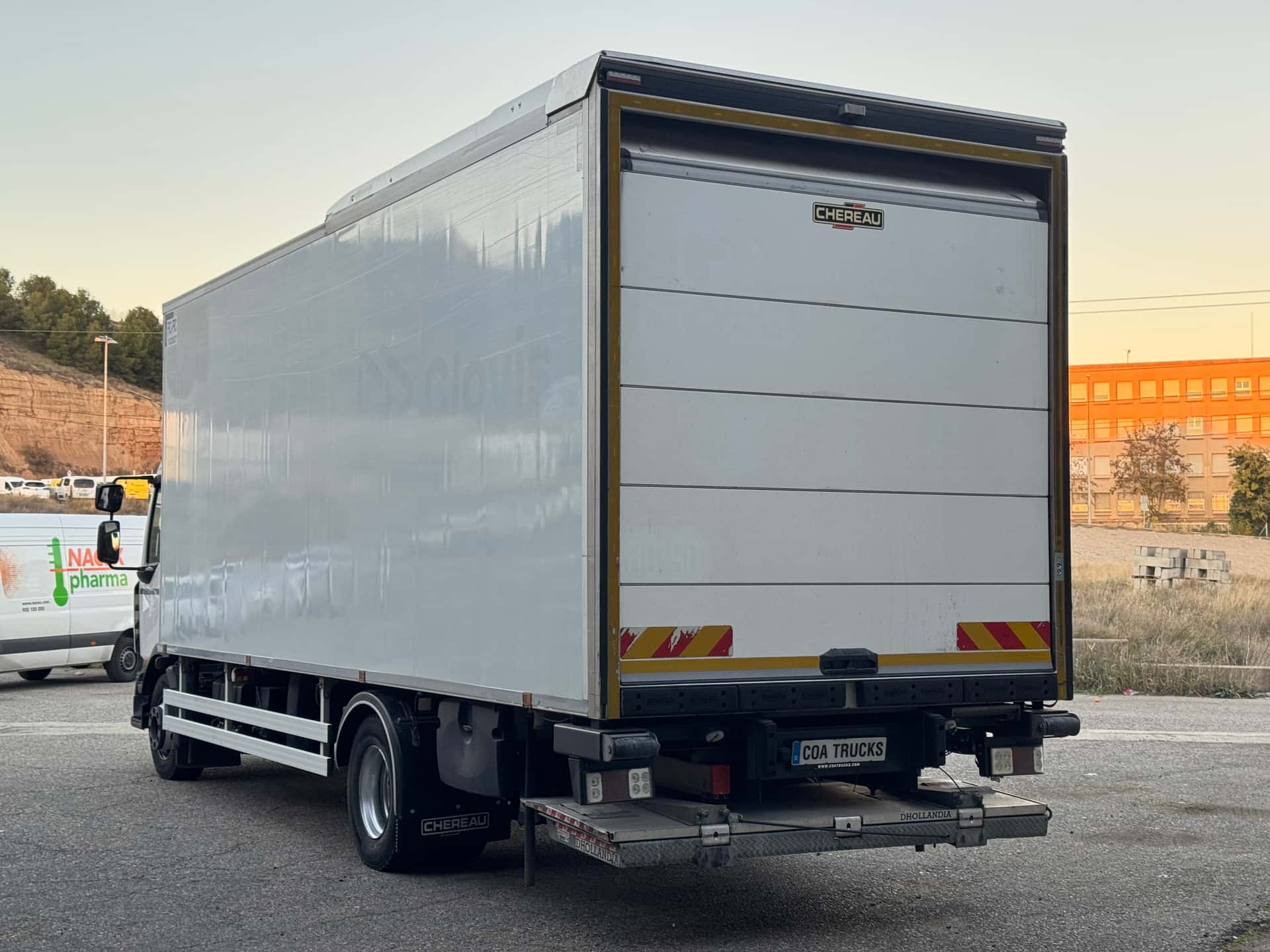
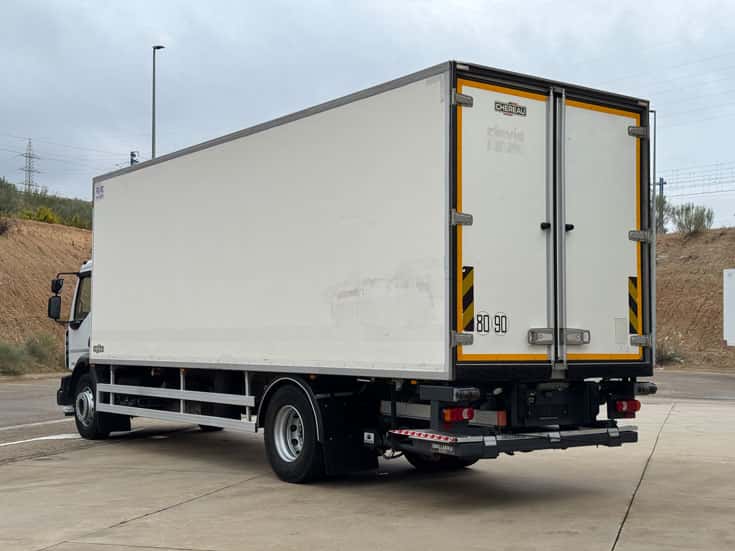
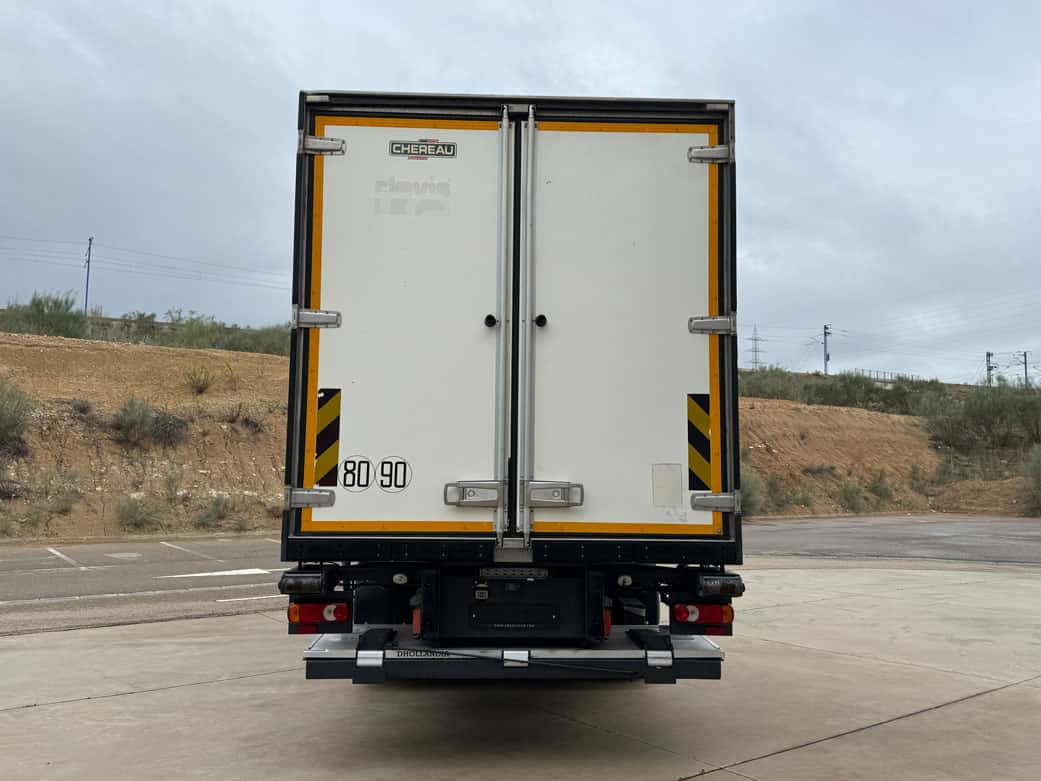
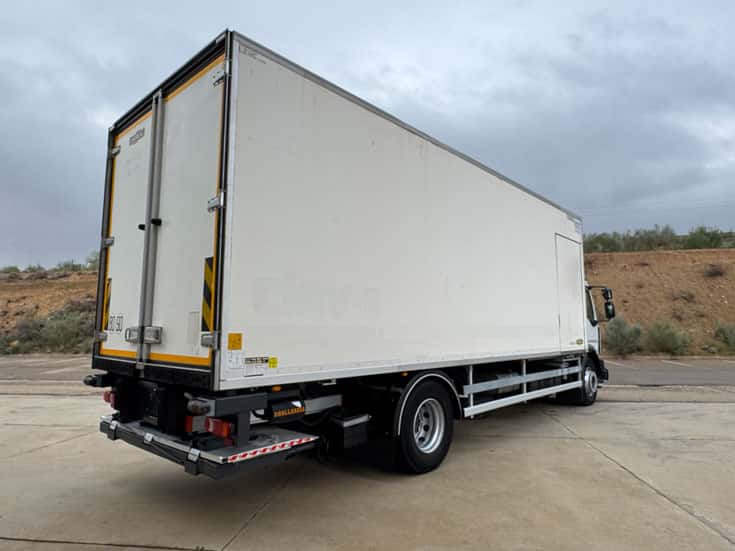
Temperaturgeführter Transport: Kühlkoffer und Isolierkoffer
Unterschied zwischen Kühlkoffer und Isolierkoffer
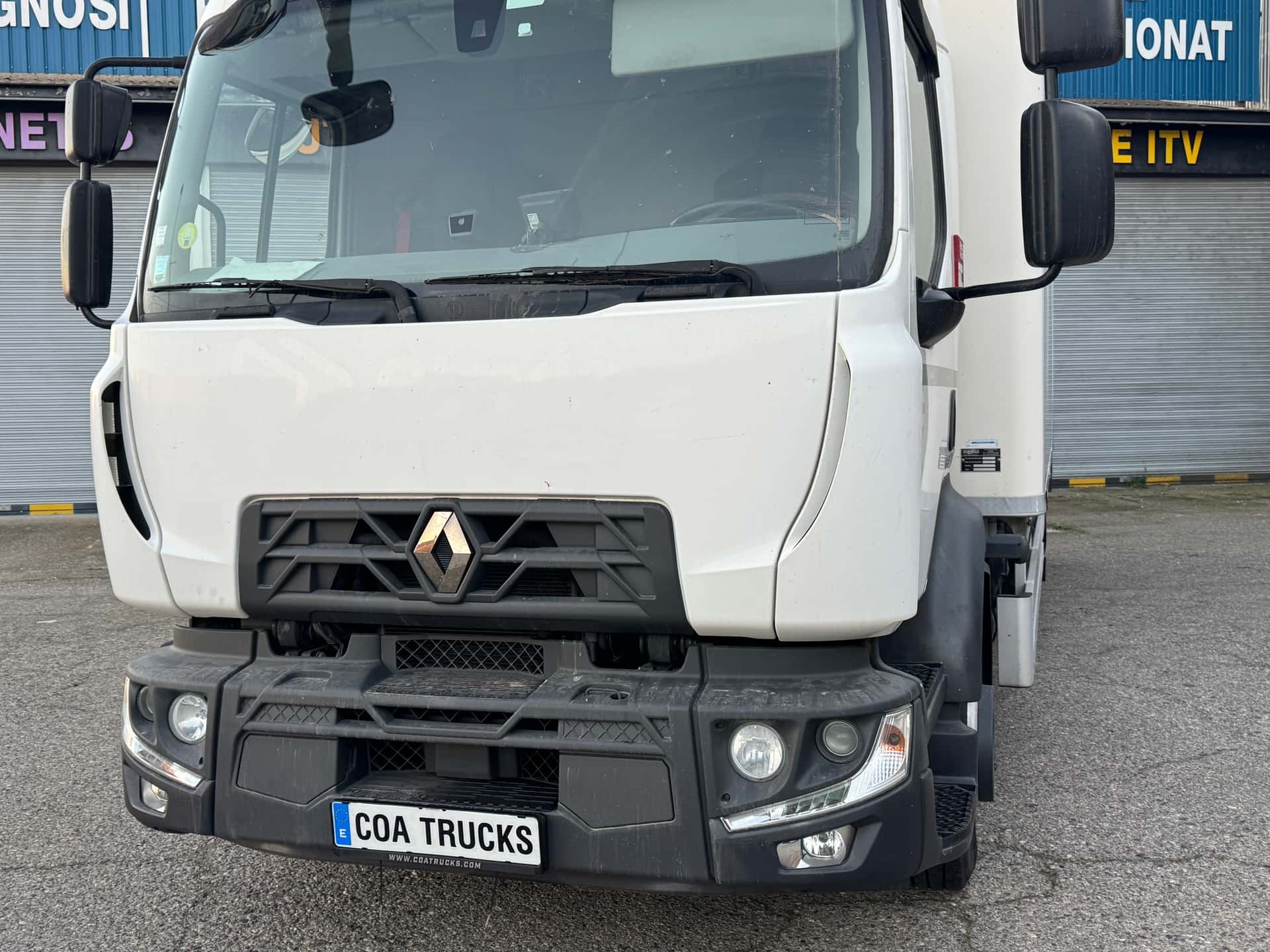
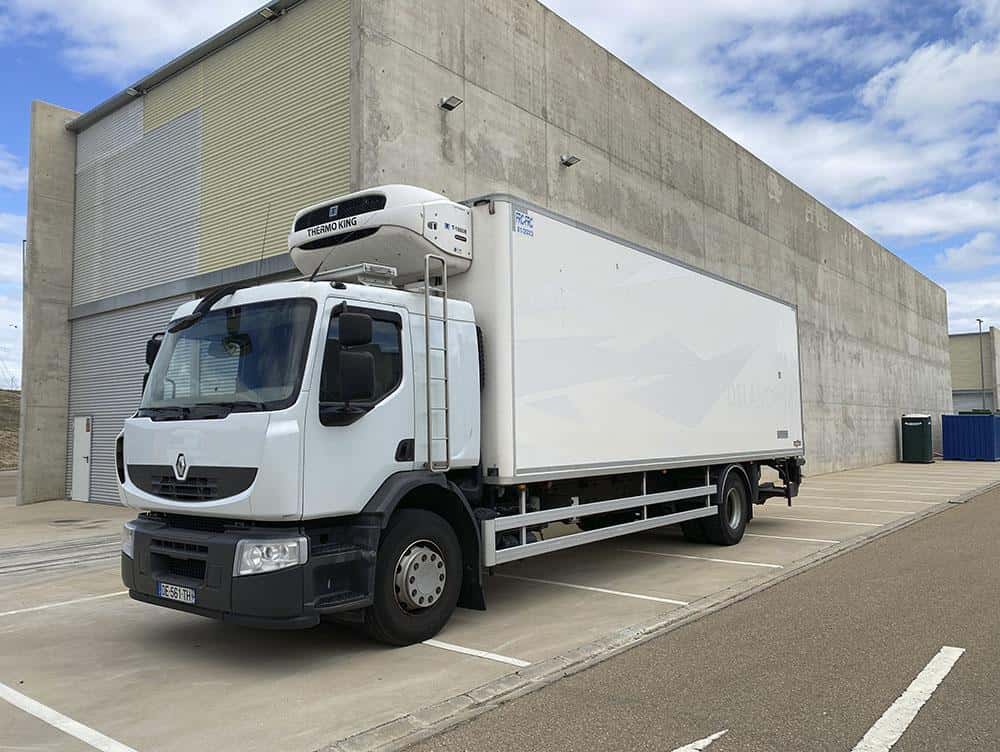
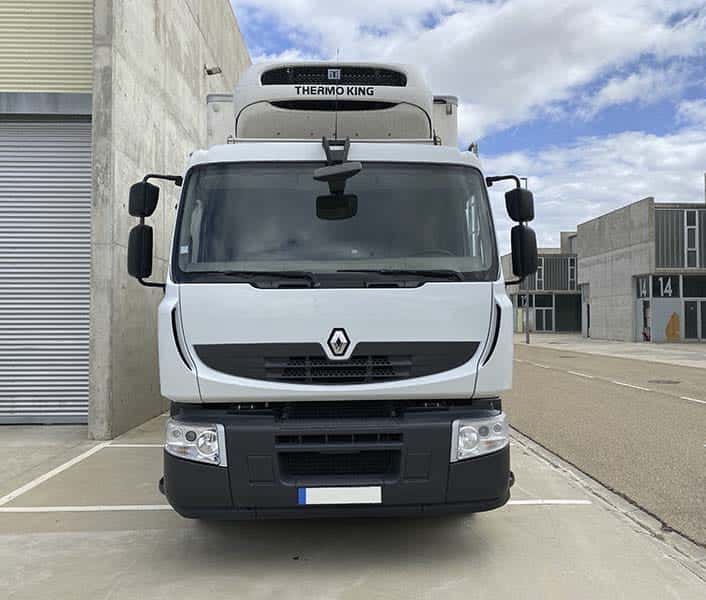
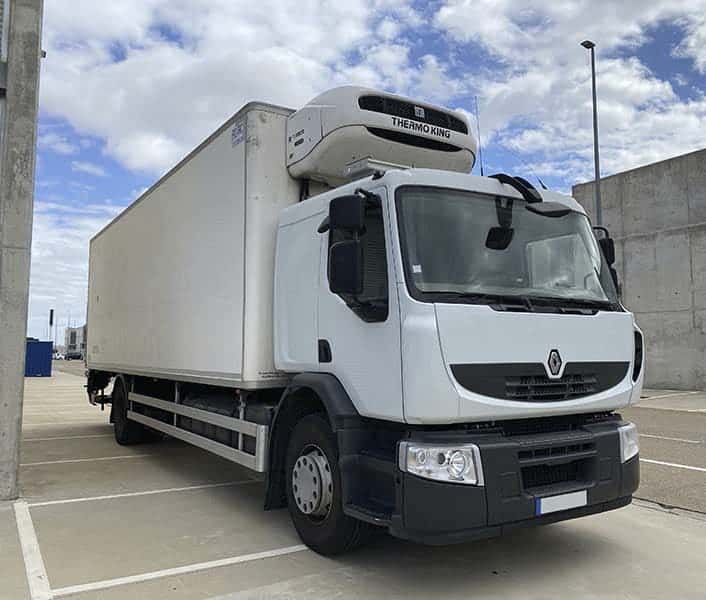
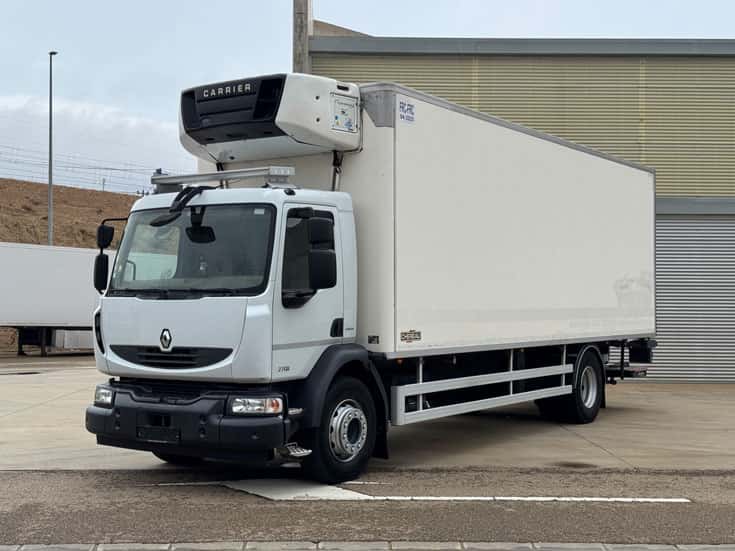
Ein Kühlkoffer-LKW besitzt ein Kühlaggregat (Kälteanlage), das an der Stirnwand oder auf dem Dach des Aufbaus montiert ist und Temperaturen von -25 C bis +25 C erzeugen und halten kann. Die führenden Hersteller von Kühlaggregaten sind Thermoking (Serie V, T, SLXe) und Carrier (Supra, Vector). Ein Isolierkoffer-LKW verfügt dagegen lediglich über Isolierpaneele aus Polyurethanschaum mit einem K-Wert unter 0,40 W/mK, hat aber kein Kühlaggregat: Er hält die Temperatur der geladenen Ware nur für begrenzte Zeit. Isolierkoffer eignen sich für kurze Strecken mit bereits vorgekühlter Ladung.ATP-Zertifizierung
Das Übereinkommen über die internationale Beförderung leicht verderblicher Lebensmittel (ATP) verlangt, dass sowohl Kühl- als auch Isolierfahrzeuge in amtlichen Prüfstellen Prüfungen der Wärmedichtheit bestehen. Das ATP-Zertifikat teilt die Fahrzeuge je nach Temperaturbereich und Kühlleistung in Klassen ein (FRC, FNA usw.). Dieses Zertifikat ist für Neufahrzeuge 6 Jahre gültig und wird alle 3 Jahre verlängert. Beim Kauf eines gebrauchten Kühlkoffers ist die Prüfung des ATP-Ablaufdatums unerlässlich.Gängige Konfigurationen
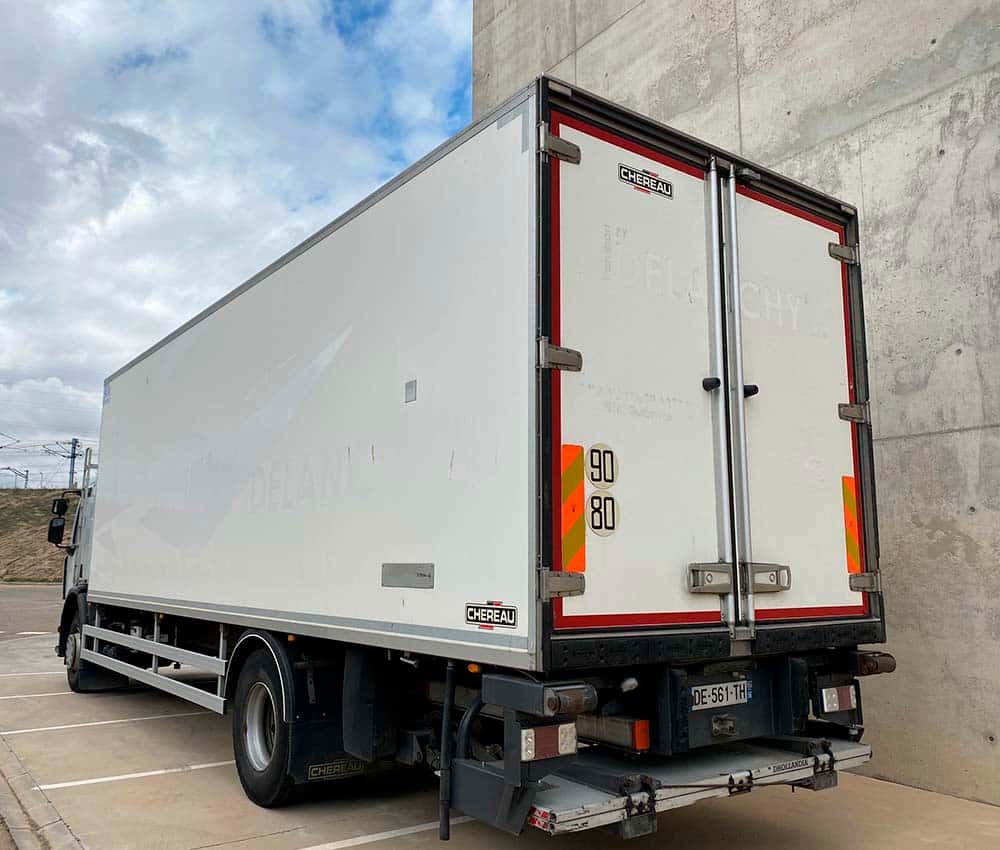
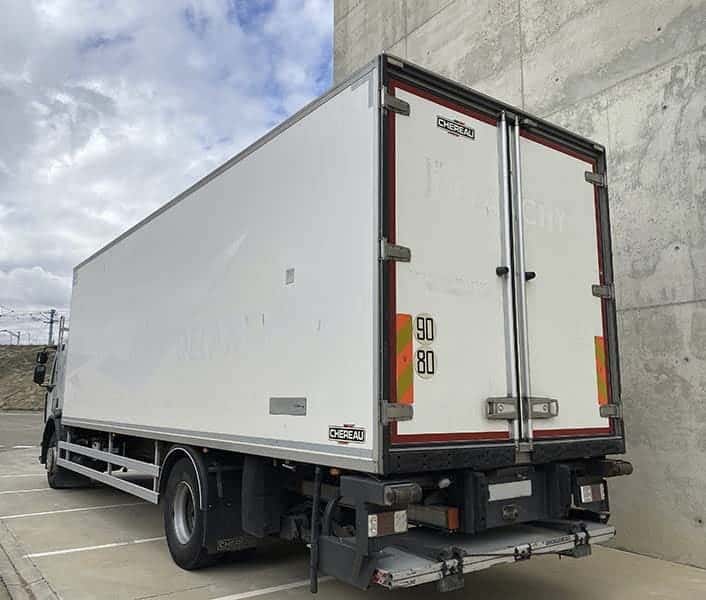
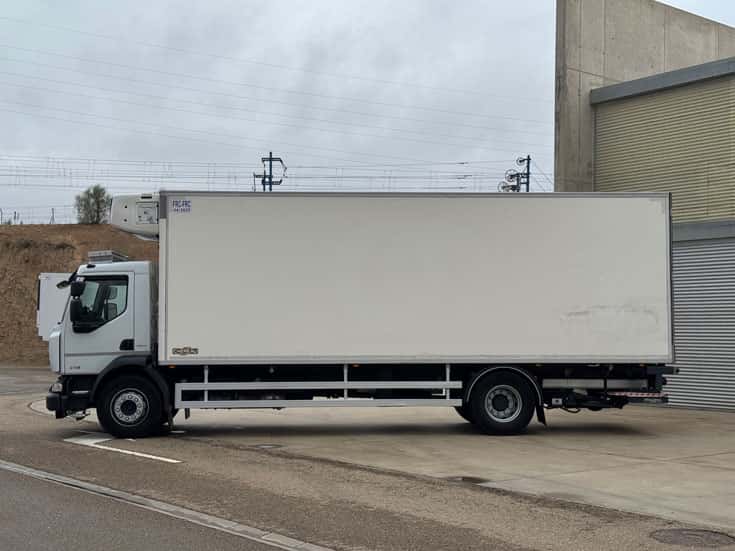
Kühlkoffer-LKW werden von 3,5 t (Transporter wie der Mercedes Sprinter mit Isolierkoffer) bis zu starren LKW mit 26 t gebaut. Isolier- und Kühlkoffer werden von Unternehmen wie Lamberet, Chereau, Schmitz Cargobull und Zanotti gefertigt. Die Mehrtemperatur-Variante hat verschiebbare Trennwände und zwei unabhängige Verdampfer, um Tiefkühl- und Frischware gleichzeitig zu transportieren. Der verstärkte Boden mit Aluminiumschienen und die Seitentüren erleichtern das Beladen mit Hubwagen oder Stapler.Zustand des Kühlaggregats und Betriebsstunden
Beim Kauf eines gebrauchten Kühlkoffers ist der Betriebsstundenzähler des Thermoking- oder Carrier-Aggregats die entscheidende Größe: Unter 10.000 Stunden gilt als niedrig, zwischen 10.000 und 20.000 als mittel, darüber sollten Kompressor und Kupplung geprüft werden. Prüfen Sie, ob bei hoher Außentemperatur -20 C gehalten werden, und kontrollieren Sie die automatische Abtauung. Ein überholter Kompressor kostet 3.000-5.000 €. Bei Coatrucks messen wir den Pull-down (Zeit für die Temperaturabsenkung) und übergeben vor dem Verkauf einen Aggregatbericht, einschließlich Zustand der Riemen und des Kältemittels.
Mehrtemperatur im Vergleich zu Eintemperatur
Wenn Sie Tiefkühl- und Frischware gleichzeitig transportieren (Belieferung von Supermärkten, HORECA), ist ein Mehrtemperatur-Kühlkoffer mit verschiebbarer Trennwand und doppeltem Verdampfer unverzichtbar: Er ermöglicht -25 C in einem Abteil und +4 C in einem anderen. Marken wie Lamberet und Chereau verbauen versetzbare, isolierende Aluminium-Trennwände. Das kostet mehr als eine Eintemperatur-Ausführung, erspart aber ein zweites Fahrzeug. Für die Verteilung in nur einem Temperaturbereich ist der Eintemperatur-Kühlkoffer leichter, bietet mehr Nutzlast und verringert den Wartungsaufwand der Kälteanlage.
Gebrauchte Kühlkoffer- und Isolierkoffer-LKW
Kühlkoffer mit Thermoking- und Carrier-Aggregat sowie Isolierkoffer mit Isolierpaneelen. ATP-Zertifizierung und Lieferung in ganz Europa.
Häufige Fragen
Was ist der Unterschied zwischen einem Kühlkoffer-LKW und einem Isolierkoffer-LKW?
Der Kühlkoffer hat ein Kühlaggregat (Thermoking, Carrier), das aktiv Temperaturen zwischen -25 C und +25 C erzeugen und halten kann. Der Isolierkoffer verfügt nur über Isolierpaneele aus Polyurethan ohne Kälteanlage: Er hält die Temperatur der Ladung nur für begrenzte Zeit, ideal für kurze Strecken mit vorgekühlter Ware. Wenn Sie Tiefkühlware transportieren oder lange Strecken fahren, benötigen Sie einen Kühlkoffer. Coatrucks verkauft beide und berät Sie passend zu Ihrer Kühlkette.Welche Betriebsstunden eines Thermoking- oder Carrier-Aggregats sind beim Kauf akzeptabel?
Unter 10.000 Stunden gilt das Aggregat als niedrig belastet mit langer Restlebensdauer. Zwischen 10.000 und 20.000 ist es mittlere Nutzung, normal bei einem LKW von 4-6 Jahren. Über 20.000 sollten Kompressor, Kupplung und Dichtheit des Kreislaufs geprüft werden. Ein überholter Kompressor kostet 3.000-5.000 €. Coatrucks übergibt vor jedem Verkauf den tatsächlichen Betriebsstundenstand und einen Pull-down-Bericht (Zeit für die Temperaturabsenkung).Ist das ATP-Zertifikat Pflicht und wie lange gilt es?
Ja, für den internationalen Transport leicht verderblicher Waren (Fleisch, Milchprodukte, Tiefkühlware). Das ATP-Zertifikat stuft das Fahrzeug (FRC, FNA…) nach Temperaturbereich und Leistung ein. Es ist bei einem Neufahrzeug 6 Jahre gültig und wird alle 3 Jahre nach einer Prüfung der Wärmedichtheit in einer amtlichen Prüfstelle verlängert. Prüfen Sie beim Kauf eines Gebrauchten das Ablaufdatum. Coatrucks bestätigt den ATP-Status jedes Fahrzeugs.Was benötige ich, um mehrere Temperaturen gleichzeitig zu transportieren?
Ein Mehrtemperatur-Aggregat mit verschiebbarer Trennwand und doppeltem Verdampfer: Es ermöglicht zum Beispiel -25 C in einem Abteil für Tiefkühlware und +4 C in einem anderen für gekühlte Ware. Hersteller wie Lamberet oder Chereau verbauen versetzbare, isolierende Aluminium-Trennwände. Das kostet mehr als eine Eintemperatur-Ausführung, erspart aber einen zweiten LKW bei der Belieferung von Supermärkten oder HORECA. Coatrucks hat geprüfte Mehrtemperatur-Fahrzeuge im Angebot.Was prüfe ich am Isolierkoffer eines gebrauchten Kühlkoffer-LKW?
Kontrollieren Sie den K-Wert (er muss für die Klasse FRC unter 0,40 W/mK liegen), das Fehlen von Wärmebrücken und die Unversehrtheit der Polyurethan-Sandwichpaneele. Prüfen Sie Türdichtungen, Streifenvorhänge, den Boden mit Aluminiumschienen (ohne Löcher) und mögliche Feuchtigkeitseintritte, die den Verbrauch des Aggregats in die Höhe treiben. Coatrucks prüft Dichtheit und Isolierung des Aufbaus im Rahmen der Begutachtung vor der Übergabe.Kann ich einen Kühlkoffer aus den Niederlanden oder Frankreich importieren?
Ja, und das ist üblich: In den Niederlanden und Frankreich gibt es sehr gepflegte Kühlfahrzeugflotten von Lamberet und Chereau. Der innergemeinschaftliche Vorgang erfolgt ohne Mehrwertsteuer (Modelo 349 über VIES). Coatrucks übernimmt die Abmeldung im Herkunftsland, den gekühlten Transport, die vereinfachte Homologation mit COC und die Zulassung. Wichtig ist, dass das ATP noch gültig ist oder in Spanien erneuert wird. Gesamtdauer 7-15 Tage, der LKW wird ladebereit übergeben.Bietet Coatrucks eine Garantie auf einen Kühlkoffer-LKW?
Verkauf unter Gewerbetreibenden, ohne Gewährleistung und ohne Garantie: Das Fahrzeug wird wie besichtigt verkauft. Vor der Übergabe prüfen wir das Thermoking- oder Carrier-Kühlaggregat vollständig. Ein Temperaturtest unter simulierter Last ist kostenlos inbegriffen.Unter welchen anderen Namen ist dieser Fahrzeugtyp bekannt?
Er ist auch bekannt als refrigerated truck, reefer truck, fridge truck, temperature-controlled truck. Alle bezeichnen dasselbe Fahrzeug — hier finden Sie sie alle.